Cantilever Rack Applications
Cantilever rack systems excel in environments where inventory length or shape makes traditional pallet racking impractical. By using vertical columns and cantilevered arms, facilities can store items horizontally across multiple supports, creating a continuous shelf-like surface without the interruption of front uprights.
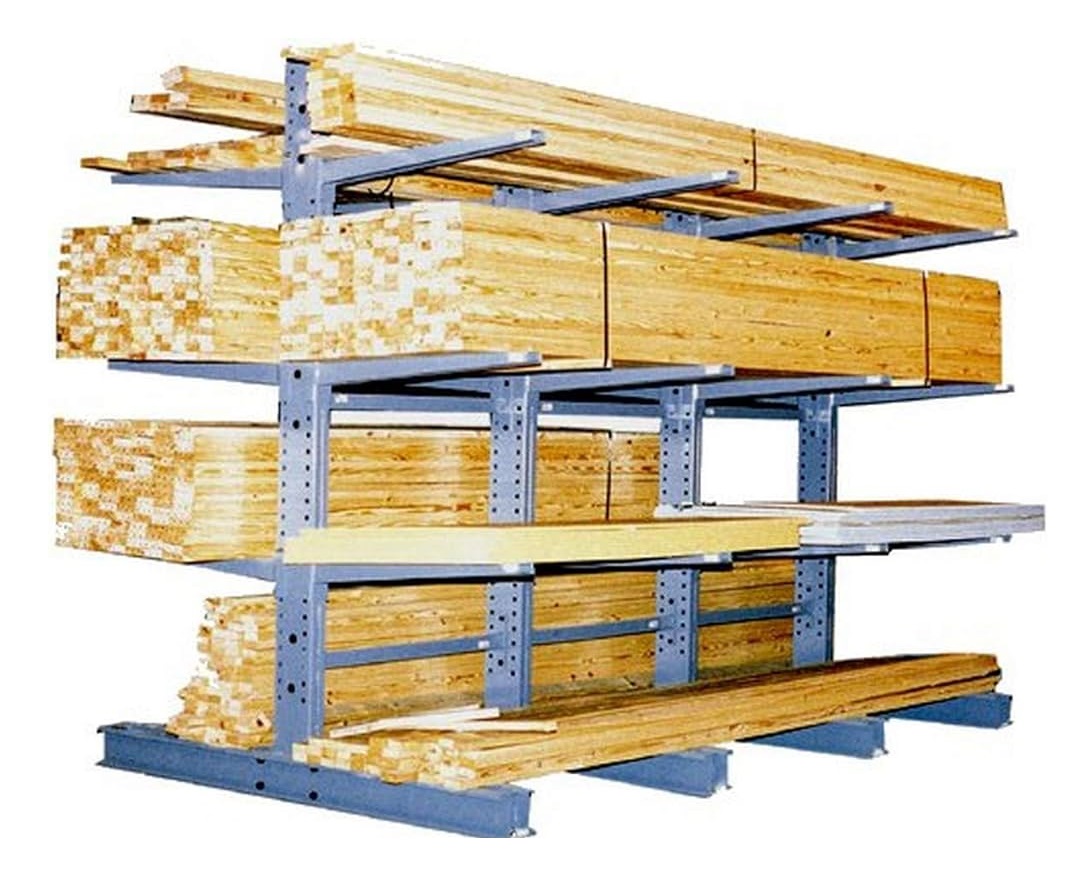
The most common application for these racks is the storage of long, heavy materials such as lumber, steel tubing, and PVC piping. In traditional shelving, these items would have to be threaded into narrow openings, which increases the risk of product damage and equipment impact. Cantilever systems allow forklifts to place long loads directly onto the arms from the front, significantly reducing handling time and improving the safety of the material transfer.
In the automotive and manufacturing sectors, cantilever racks are frequently applied to store specialized items such as bar stock, sheet metal, and large engine components. Because the arms can be adjusted to different heights and weight capacities, the racks can be customized to support high-density steel or lighter aluminum extrusions within the same bay. This versatility makes them essential for maintenance shops and production lines that manage diverse material profiles.
Showing all 9 resultsSorted by latest
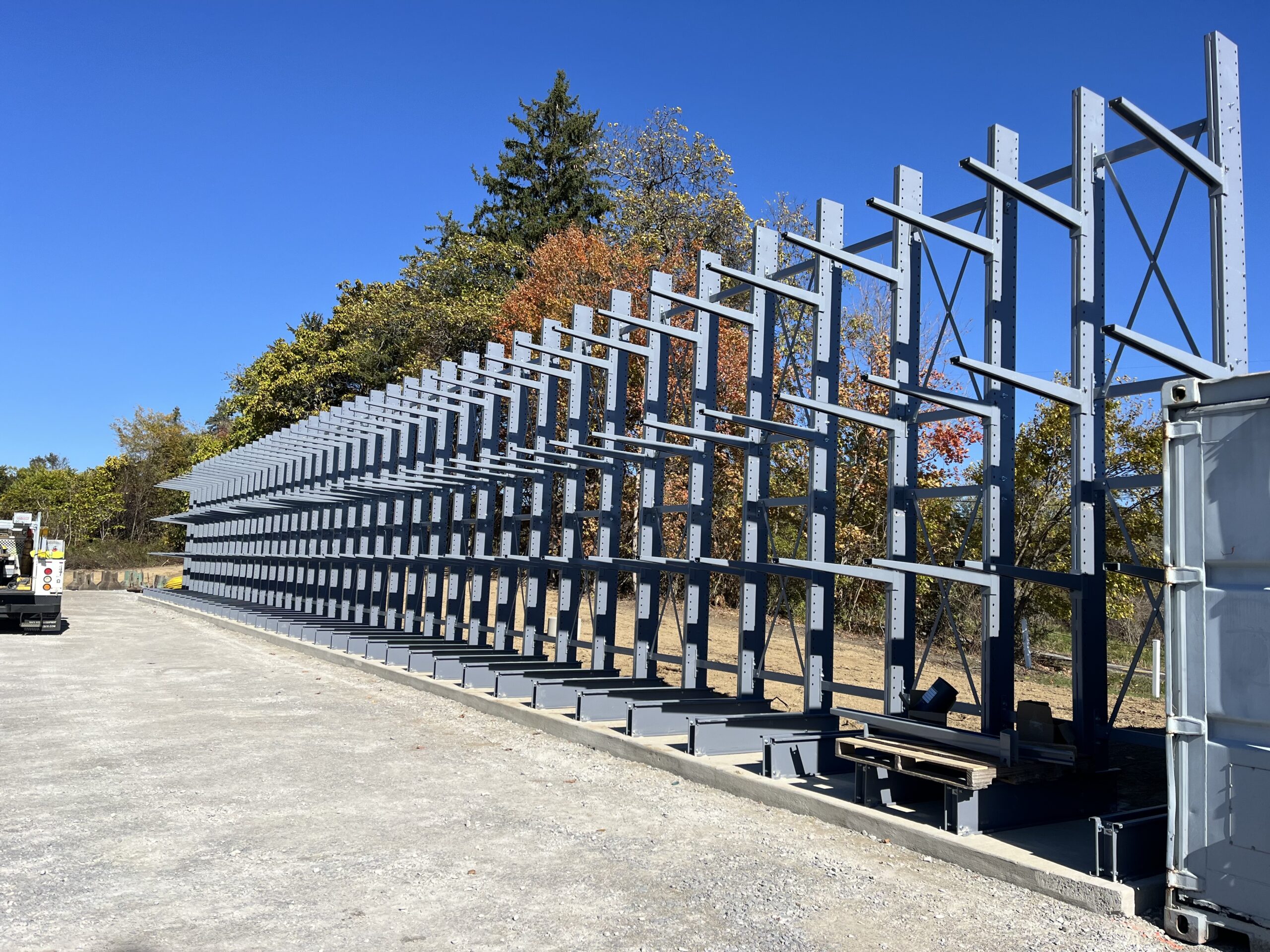
Cantilever Rack For Outdoor Pipe Storage Rack System
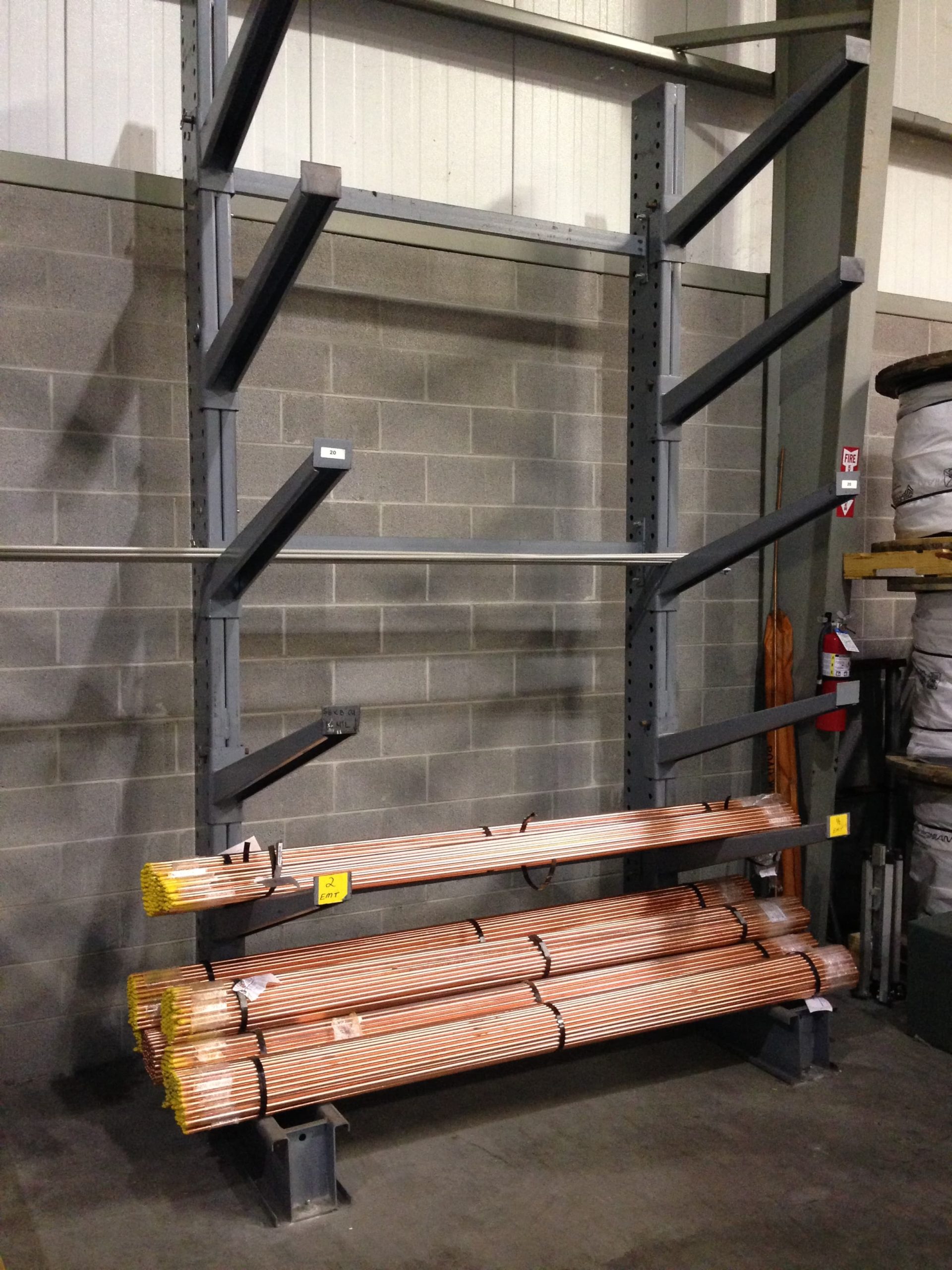
Cantilever Rack with Inclined Arms for Round PVC Pipe, Steel Bar & Wood Pole Storage
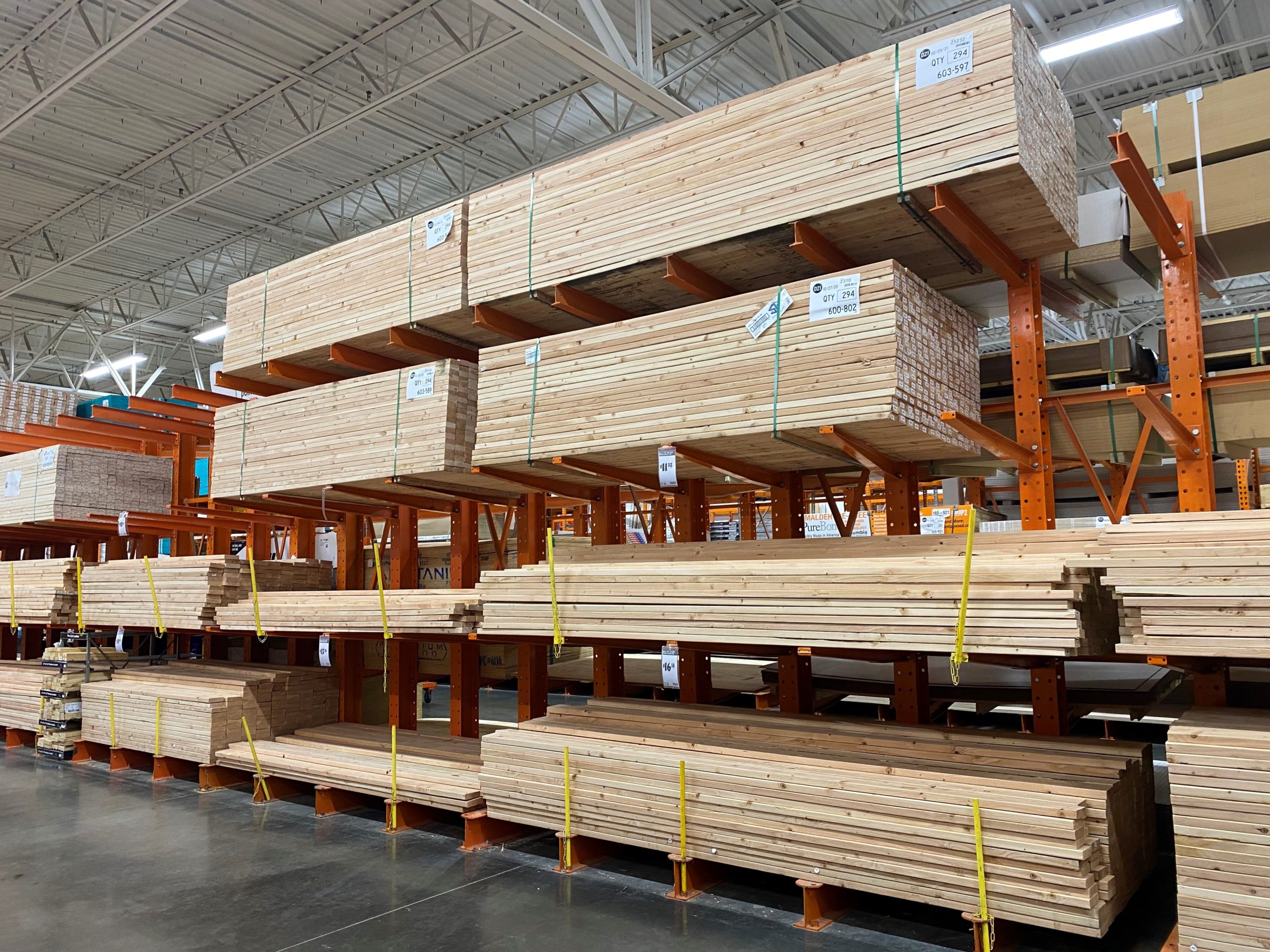
Cantilever Racks for Storing Lumber, Plywood & Drywall Sheets
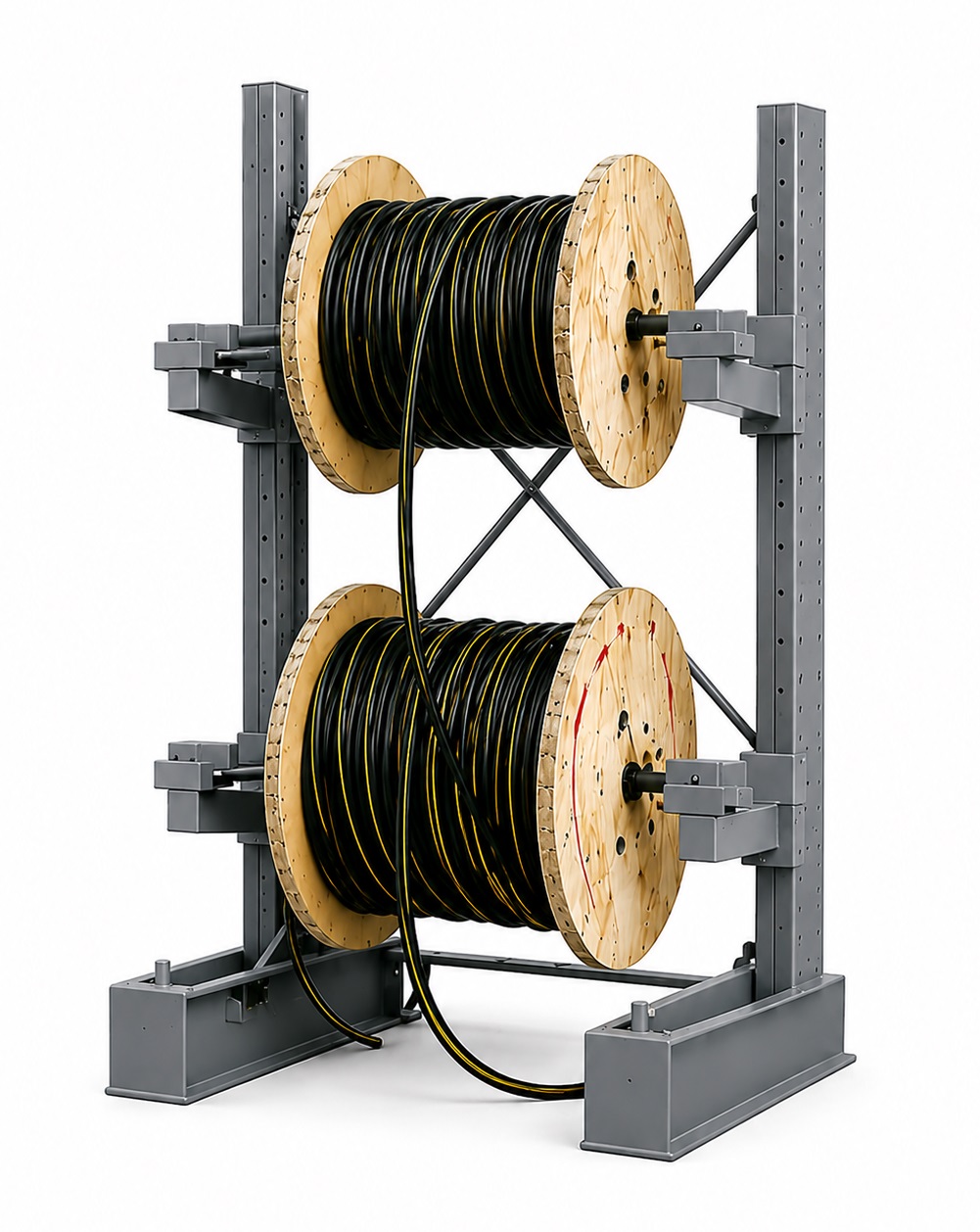
Cantilever Reel Storage Racks
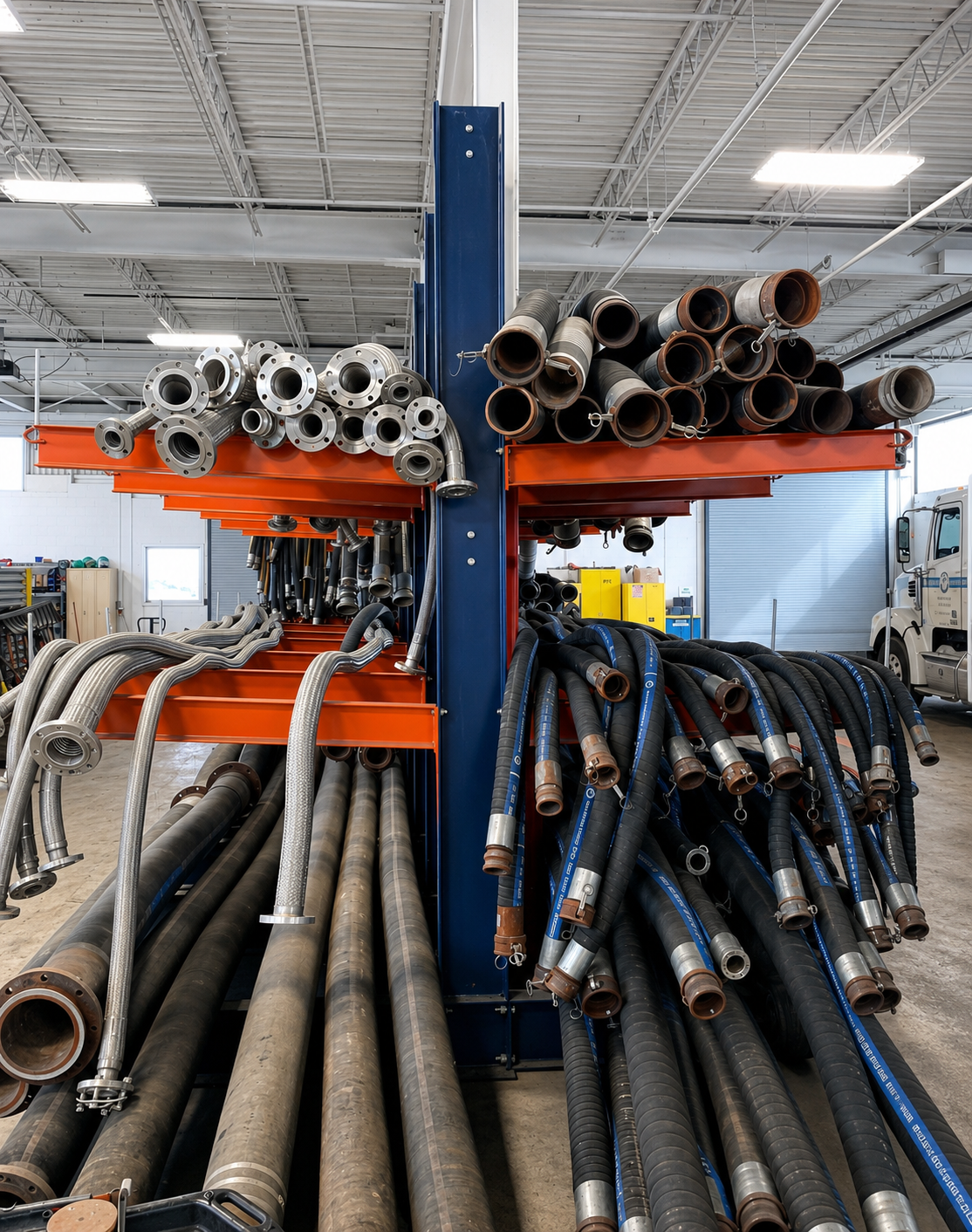
Cantilever Industrial Hose Storage Racks
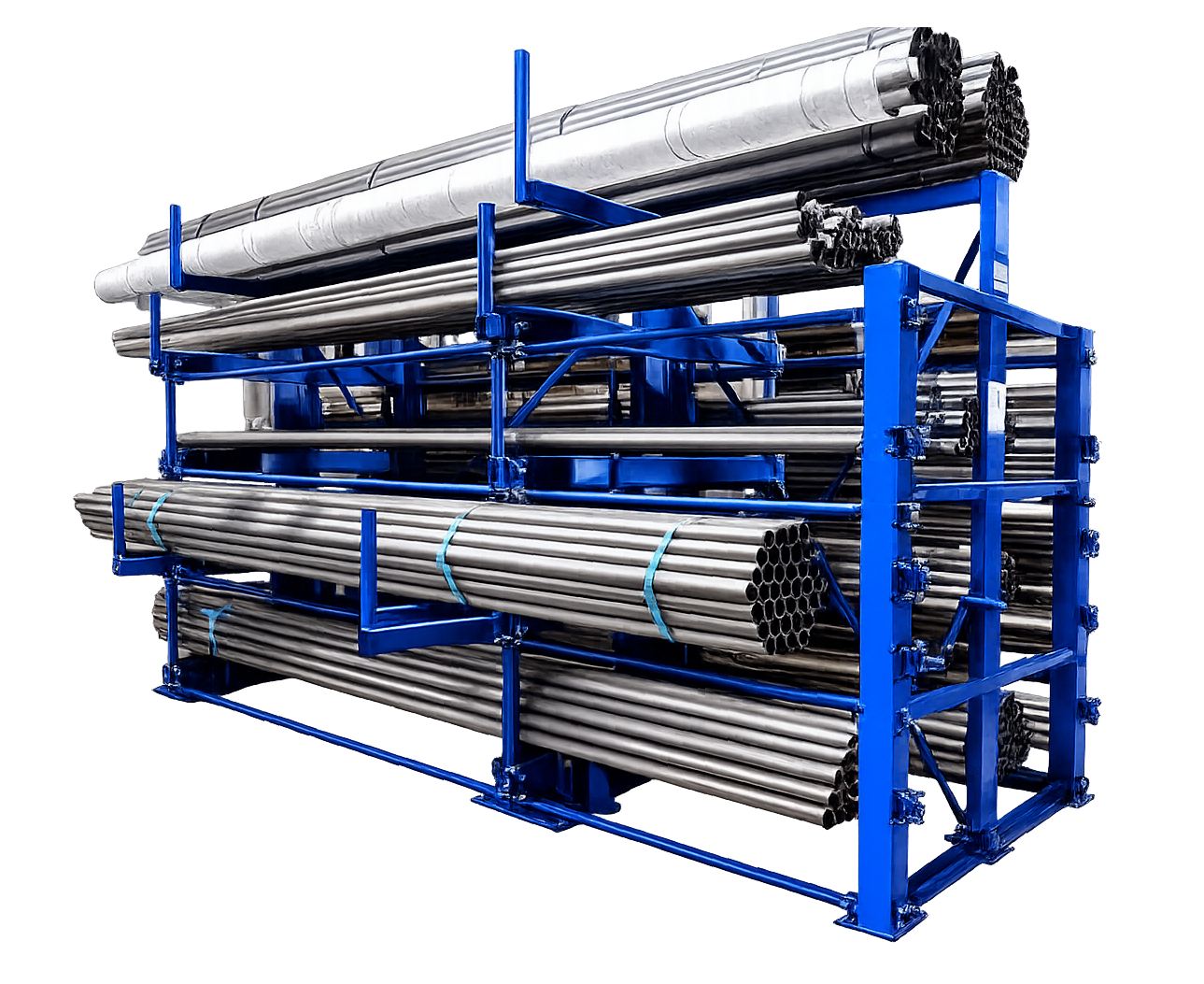
Roll Out Cantilever Rack for Overhead Crane offers Aisle Space Savings
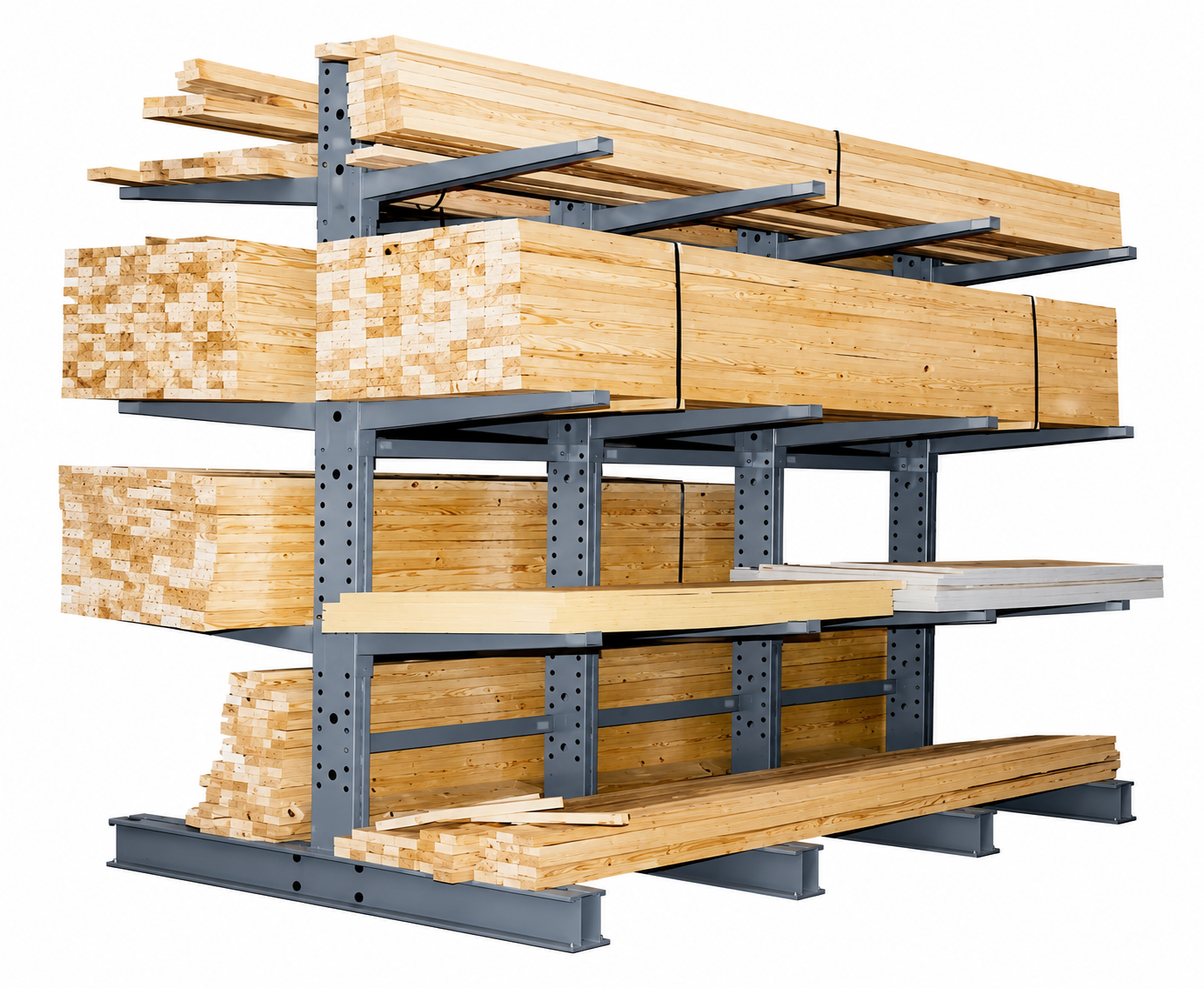
Cantilever Lumber Rack
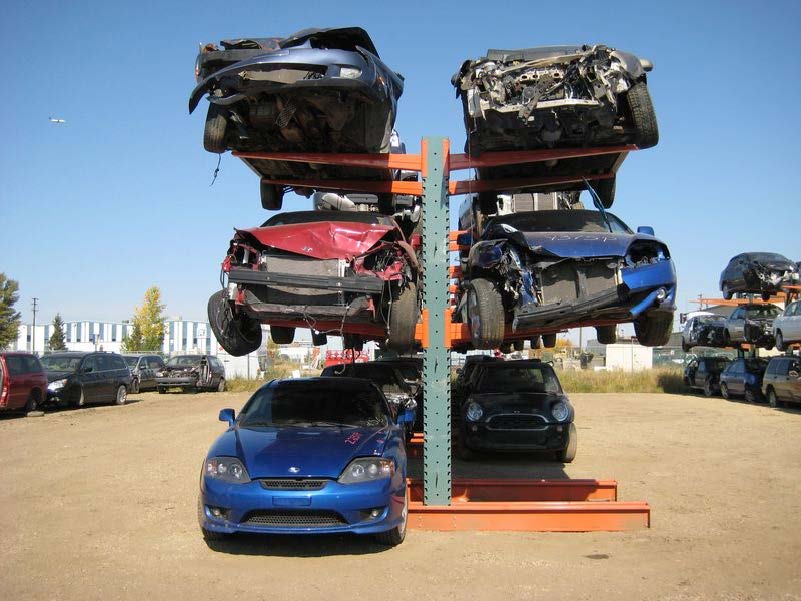
Heavy Duty Structural I-Beam Cantilever Salvage Yard Racks
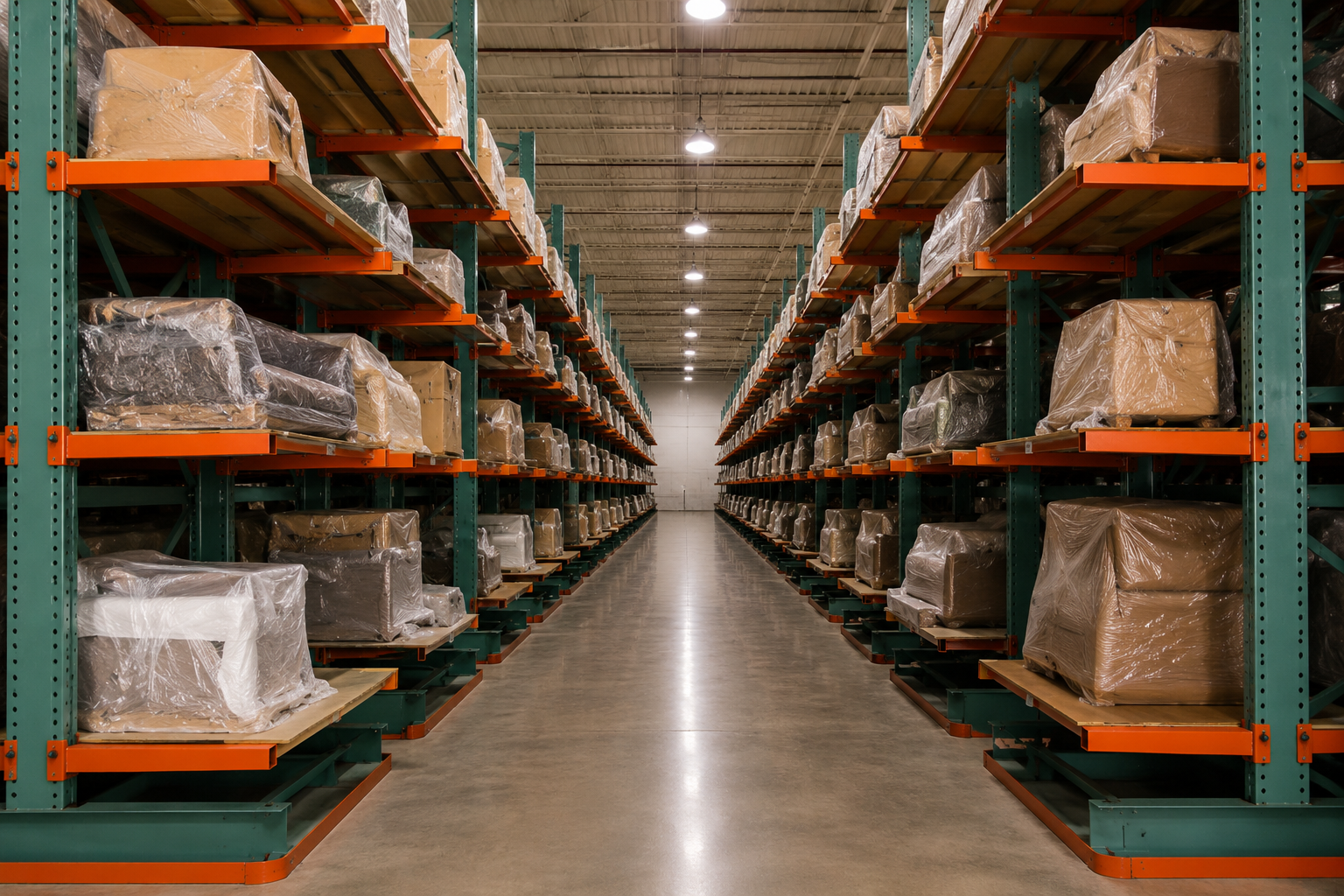
Furniture Cantilever Racks
Beyond raw materials, cantilever applications extend to retail and warehouse environments for storing furniture, appliances, and oversized crated goods. The lack of front columns provides an open-face display and retrieval area, which is ideal for bulky items such as sofas or carpets that require a wide footprint. By moving these large assets off the floor and into a structured vertical system, companies improve their floor space utilization and maintain a more organized, accessible inventory.




