Wire Container Custom Features
When a standard industrial basket isn’t enough, companies turn to wire containers with custom options. These are highly modified, industrial-grade steel mesh bins that incorporate specialized mechanical features, non-standard gates, custom mobility assets, or protective interior linings. Rather than just offering a generic space to dump bulk goods, these containers are engineered to transform a basic storage basket into a functional part of a manufacturing or distribution workflow. By tweaking the physical anatomy of the bin, you can add everything from heavy-duty casters and forklift stirrups to specialized locking lids and custom finishes.
The true beauty of adding custom options to a wire container lies in the reduction of product damage, especially for high-value or delicate components. Traditional metal-on-metal contact can scratch, dent, or ruin painted surfaces, machined parts, or sensitive electronics. To combat this, custom containers can be retrofitted with interior modifications like corrugated plastic liners, foam inserts, or custom textile dunnage that cradle each part individually. This targeted protection eliminates the need for disposable packaging materials such as bubble wrap or cardboard.
Efficiency also improves when you customize how a container moves and opens. Instead of relying strictly on traditional half-drop gates, custom options allow you to specify full-drop gates, side-access panels, or completely removable walls. This means that whether a container is buried at the bottom of a high-density stack or resting line-side on an assembly floor, workers can retrieve parts instantly without awkward stretching or straining. Also, adding heavy-duty locking casters turns a static storage bin into a mobile work cart, allowing operators to easily wheel materials between work cells without waiting for a forklift driver.
Showing all 14 resultsSorted by latest
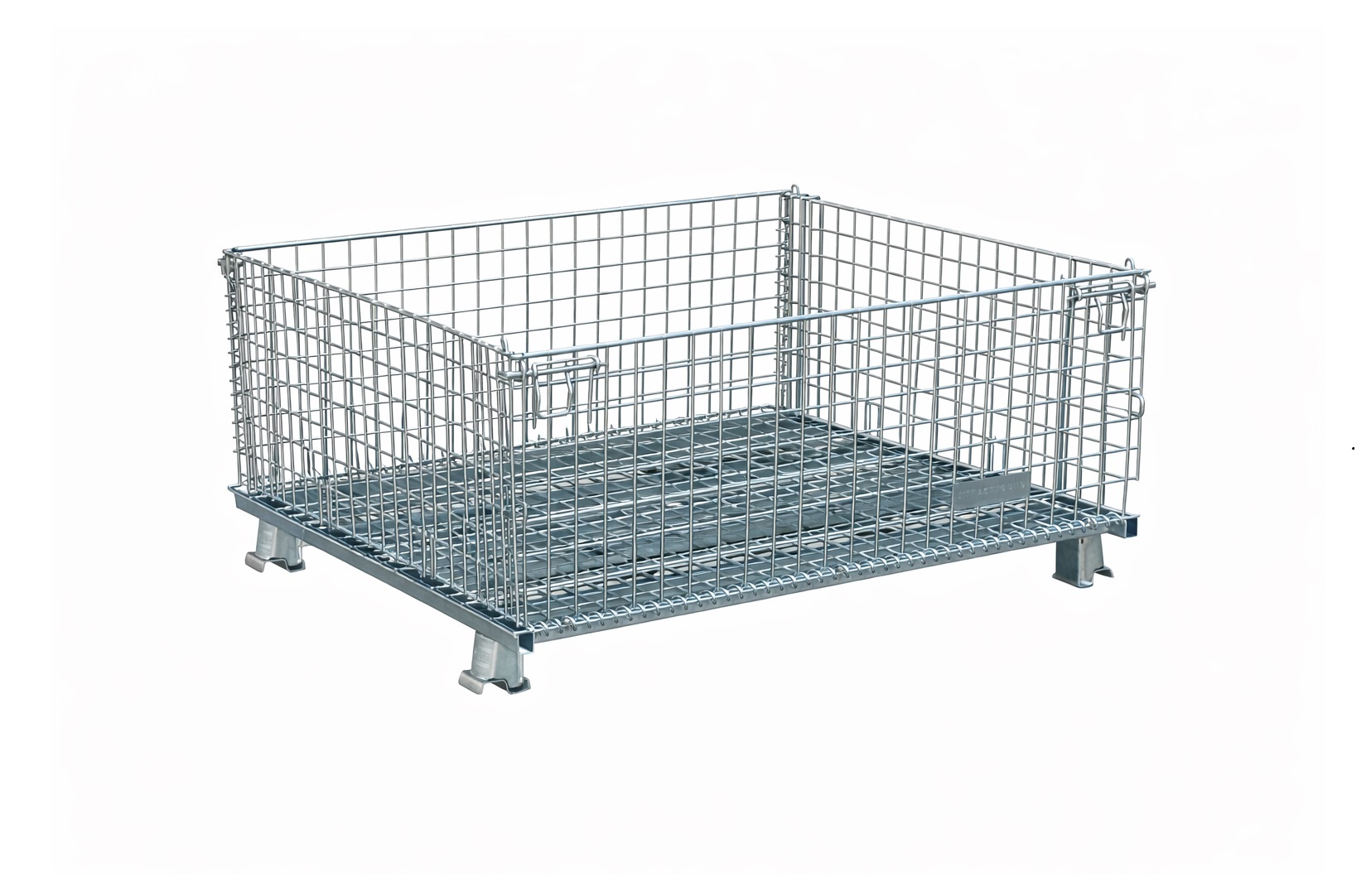
Custom Wire Container Sizes (8)
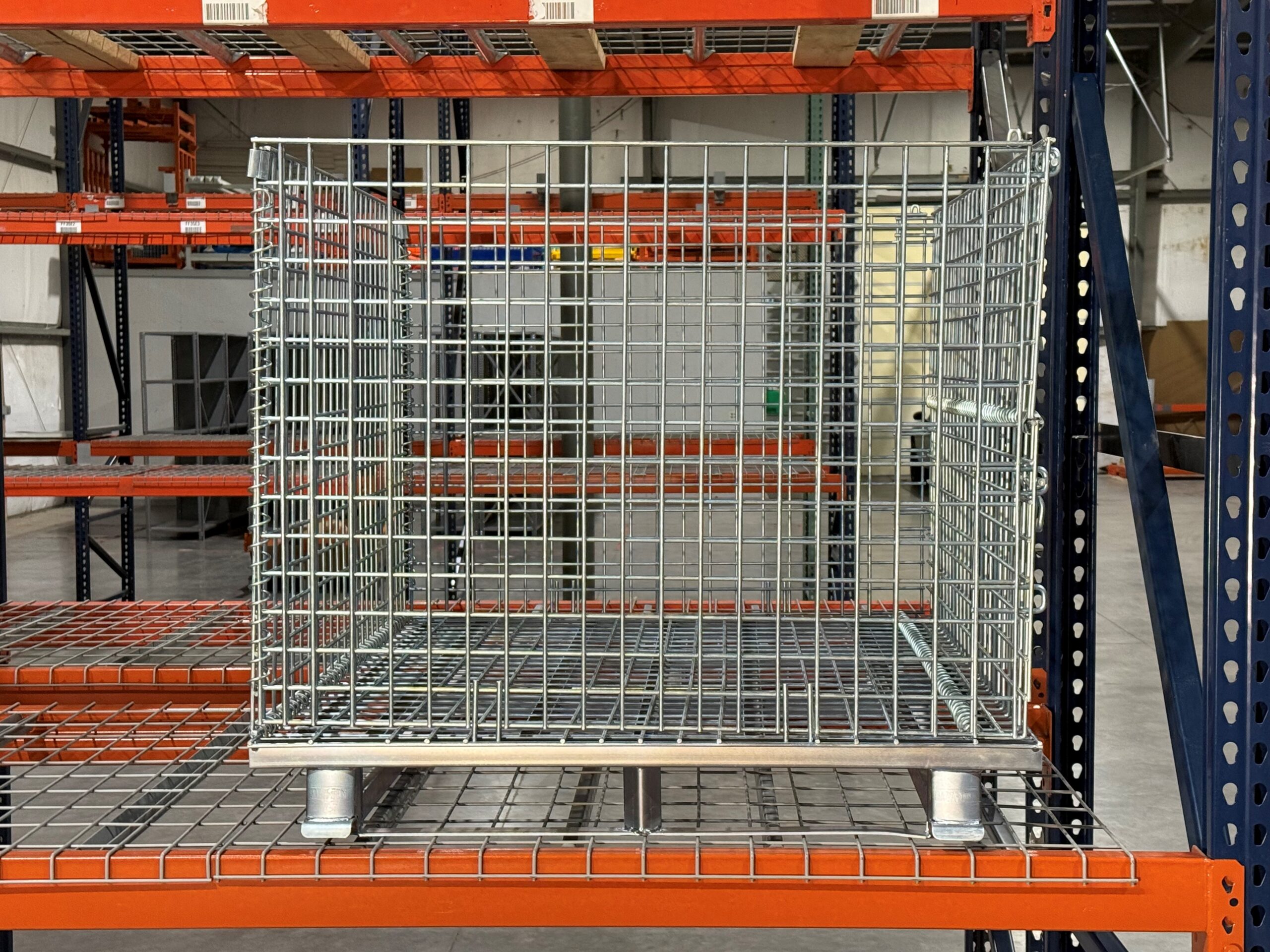
Wire Container with Flat Steel Runners
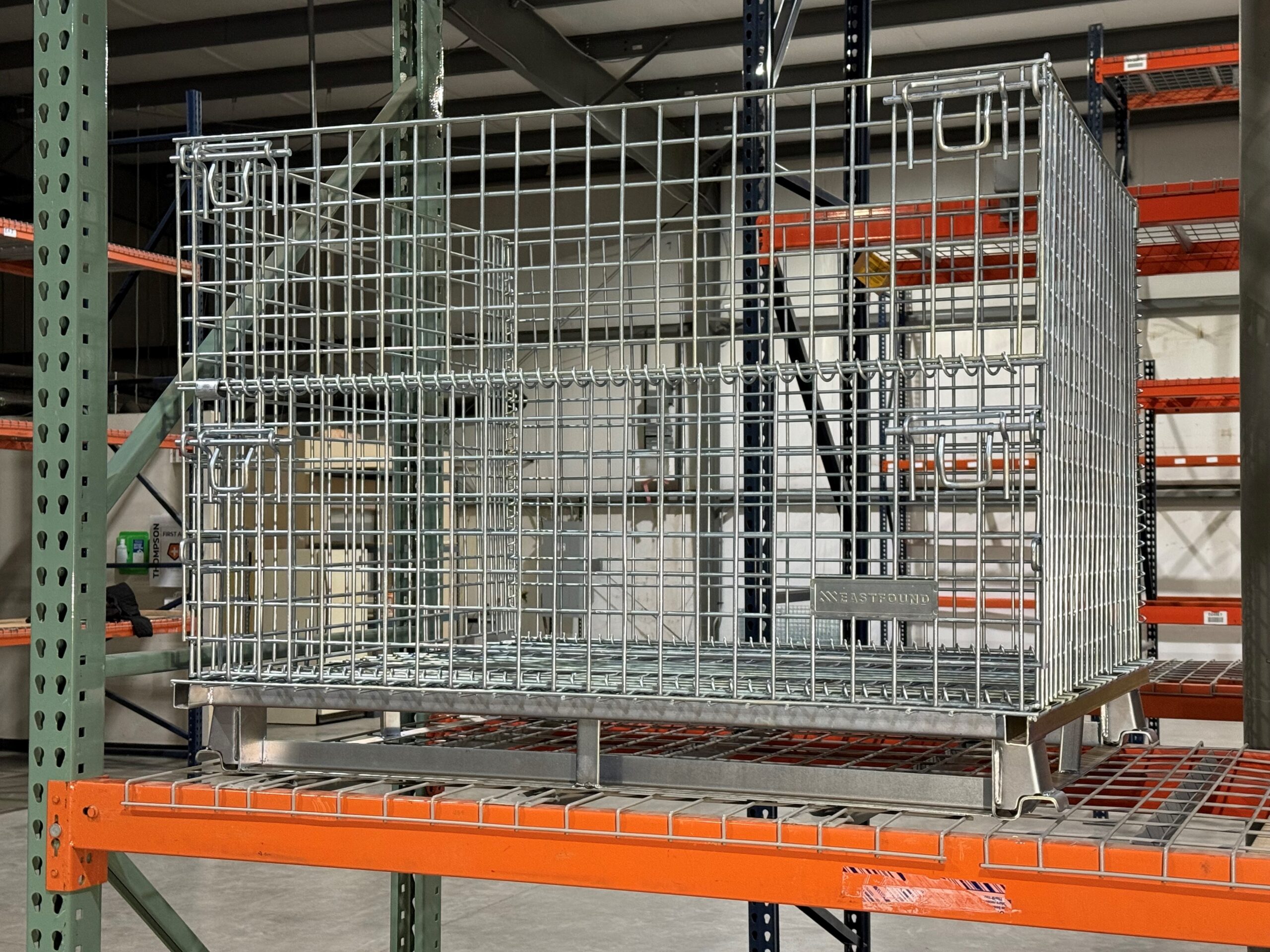
Wire Container with Steel Angle Runners
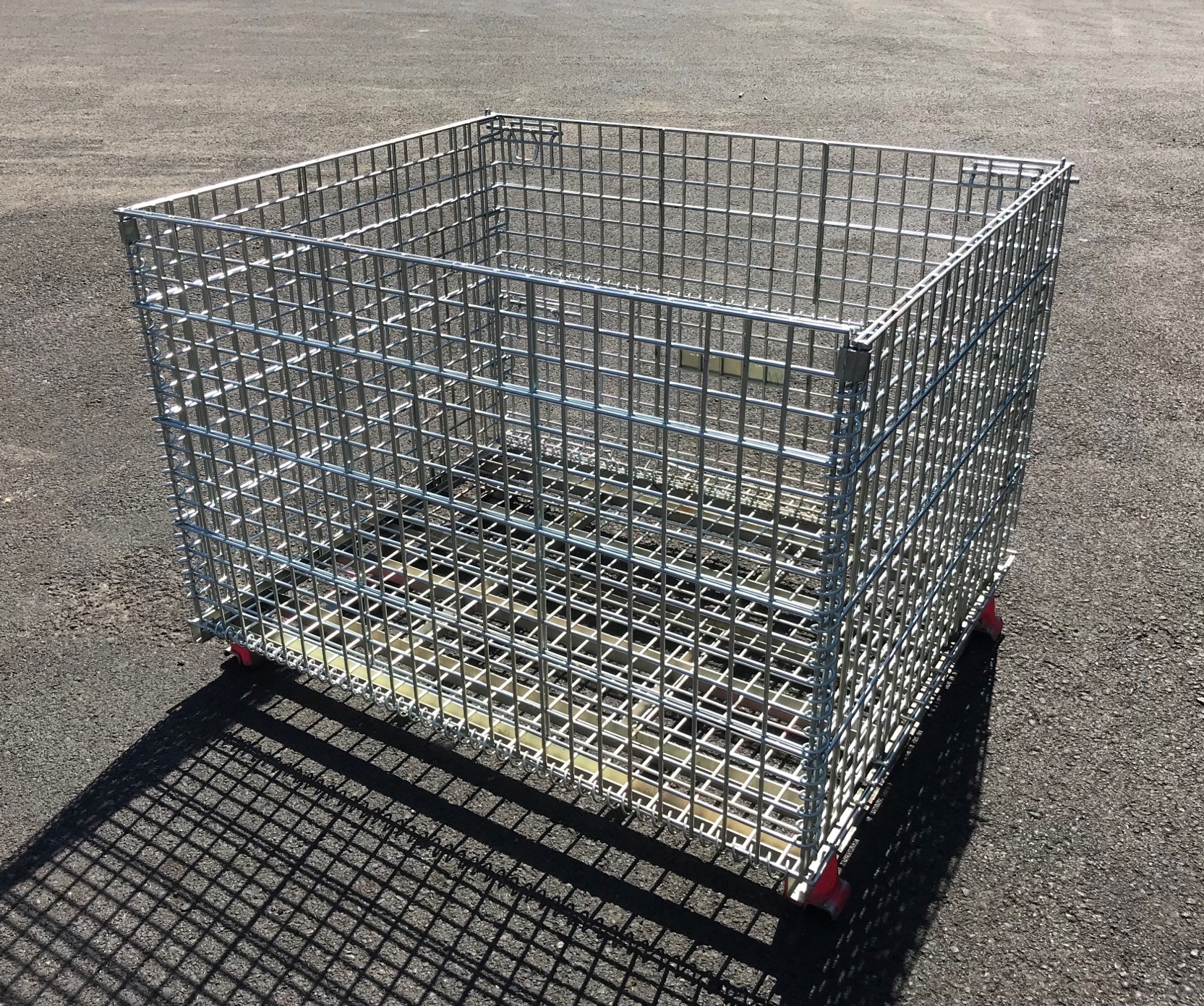
Custom Heavy Duty Collapsible Wire Containers
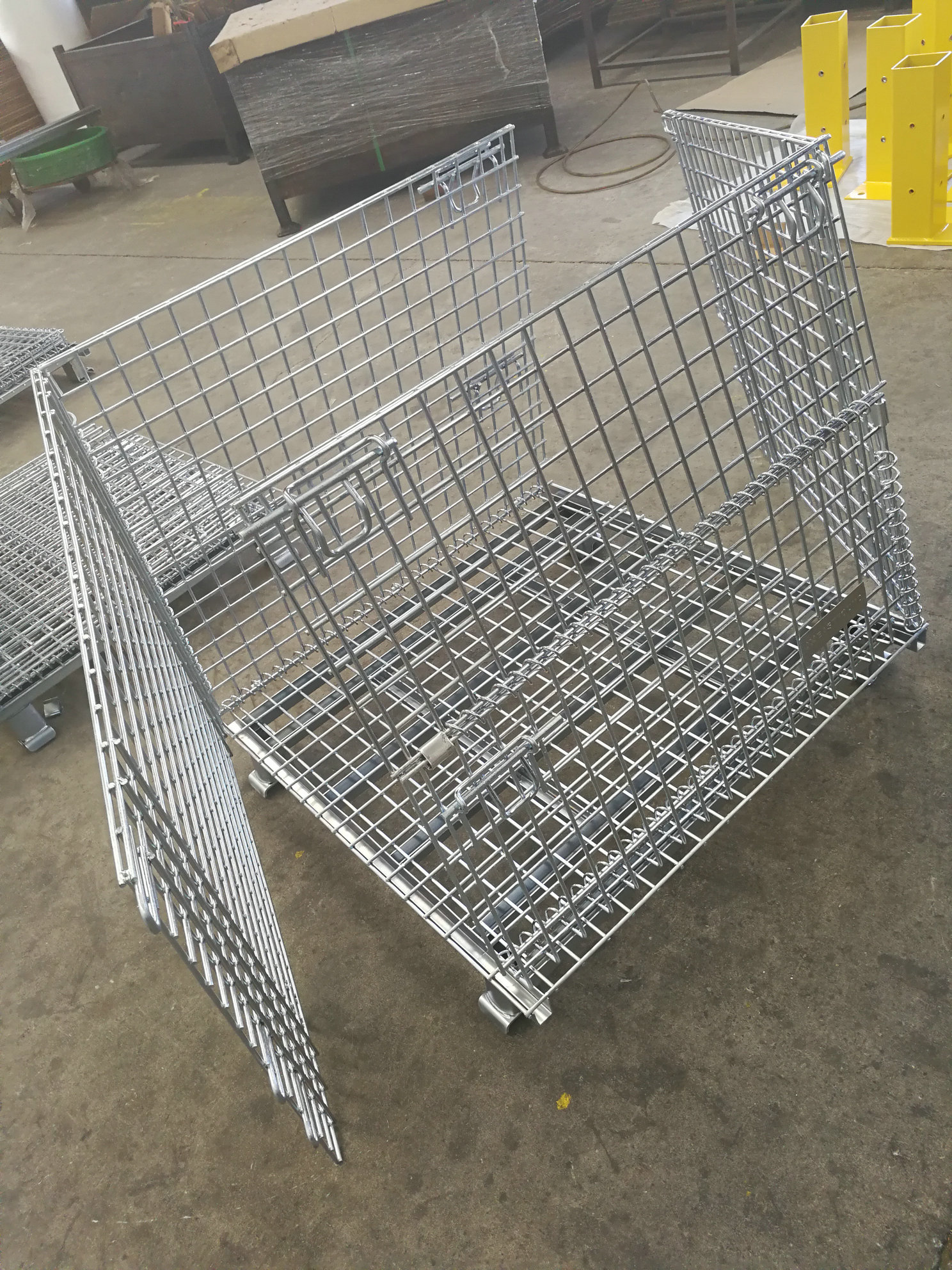
Wire Container with Swing Gate
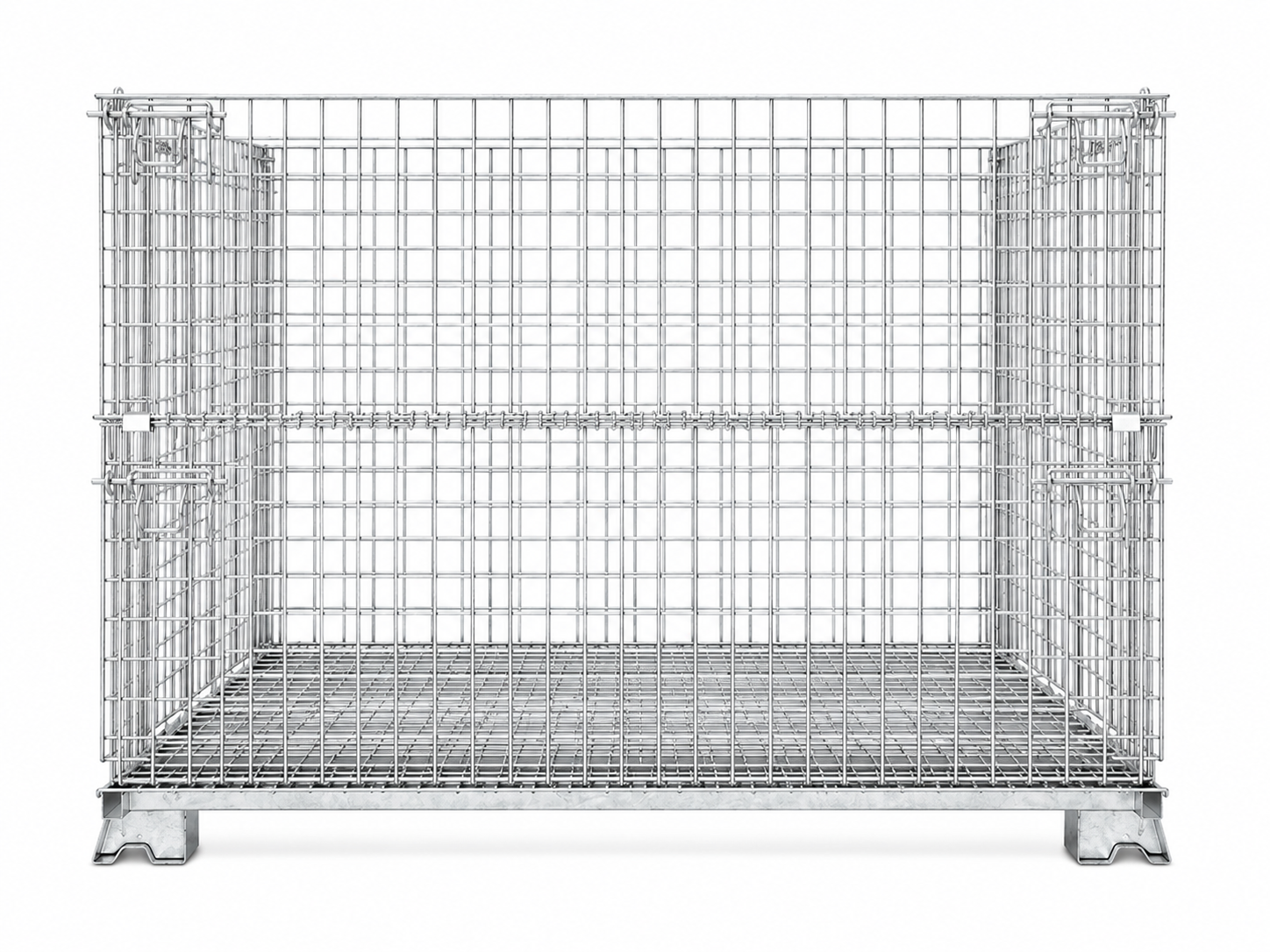
Wire Container with Hot Dipped Galvanized Finish
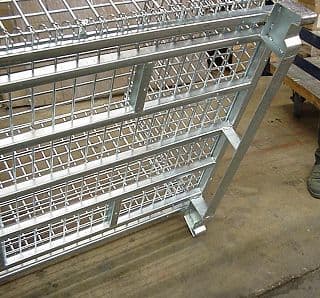
2 Way Steel Runners for Wire Containers
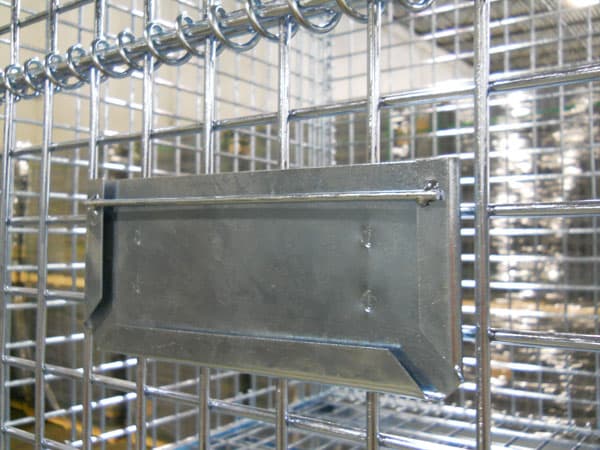
Wire Container with Card Holder

4 Way Steel Runners for Wire Containers
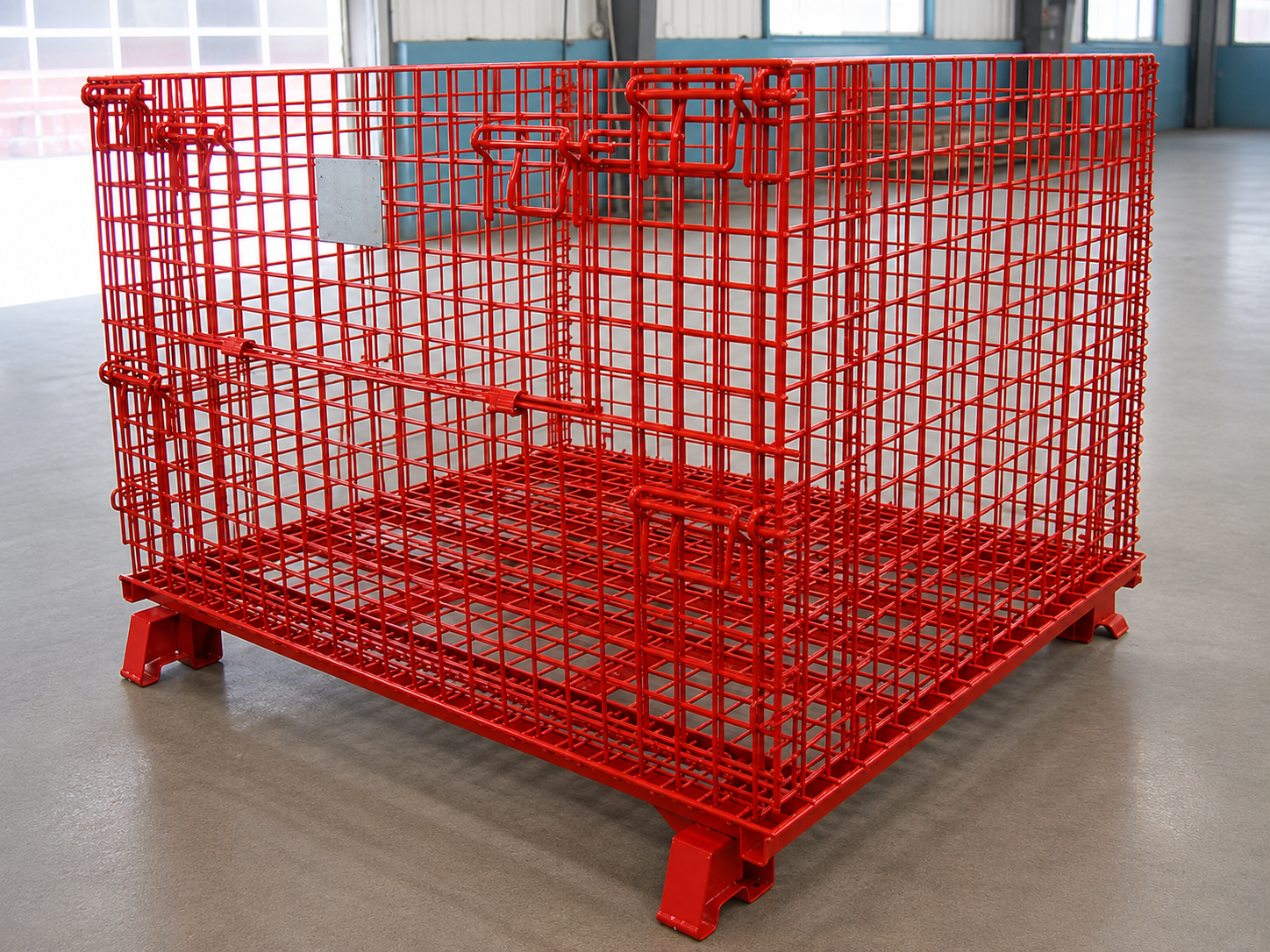
Wire Container with Custom Paint Colors
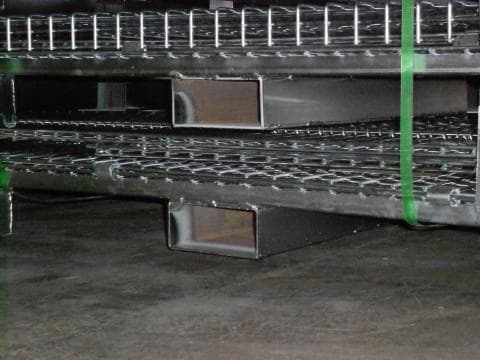
Fork Pockets Fork Tunnels For Wire Containers
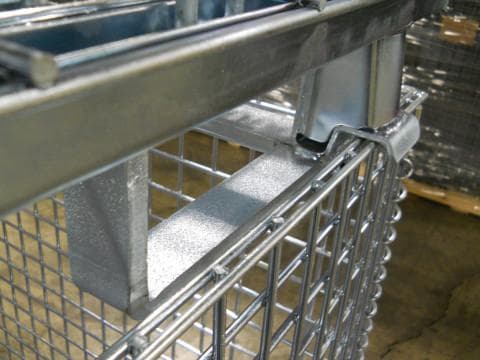
Fork Stirrups for Wire Containers
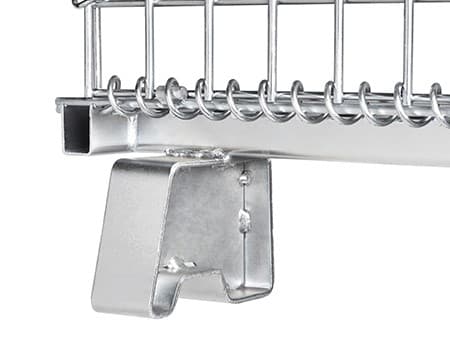
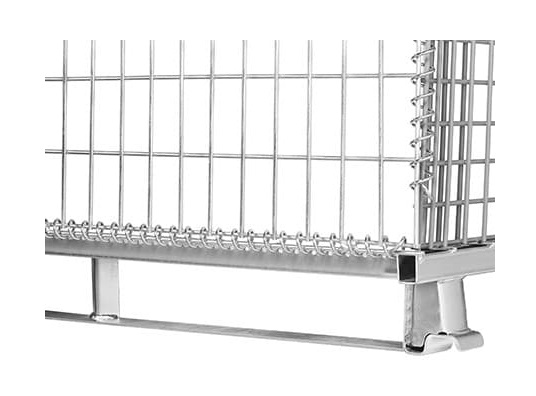
Heavy Duty Feet for Wire Containers
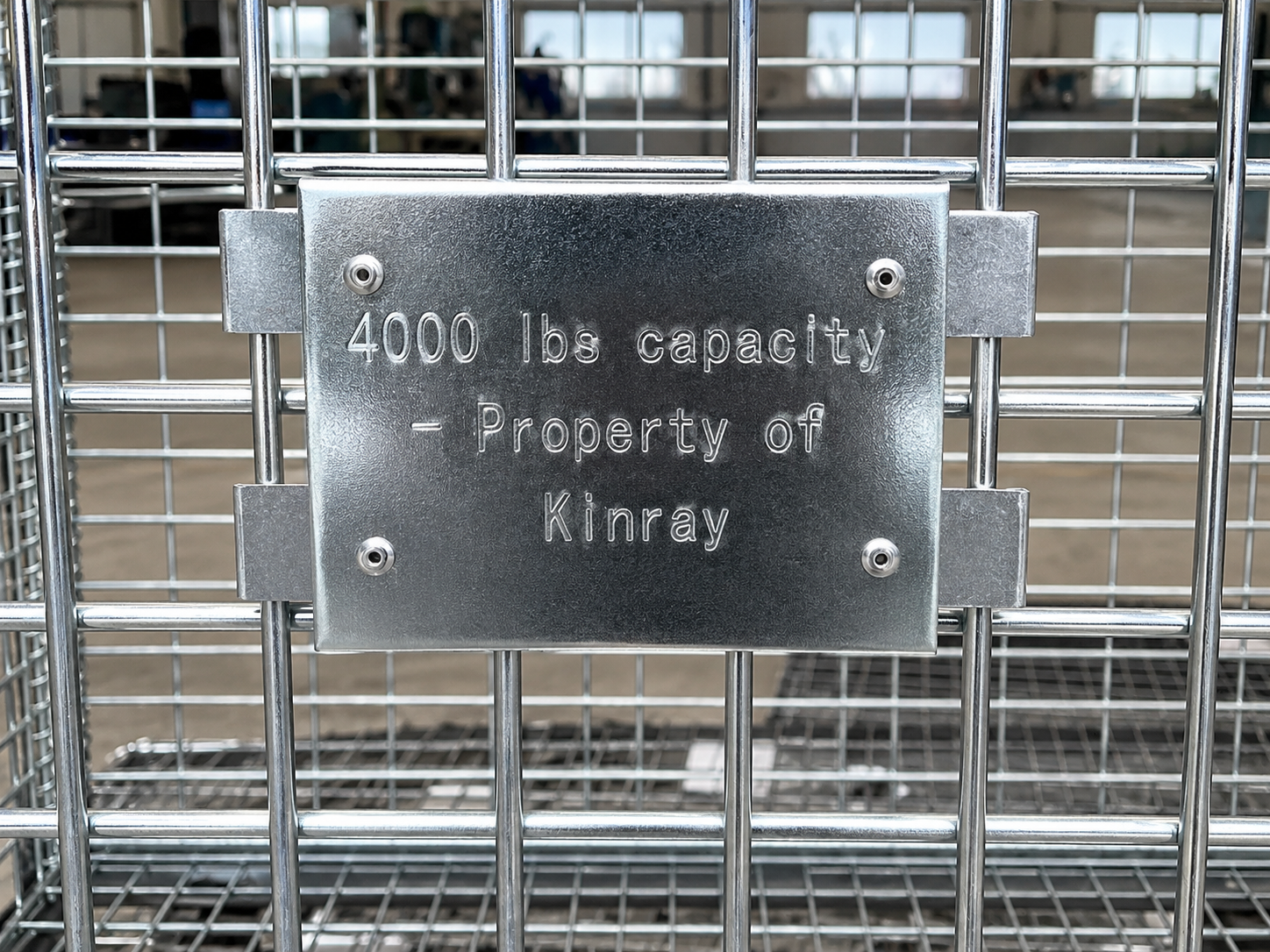
Blank or Engraved Metal Label Placard for Wire Containers
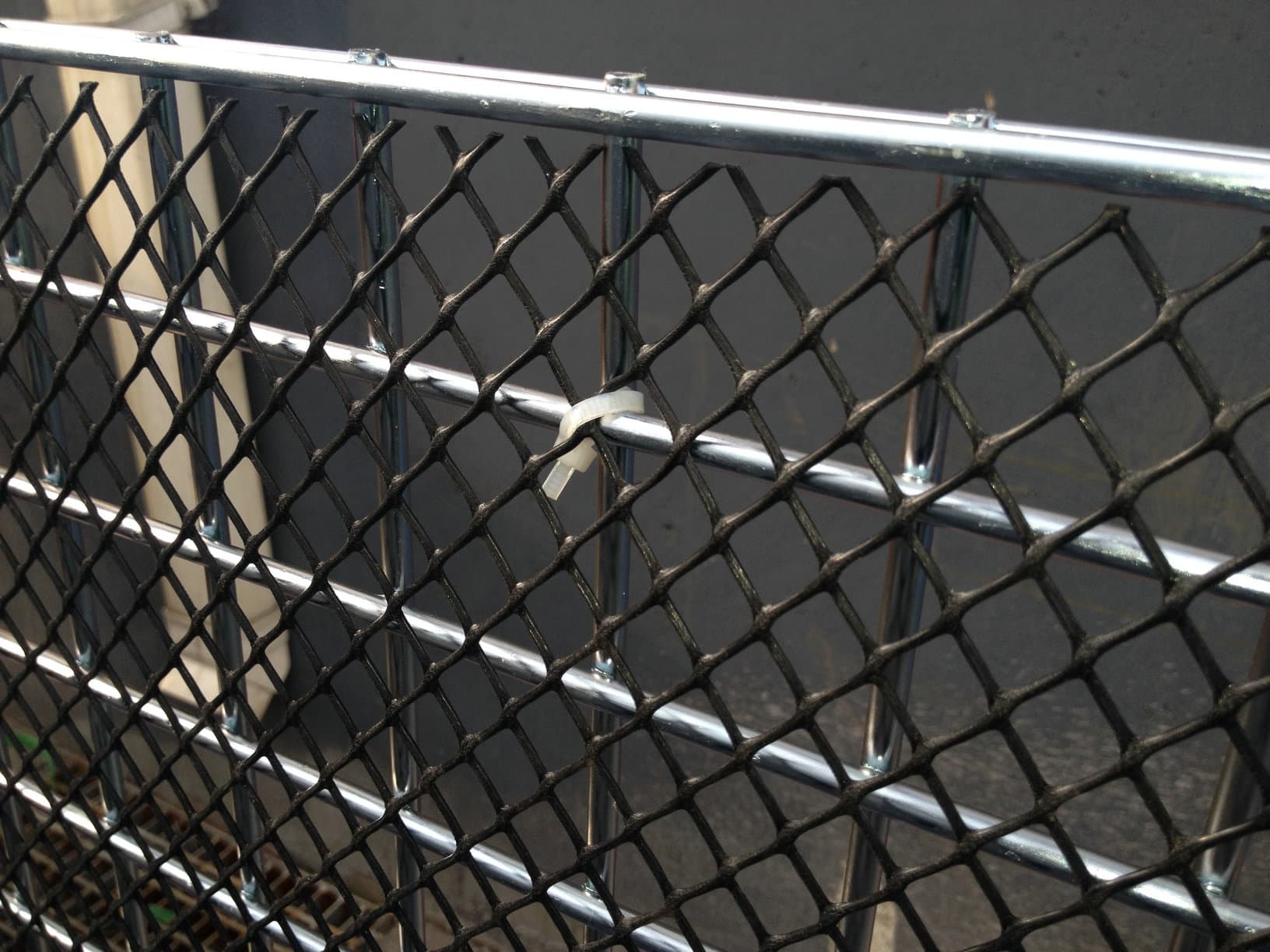
Plastic Mesh Liners or Inserts for Wire Containers
From an infrastructure perspective, custom attachments allow these containers to integrate flawlessly with advanced warehouse technology. For facilities using overhead crane hoists, adding specialized crane lifting eyes ensures safe vertical transport. If your warehouse relies on towing vehicles, integrating custom hitch and tow assemblies allows you to chain multiple containers together to form a tugger train. You can even spec out the containers with custom security features, such as lockable lids to protect high-theft inventory, or specific powder-coated color finishes to instantly identify different stages of work-in-progress materials.
Opting for tailored modifications moves your material handling strategy away from passive storage and toward optimized throughput. While standard bins force your team to adapt to the limitations of the steel box, a container built with custom options adapts entirely to your human operators and automated machinery. It is an investment that pays dividends by maximizing vertical floor space safety and creating a more fluid supply chain from the manufacturing floor to the final destination.
Get a Quote Today
Investing in the right storage solution is an investment in the efficiency, safety, and profitability of your business. With our extensive experience, engineering expertise, and commitment to trustworthiness, we are confident we can provide a custom wire container solution that exceeds your expectations.
Call us at 800-763-9020 or e-mail us at sales@rackandshelf.com to discuss your requirement.




