Automotive Rigid Wire Containers
Automotive manufacturing depends on consistency. Every day, millions of parts move from stamping plants and Tier-1 suppliers to assembly facilities on schedules measured in minutes, not days. The containers carrying those parts need to fit the same racks, conveyors, forklifts, and automated handling systems every time. There’s little room for variation.
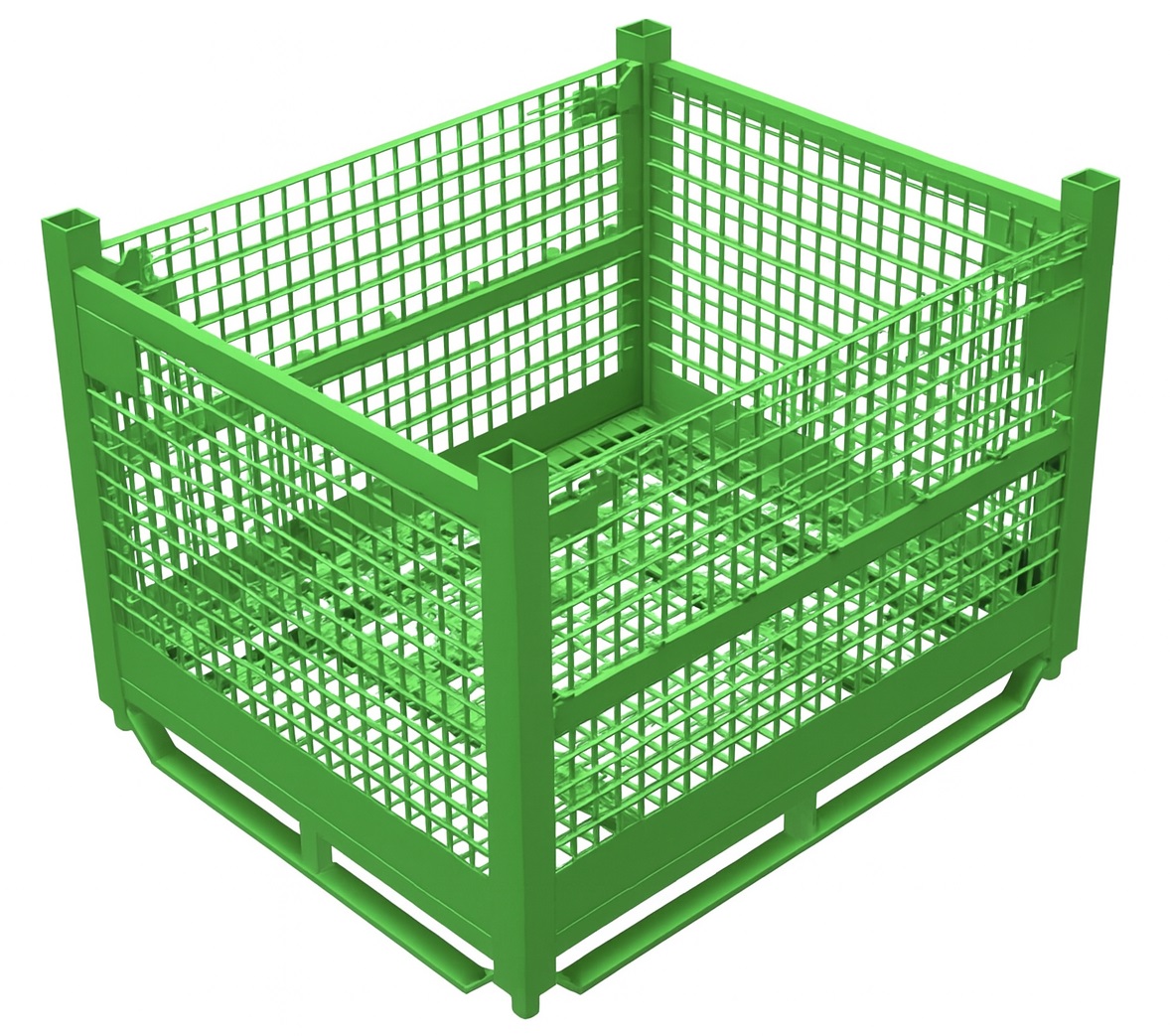
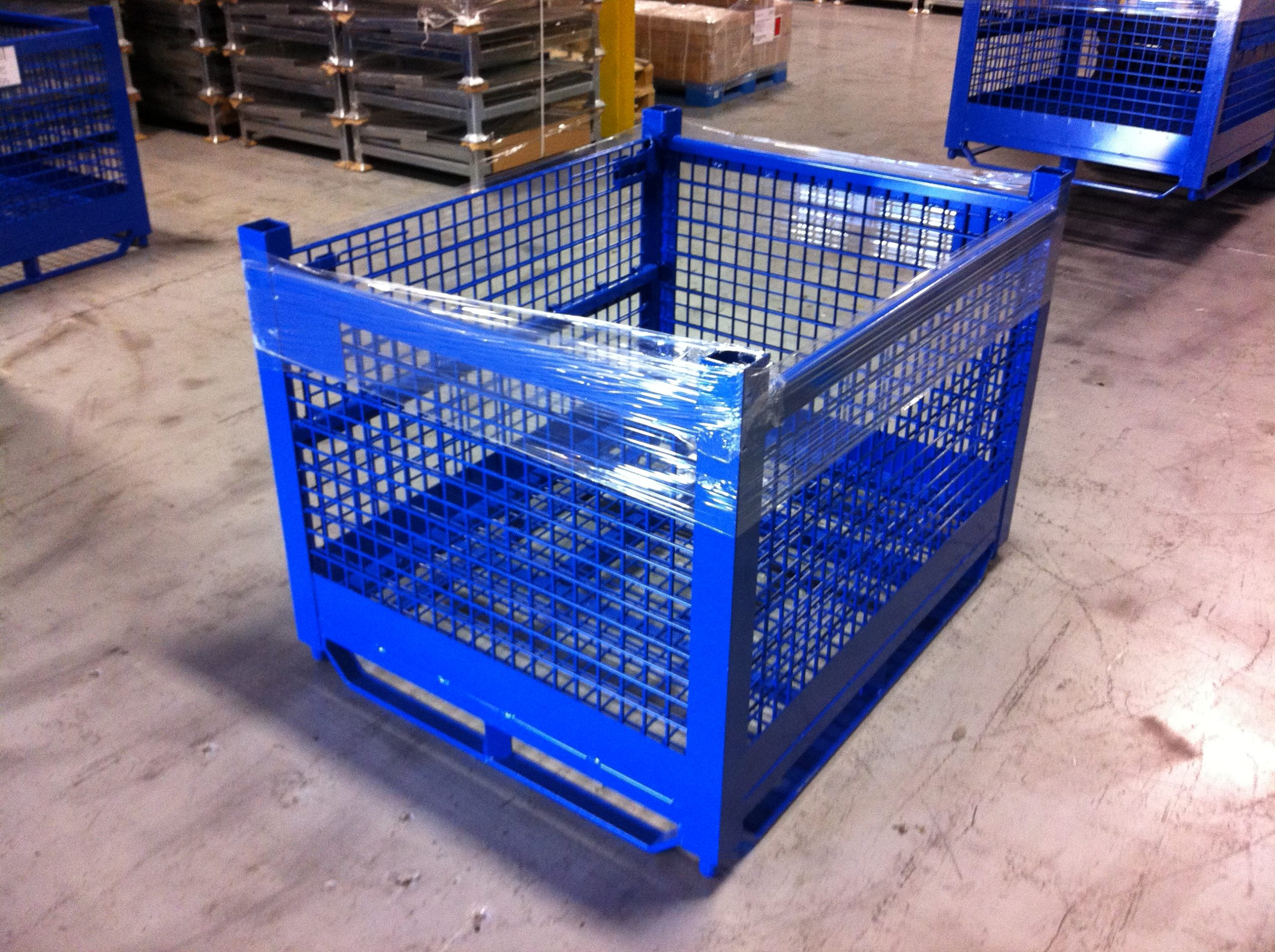
Automotive wire containers are open-mesh steel bulk containers built to the dimensional, structural, and load specifications established by individual vehicle manufacturers. Standardized footprints allow parts to move through supplier facilities, distribution centers, and assembly plants without repacking, handling delays, or compatibility problems. The open-wire design also gives workers immediate visibility into container contents, making inventory verification and production staging faster.
Showing all 5 resultsSorted by latest
GM 5131 Rigid Wire Baskets & Bins
Automotive Containers, Baskets & Bins
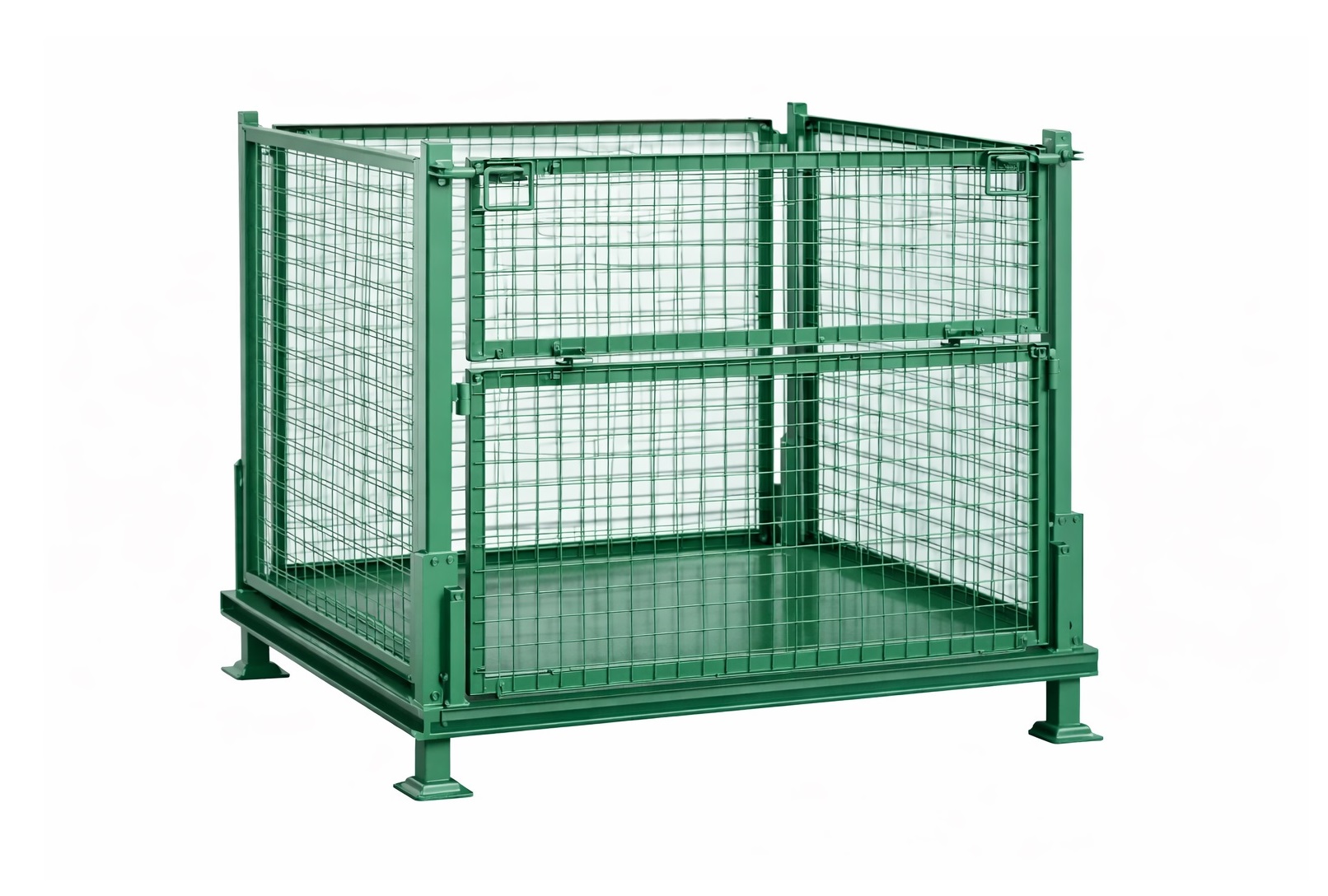
Daimler Compatible Collapsible Wire Containers
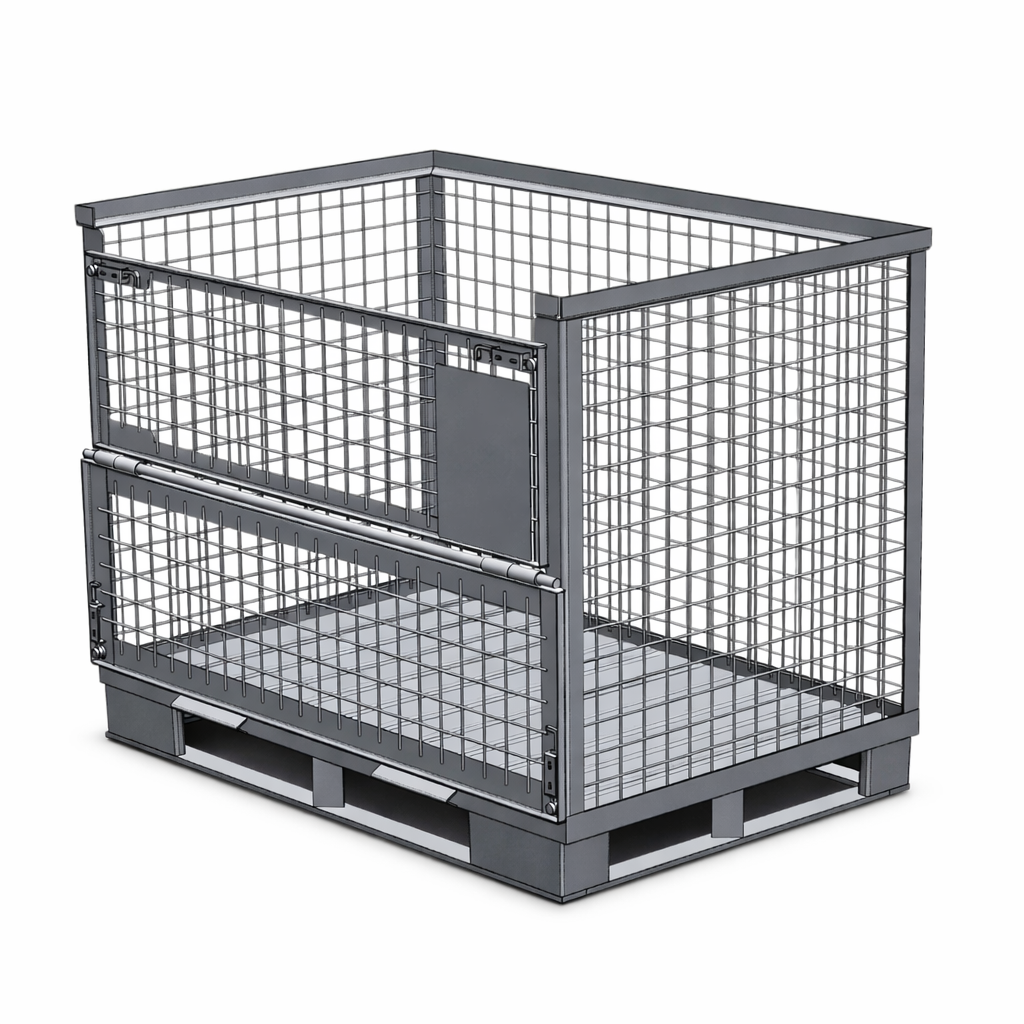
Gitterboxes | Wire Mesh Transport Containers
FORD ZE-13, ZE 11, ZE-21 Rigid Wire Mesh Baskets, Bins & Containers
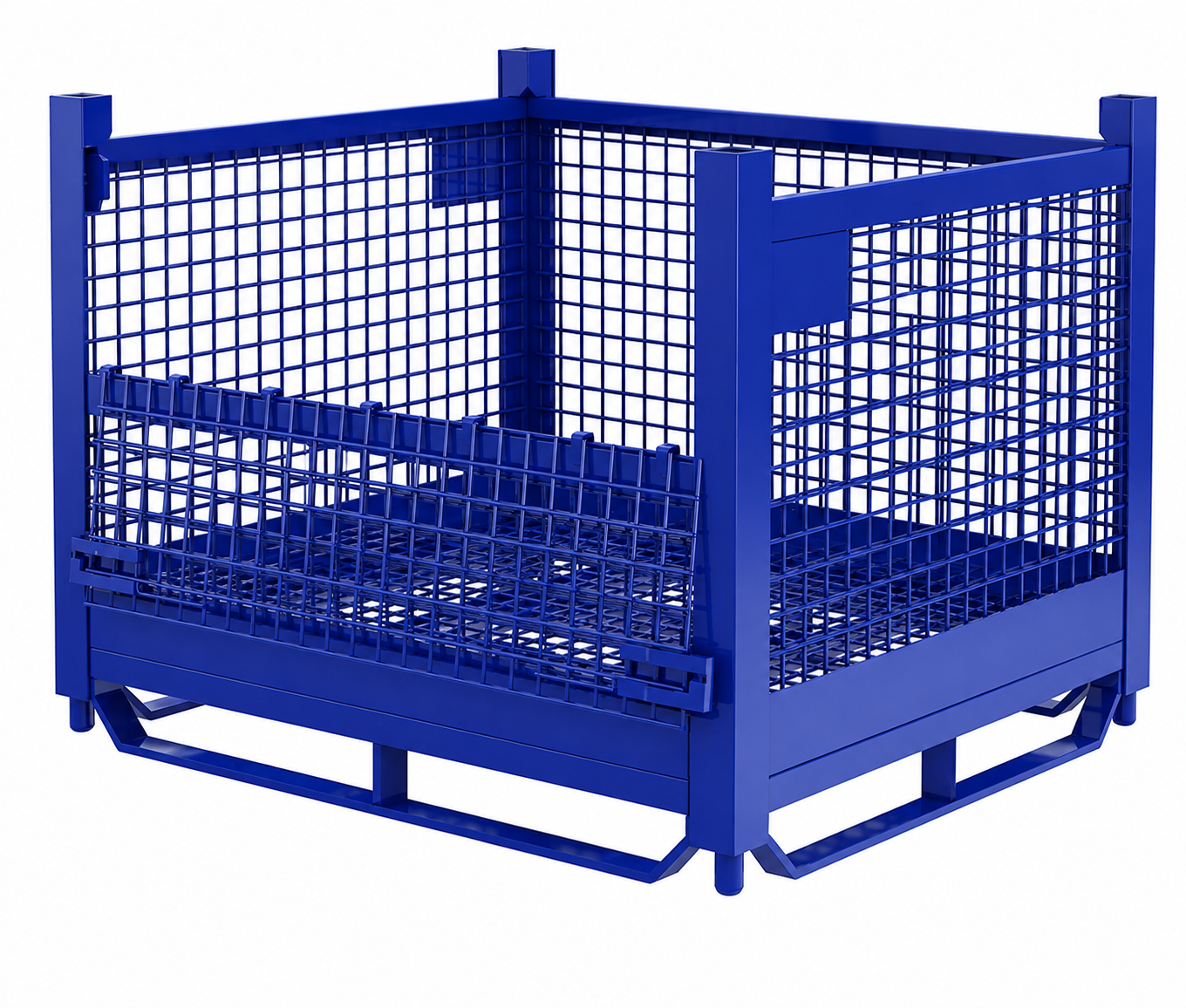
The GM 5131 specification has been a standard throughout General Motors’ supply chain for decades. These rigid wire containers are manufactured to GM’s required dimensions and load capacities, so they integrate directly with the company’s storage systems, material handling equipment, and production processes.
Standardization matters. A supplier in one state and an assembly plant hundreds of miles away expect the same container to perform the same way. GM 5131 containers stack consistently, support repeatable handling, and withstand years of use in closed-loop shipping systems. For suppliers serving multiple GM facilities, using the correct specification helps eliminate receiving issues.
Daimler Compatible Collapsible Wire Containers
Not every container returns full. Once parts are unloaded, empty containers need to make the trip back to suppliers for another production cycle.
Daimler compatible containers solve that problem by folding flat for return shipment. Their collapsible design allows significantly more empty containers to fit on a trailer than rigid ones. This reduces freight costs, which makes return logistics easier. They still meet Daimler’s dimensional and load requirements while lowering the cost of moving empty equipment through the supply chain.
Ford ZE-13, ZE-11, and ZE-21 Style Wire Mesh Baskets, Bins & Containers
Ford uses several standardized container styles to support different parts and production processes. The ZE-13, ZE-11, and ZE-21 wire containers are made to established specifications. This provides consistent compatibility with Ford’s racking systems, conveyors, and material handling equipment.
Using the correct ZE specification helps suppliers avoid receiving delays caused by incorrect dimensions or load capacities.
Heavy Duty Rigid Wire Containers
Not every automotive application requires an OEM-specific container. Foundries, machining operations, stamping plants, and component manufacturers frequently need heavy-duty containers that can withstand daily production without conforming to a manufacturer’s specs.
Heavy Duty Rigid Wire Containers are built for those environments. They handle dense metal components, tolerate repeated forklift handling, and can be stacked or crane lifted when required. The open-wire construction lets workers identify parts without opening the container.
What should you consider when creating an automotive wire container program?
Successful programs begin with standardization. Every supplier and receiving facility should use containers built to the same specifications so they move through the supply chain without interruption.
Container tracking is equally important. Recording location, condition, and service history helps reduce loss and simplifies fleet management across multiple facilities.
Return logistics deserve the same attention as outbound shipments. Setting up procedures for returning empty containers keeps them moving instead of piling up at supplier or assembly locations. Employees should be trained on proper loading, stacking, and forklift handling practices. Consistent handling extends container life and helps keep automotive production moving without unnecessary interruptions.




