Automotive Wire Containers
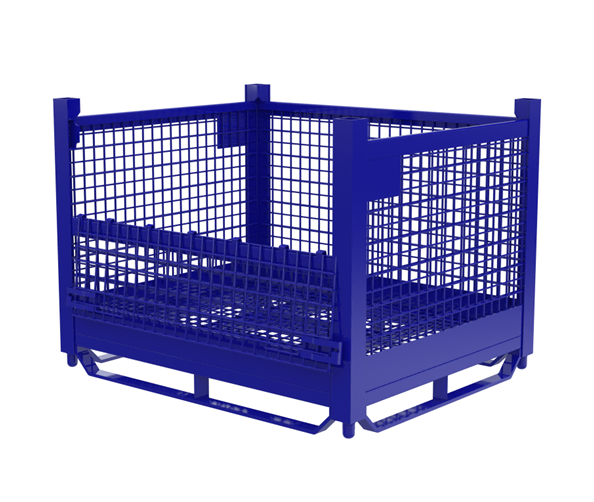
Automotive wire containers are open-mesh steel bulk storage systems manufactured to rigid dimensional, structural, and load specifications established by major motor vehicle original equipment manufacturers (OEMs). Engineered specifically for high-volume automotive assembly lines, stamping facilities, and Tier-1 supplier networks, these containers feature heavy-gauge wire mesh panels, reinforced channel bases, stackable corner posts, and drop-gate access points. They provide superior load capacities, total part visibility, and structural repeatability, allowing components to move seamlessly across supply chains without repacking. By standardizing footprints across logistics loops, these industrial baskets maximize trailer cubing during transit, protect high-value components from handling damage, and optimize vertical floor space through multi-high vertical stacking.
GM 5131 Rigid Wire Baskets & Bins
The GM 5131 specification represents a structural benchmark across General Motors’ global manufacturing and assembly network. Built with non-folding, solid-welded angle-iron frames and heavy-gauge steel wire mesh, these rigid wire containers are manufactured to GM’s exact dimensional requirements and weight ratings. This standardization ensures 100% compatibility with GM’s automated storage systems, line-side distribution racks, and forklift equipment. Because these containers do not deviate in footprint or structural tolerance, Tier-1 suppliers can ship heavy powertrain components, stampings, and sub-assemblies across state lines with complete confidence that units will stack safely and interface directly with line-side production processes.
Showing all 5 resultsSorted by latest
Wire Containers (11)
Collapsible FORD ZE-13 Wire Baskets Save Money On Return Shipping
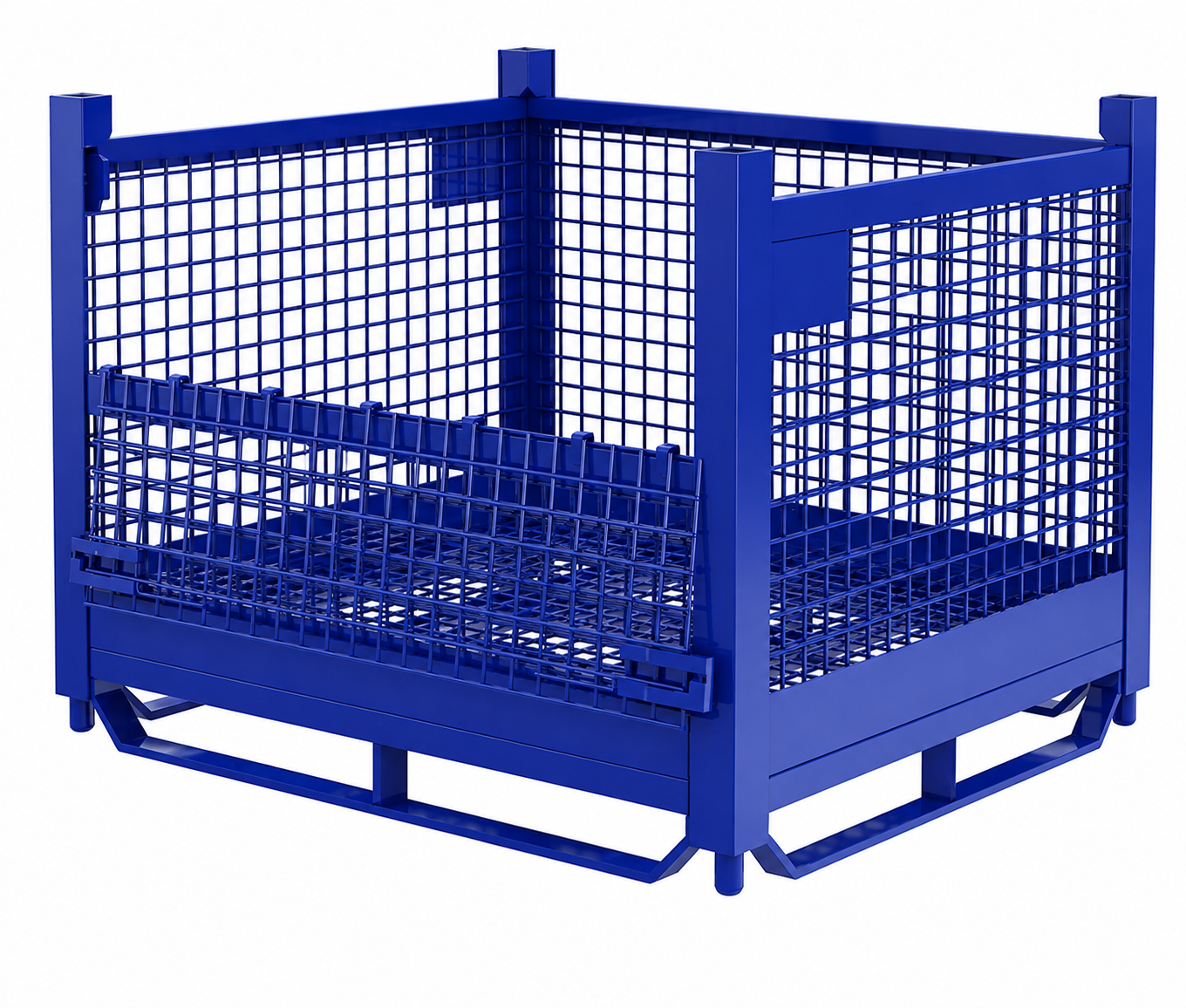
GM 5131 Rigid Wire Baskets & Bins
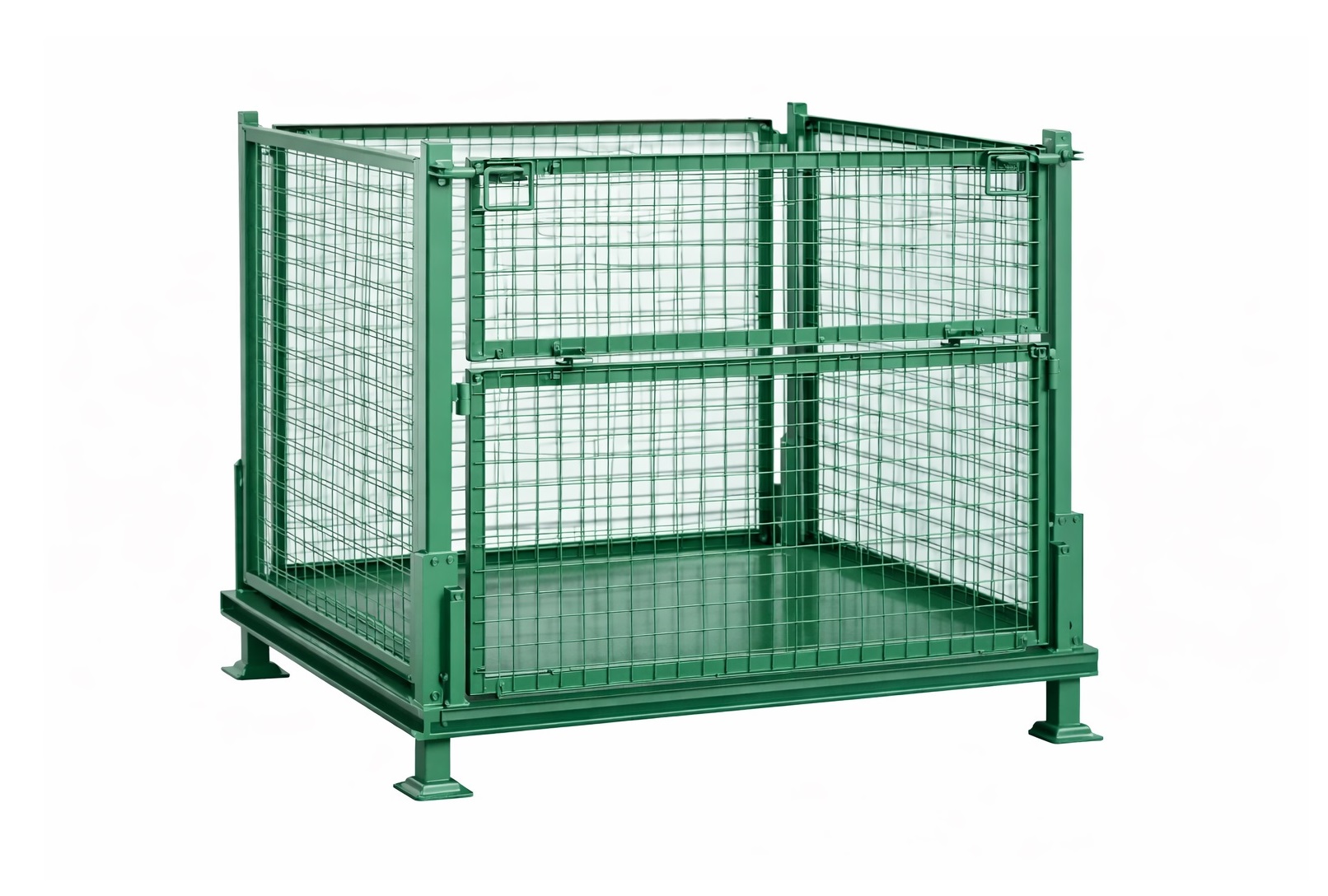
Daimler Compatible Collapsible Wire Containers
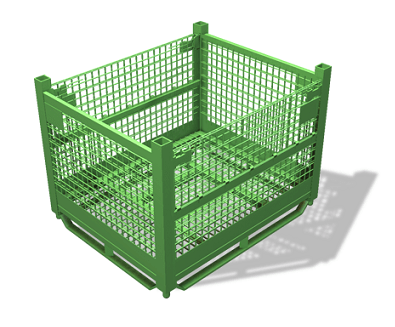
FORD ZE-13, ZE 11, ZE-21 Rigid Wire Mesh Baskets, Bins & Containers
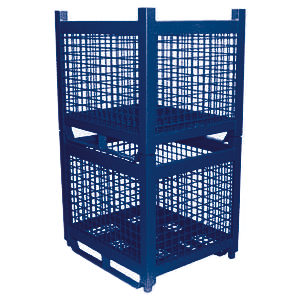
Heavy Duty Rigid Wire Containers
Daimler Compatible Collapsible Wire Containers
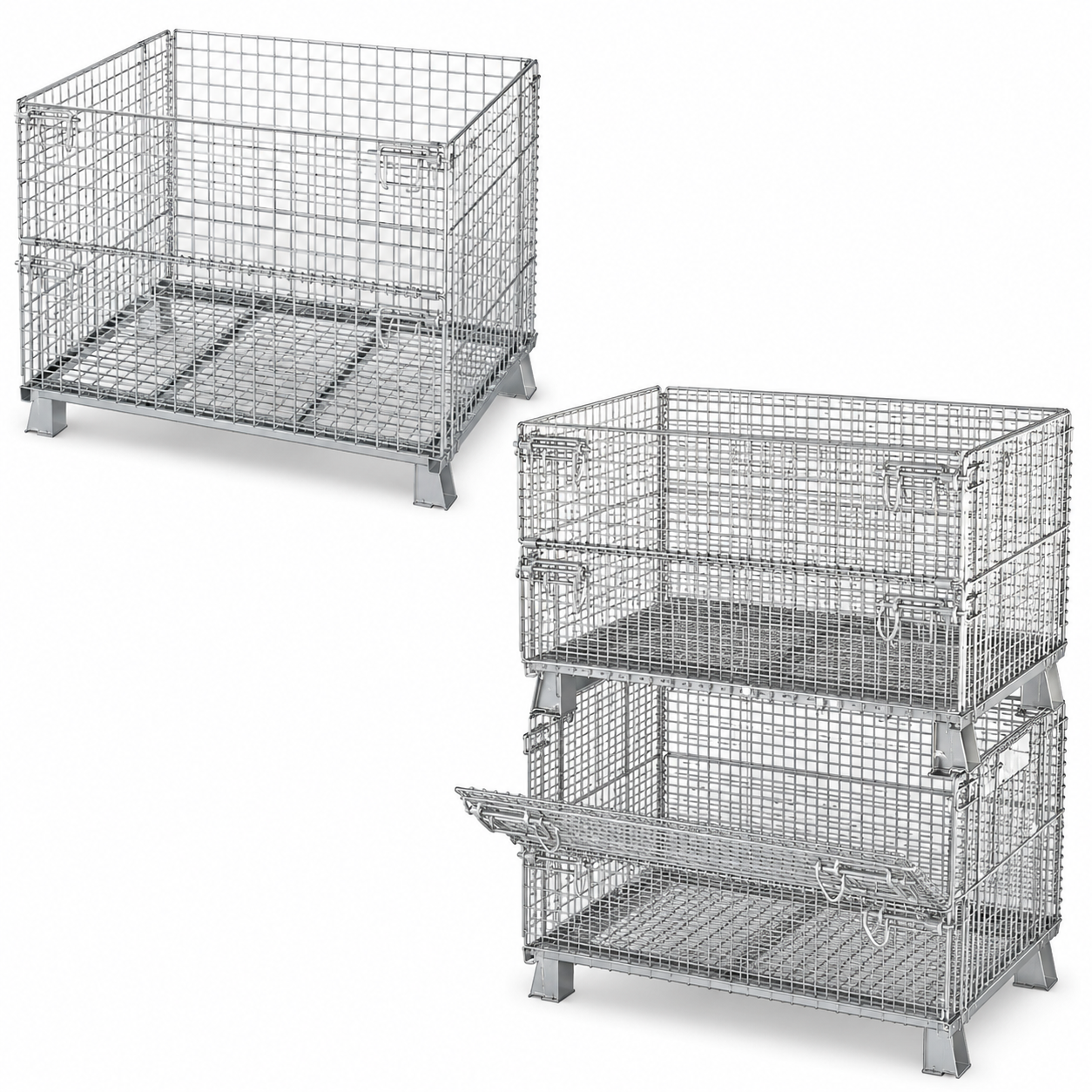
Engineered to solve the high costs of empty return logistics, Daimler compatible collapsible wire containers combine OEM-level structural capacities with a space-saving foldable design. These containers feature heavy-duty perimeter hinges and drop-gate latches that allow the side walls to collapse flat onto the runner base when emptied. By dramatically reducing the vertical profile of each unit, facilities can achieve high return-ratio advantages, fitting significantly more empty containers onto a single outbound freight trailer. This collapse feature reclaims valuable floor space in assembly plant staging areas while reducing overall carbon footprints and freight expenses during closed-loop return shipping to suppliers.
Ford ZE-13, ZE-11, and ZE-21 Style Wire Mesh Baskets, Bins & Containers
Ford Motor Company relies on standardized container specifications—specifically the ZE-11, ZE-13, and ZE-21 series—to support distinct component geometry, weight distribution, and line-side delivery methods. These wire mesh baskets are manufactured to precise dimensional tolerances, ensuring exact fitment into Ford’s automated material handling equipment, specialized rack bays, and gravity feed systems. Utilizing the specified ZE container style prevents receiving delays, eliminates sorting errors at assembly facilities, and protects delicate engine, transmission, or body components from shifting during transit between Tier-1 suppliers and stamping plants.
Heavy Duty Rigid Wire Containers
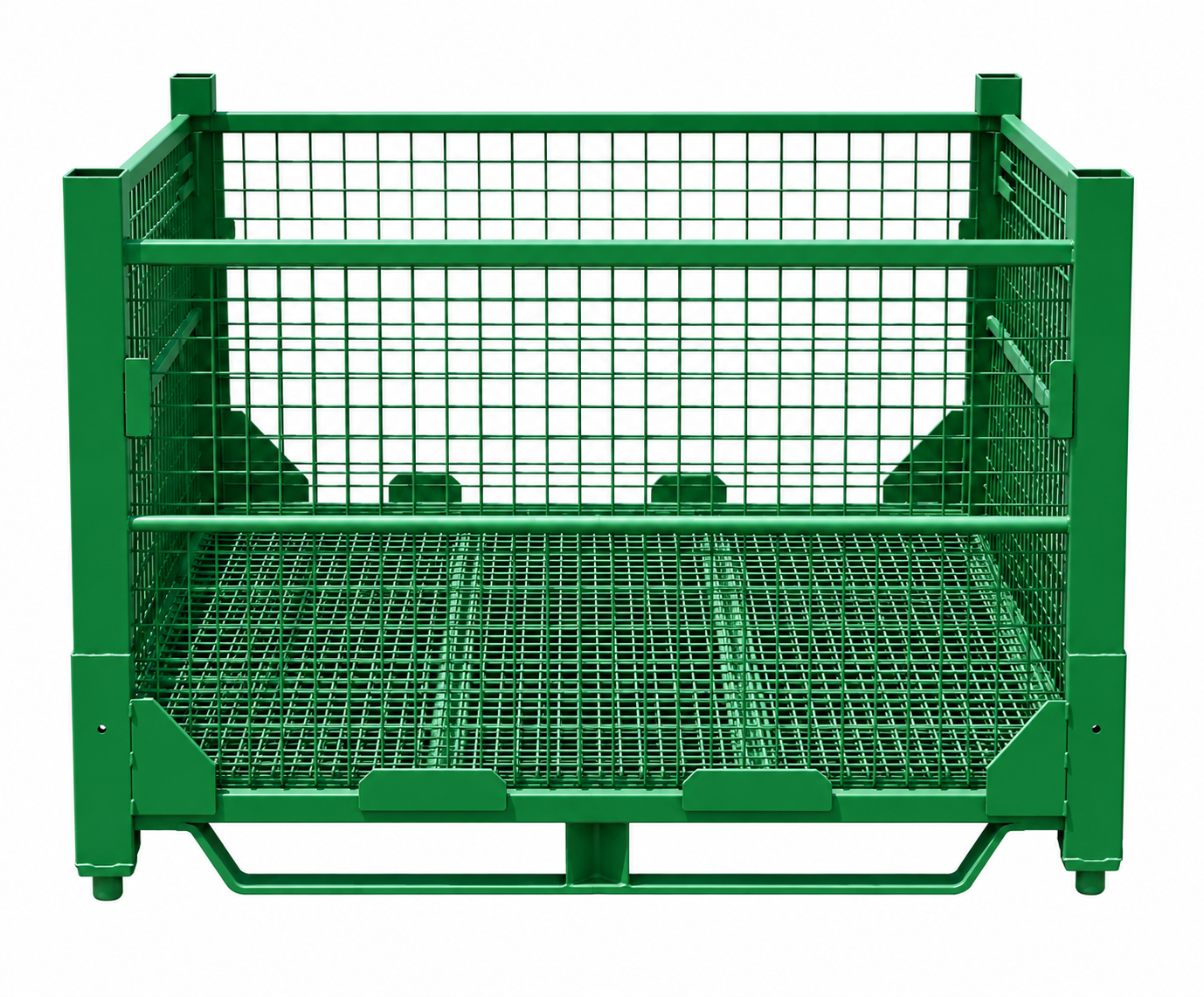
For heavy industrial workflows operating outside specific OEM specifications, heavy duty rigid wire containers deliver unyielding structural strength for rugged, closed-loop environments. Foundries, forging shops, and heavy stamping facilities use these non-collapsible bins to handle high-density metal payloads, rough castings, and raw billets that would compromise lighter wire baskets. Constructed with extra-thick steel wire mesh, heavy-gauge perimeter angle iron, and reinforced base channels, these containers tolerate severe forklift impacts, continuous line-side abuse, and multi-tier overhead stacking. The open-mesh construction provides instant visual inventory tracking while maintaining maximum structural stability under extreme load capacities.
Frequently Asked Questions
What are the primary industry benchmark standards governing automotive wire container design?
Automotive wire container standards are dictated by individual OEM packaging engineering guidelines (such as GM, Ford, and Daimler specifications) alongside broader Automotive Industry Action Group (AIAG) recommendations. These benchmarks require uniform footprint dimensions, standardized drop-gate configurations, and precise stack-height tolerances to ensure automated handling systems and forklifts can interface with the bins safely. Containers must undergo rigorous uniform distributed load (UDL) testing to verify dynamic transit capacities and multi-high static stacking safety factors.
How do open-wire automotive containers support facility fire safety and insurance requirements?
Open-wire automotive containers naturally comply with National Fire Protection Association (NFPA 13) regulations and local building codes for high-density warehouse storage. Unlike solid plastic bulk boxes or wooden crates, the open-mesh steel grid allows smoke to pass upward freely to trigger early-detection alarm systems while permitting overhead sprinkler water to cascade downward through stacked bins. This open design satisfies stringent insurance codes without requiring facilities to install costly secondary in-rack sprinkler systems.
Get a Quote Today
Investing in the right storage solution is an investment in the efficiency, safety, and profitability of your business. With our extensive experience, engineering expertise, and commitment to trustworthiness, we are confident we can provide a rigid wire container solution that exceeds your expectations.
Call us at 800-763-9020 or e-mail us at sales@rackandshelf.com to discuss your requirement.




