Lumber Yard Racks
Lumber yard racks are industrial storage and material handling systems designed for lumber, plywood, drywall, sheet goods, millwork, doors, and other long or bulky building materials. Depending on the application, they can be stationary, portable, stackable, galvanized for outdoor use, or mounted on wheels for material transport. Cantilever arms provide open-front storage for long products, while pallet rack, stack racks, retail shelving, and lumber carts handle everything from packaged inventory to individual sheets. The advantages are pretty simple: get lumber off the floor, use more vertical space, reduce unnecessary handling, and make material easier to find and retrieve. If you need to store it, stack it, transport it, or roll it, there’s probably a lumber rack designed to do it.
Warehouse Rack & Shelf supplies lumber storage systems for lumber yards, building supply companies, home centers, warehouses, manufacturing plants, and other operations handling long or bulky materials. Give us the dimensions and weight of what you’re storing, how you handle it, and whether the rack is going indoors or outdoors. That’s a much better place to start than picking a rack out of a picture and hoping your lumber fits.

Showing all 9 resultsSorted by latest
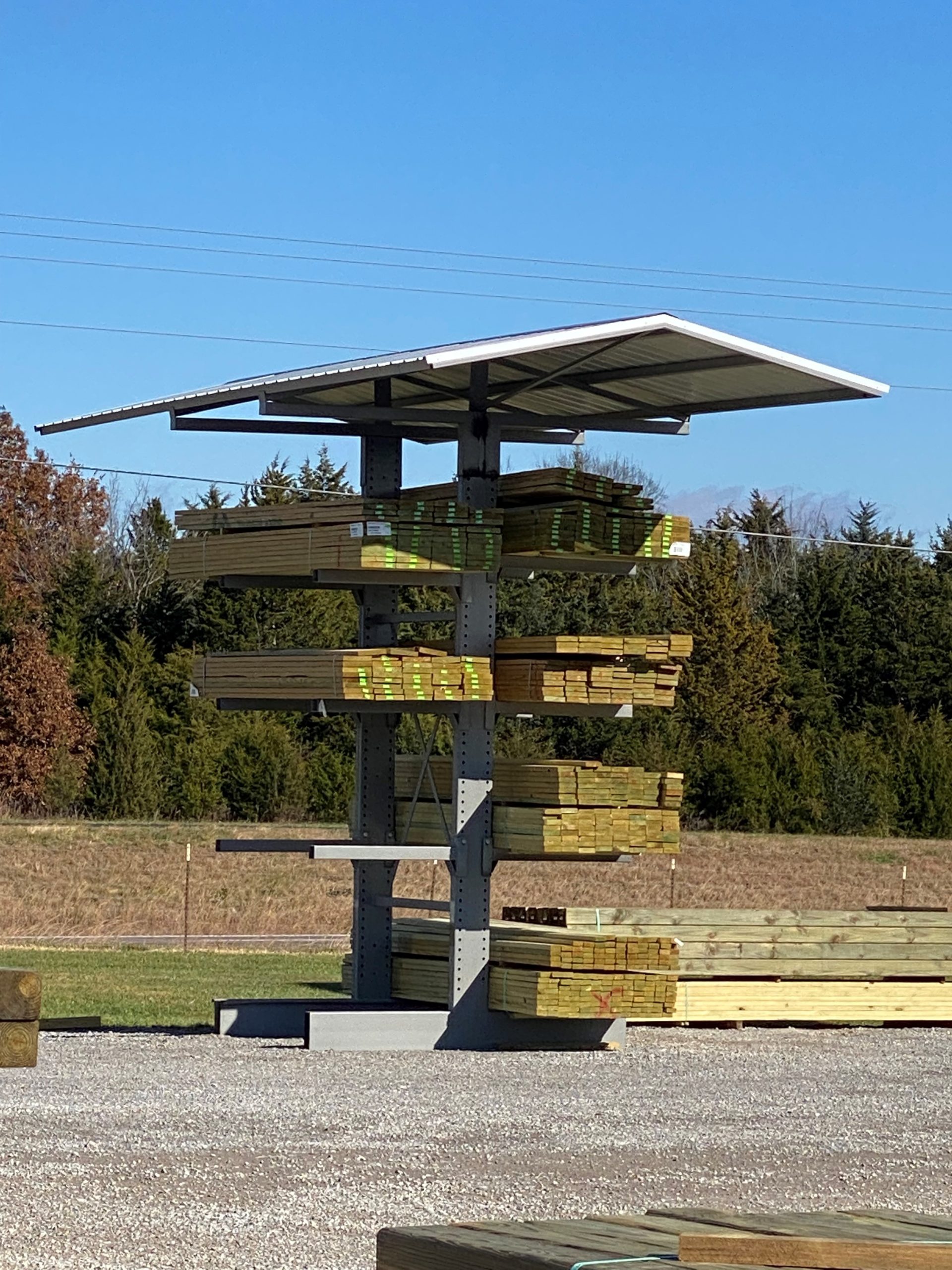
Cantilever Rack with Roof Truss for Outdoor Lumber Storage
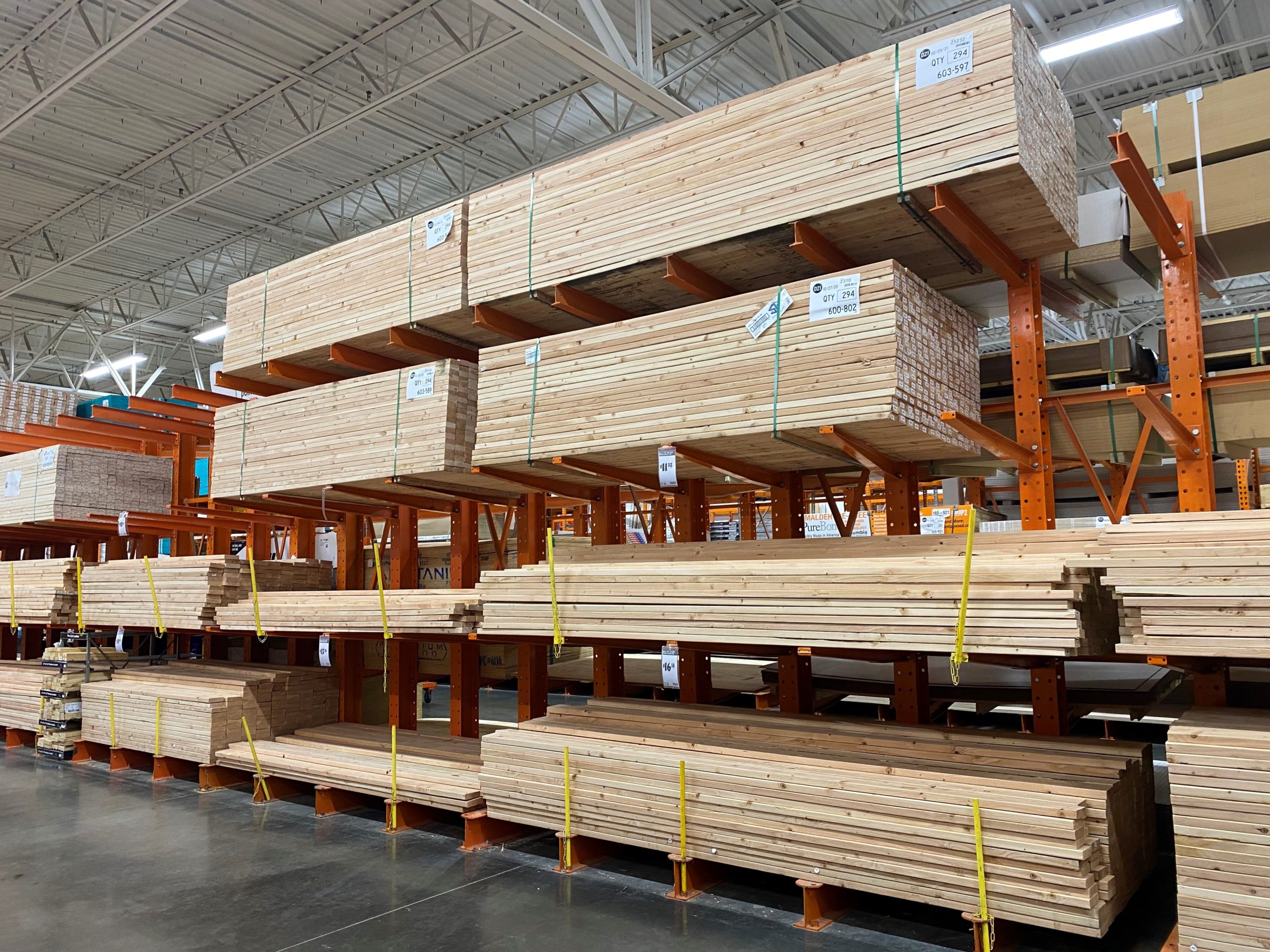
Cantilever Racks for Storing Lumber, Plywood & Drywall Sheets
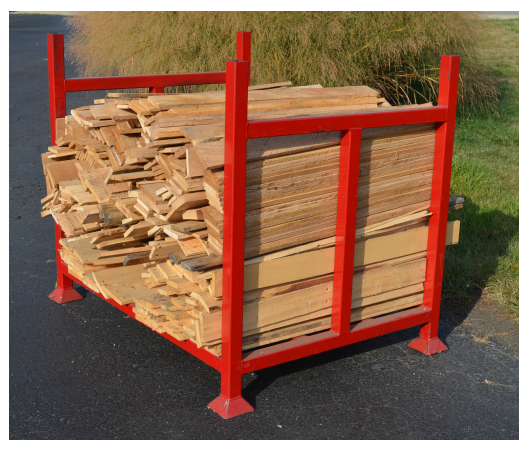
Lumber Stack Racks | Stackable Lumber Transport Racks

Galvanized Pallet Rack
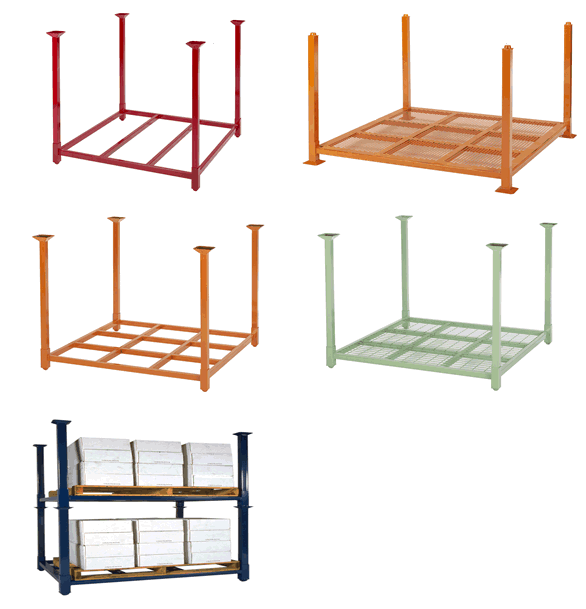
Portable Stack Racks
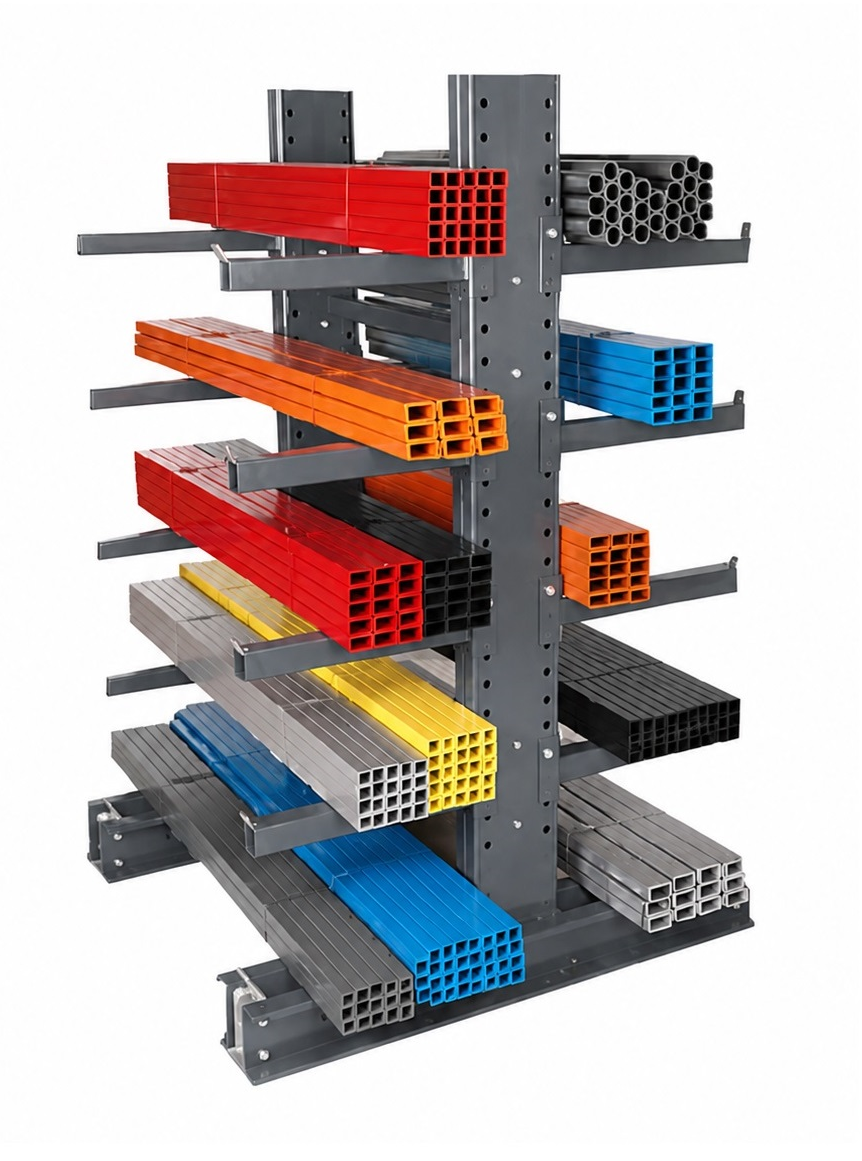
Cantilever Racks
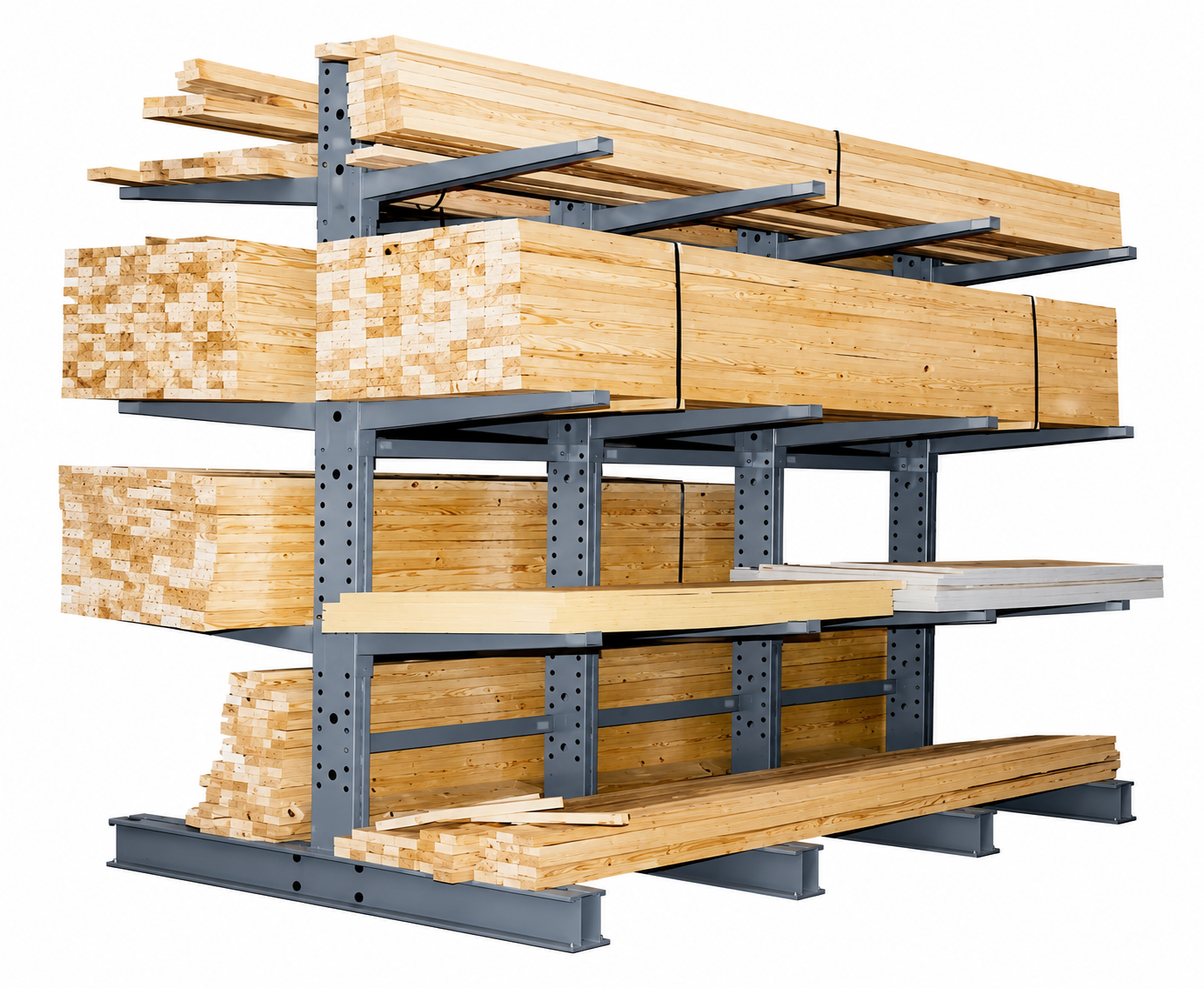
Cantilever Lumber Rack
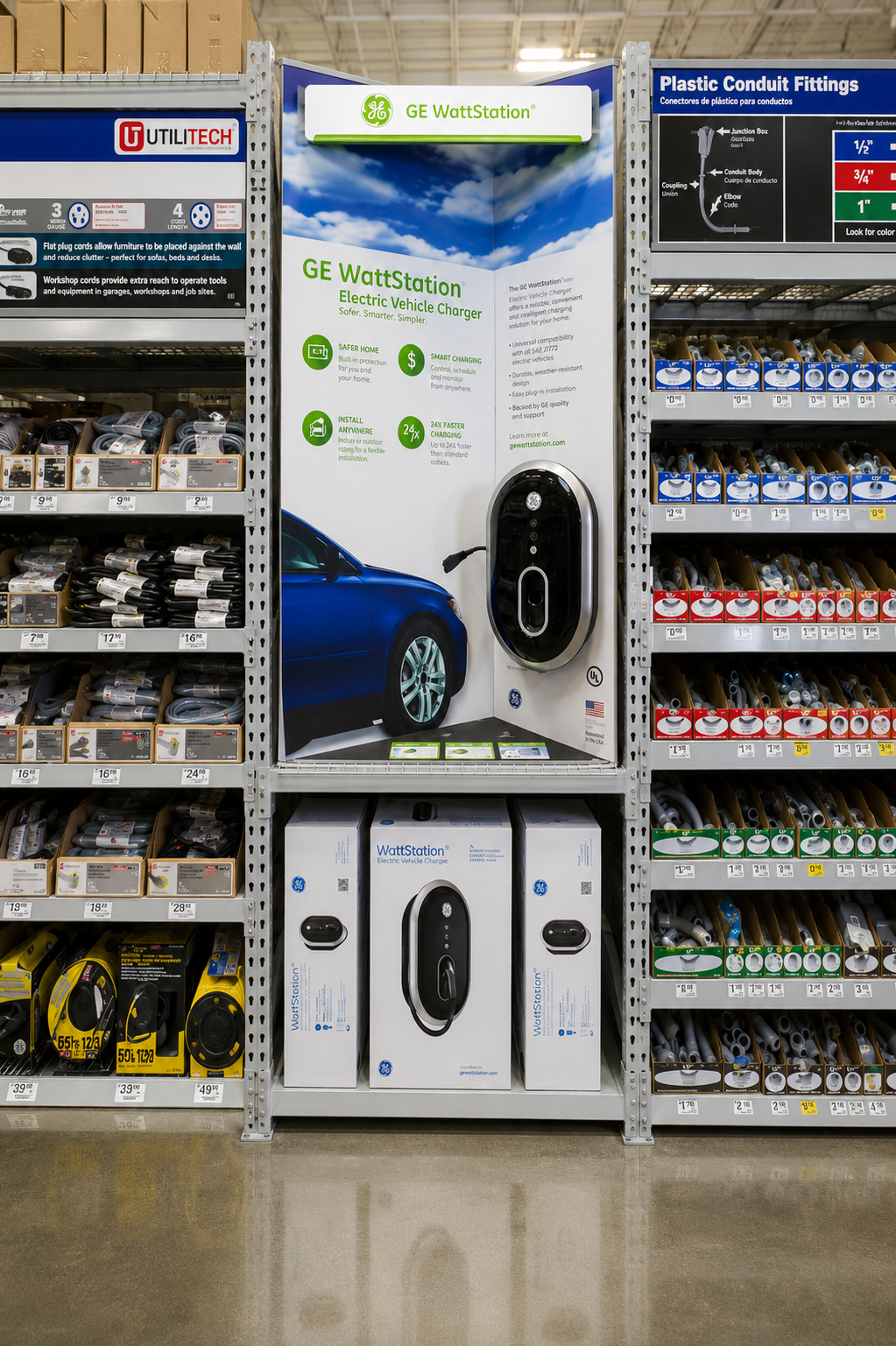
Retail Racks | Industrial Storage Shelving Systems
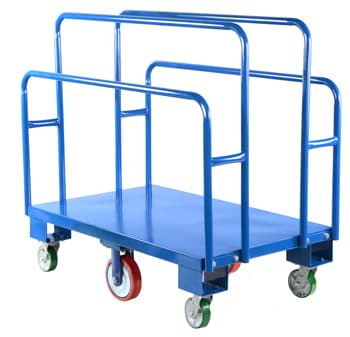
Lumber Cart | Panel Cart
Outdoor lumber storage creates two problems at once. You need a rack for long material, and you need some way to protect that material from the weather. Cantilever rack with a roof truss addresses both by combining open-front lumber storage with a steel truss structure attached to the rack uprights.
The truss attaches directly to the cantilever uprights using arm-style connectors. The cantilever rack and steel roof truss can be supplied as part of the storage system, while purlins, roofing panels, and related roofing components are typically provided separately. That’s important because the roof itself needs to be designed around local conditions such as snow loads, wind loads, drainage, and building requirements. We know lumber racks. Your local building officials know what they want sitting on top of them.
Cantilever Racks for Storing Lumber, Plywood & Drywall Sheets
Walk through the lumber department of a big-box home center and you’ve probably seen cantilever rack. It looks a little like a steel tree, with horizontal arms extending from vertical towers. There’s no front column, which is exactly why the design works so well for dimensional lumber, plywood, drywall, siding, and other long building materials.
Cantilever lumber racks are generally available in roll-formed and structural steel designs. Systems consist of upright towers with bases, horizontal storage arms, and brace panels connecting the towers. Single-sided rack works well along a wall, while double-sided rack provides storage and access from both sides. Arm lengths and capacities vary by system, allowing the rack to be designed around the size and weight of the material. Most importantly, you aren’t trying to maneuver a 16-foot board around a front column that shouldn’t have been there in the first place.
Lumber Stack Racks | Stackable Lumber Transport Racks
You got lumber? We have a rack for you.
Lumber stack racks combine storage and transportation in the same piece of equipment. They’re portable, stackable, and available in collapsible or knock-down configurations, allowing lumber to be stored at the mill, moved through a warehouse, loaded onto a truck, and transported closer to the point of use without transferring the material to another storage system.
Depending on the rack design and load, units can be stacked vertically to recover floor space. Removable end frames or side rails help contain the load, while stacking targets align one rack with another. Base options can include tubular supports along with plywood, wire mesh, or solid steel decking. When empty, knock-down racks can reduce the space required for storage or return transportation. Lumber, plywood, millwork, windows, doors, even firewood—sometimes a simple portable rack can do a lot of jobs.
Outdoor lumber yards and building supply operations don’t always need cantilever rack. Packaged products, palletized building materials, and other unit loads may be better suited to conventional pallet rack. When that rack is exposed to rain, moisture, washdown conditions, or other corrosive environments, the finish becomes an important part of the decision.
Hot-dip galvanized pallet rack receives a zinc coating intended to provide greater corrosion resistance than conventional painted rack. It costs more and usually adds lead time, so it isn’t automatically the right answer for every outdoor application. In some environments, painted rack may provide an acceptable service life. In others, galvanized rack may make more sense over the long term. Consider climate, exposure, expected service life, maintenance, and replacement cost instead of making the decision on purchase price alone.
Portable stack racks are one of those warehouse products that can solve several problems at once. They provide a defined storage location for difficult-to-handle material, can be moved when needed, stack vertically when loaded, and can often be knocked down or nested when empty.
For lumber yards, stack racks can be useful for shorter lumber, millwork, packaged products, and other inventory that doesn’t necessarily need a permanent rack location. Options can include fork stirrups, fork tunnels, removable side frames, wire mesh, steel, or plywood decking. Unlike permanent rack, stack racks aren’t anchored to one location. When the inventory moves, the rack can move with it.
Cantilever racks aren’t just lumber racks. They’re used for pipe, tubing, extrusions, siding, furniture, steel shapes, and almost anything else that’s long, bulky, or awkward to store. Vertical uprights, bases, horizontal arms, and brace panels create multiple storage levels without front columns obstructing the load.
That’s the special sauce. Clear frontal access lets forklifts approach the material directly and allows different product lengths to share the same rack. Instead of bulk stacking long products on the floor, cantilever rack lets you store up and not out. That improves storage density while keeping individual products easier to see and retrieve. If your inventory is long and doesn’t fit neatly between pallet rack uprights, cantilever rack should probably be somewhere on your list.
Cantilever lumber racks take that same open-front design and configure it specifically around dimensional lumber, plywood, and other building materials. They’re common in lumber yards, home centers, workshops, manufacturing facilities, and building supply operations because long products can span across as many arms as necessary without vertical columns interrupting the storage level.
The result is flexibility. Different lumber lengths and product sizes can be stored on the same rack, and employees can see what’s available without moving stacks of material around. Cantilever lumber racks can be installed indoors or outdoors depending on the rack design and finish. Single-sided systems can be positioned along walls, while double-sided systems create freestanding storage rows. Long lumber is difficult enough to handle. The rack shouldn’t make the job harder.
Retail Racks | Industrial Storage Shelving Systems
A lumber yard or home center needs more than somewhere to put bundles of 2x4s. Retail building supply operations also need storage for tools, hardware, boxed products, smaller building materials, and reserve inventory. That’s where industrial retail rack and shelving systems come into the picture.
Warehouse Rack & Shelf can combine pallet rack, boltless shelving, steel shelving, wide-span shelving, cantilever rack, and custom retail displays to create storage around the products being sold. Open shelving keeps inventory visible and accessible on the sales floor, while backroom rack keeps replenishment inventory organized behind the scenes. The goal isn’t simply to fit more product into the building. Customers need to find it, employees need to replenish it, and everybody needs enough room to move through the aisles.
Stop breaking your back trying to carry plywood and doors across the building. That’s what the cart is for.
Lumber carts, also called panel carts, are designed to move plywood, drywall, paneling, doors, dimensional lumber, and other sheet or long materials through lumber yards, home centers, warehouses, and manufacturing facilities. You’ve probably pushed one through a home center yourself. The open frame provides a place to load large sheets vertically or at an angle, while casters allow the material to be rolled from the rack to checkout, shipping, production, or another work area.
Panel carts are particularly useful for order picking, stocking, order fulfillment, and shipping and receiving. They reduce the amount of manual carrying required for large sheets and give employees a controlled way to move awkward material through the facility. A rack stores the lumber. A lumber cart gets it where it needs to go. You usually need both.
Lumber Yard Rack Features and Benefits
- Stores lumber, plywood, drywall, siding, millwork, doors, and other building materials
- Open-front cantilever designs accommodate long and varying product lengths
- Single- and double-sided cantilever configurations
- Roll-formed and structural steel rack options
- Indoor and outdoor storage configurations
- Roof trusses available for outdoor cantilever storage applications
- Galvanized rack options for greater corrosion resistance
- Portable and stackable racks for flexible material storage
- Collapsible designs can reduce empty storage and return-shipping space
- Lumber carts simplify movement of sheet goods and long products
- Custom rack dimensions can be designed around the actual material
- Vertical storage helps recover valuable lumber yard and warehouse floor space.
Frequently Asked Questions: Lumber Yard Racks
What should I consider when designing a lumber rack system?
Consider the material’s length, width, height, and weight. Arm length and capacity depend on these dimensions and the material’s density. Tower height should match ceiling clearance and storage density. For outdoor use, specify galvanized rack or structural cantilever with a protective finish to resist corrosion. If anchoring to concrete (recommended for outdoor and tall indoor systems), verify anchor bolt specifications against local building codes and the rack manufacturer’s recommendations.
What permits or building code requirements apply to outdoor lumber rack with roof truss systems?
Outdoor cantilever rack systems with roof truss structures may require local building permits and code requirements based on size, roofing material, and jurisdiction. Snow load requirements vary by region and must be factored into roof truss design and material selection. We supply the cantilever rack and steel roof truss, but purlin clips and roofing material must be sourced and installed locally according to building code. Consult with your local building official to determine permits, load calculations, and engineering certification requirements.
How should lumber racks be installed for safe, long-term performance?
Install the rack on a level, structurally sound floor that can support the rack and its maximum load. Make sure to anchor bolts should be installed per the manufacturer’s specifications to prevent tipping, especially in single-sided configurations. Install arms at consistent heights across each row for level support. Verify arm capacity ratings against the actual weight of materials. For stackable lumber transport racks, stacking targets on the feet must engage properly on the rack below before weight is applied. Stacking should be performed on level surfaces only. Remember to inspect lumber carts for wheel condition and cart squareness before use. Avoid overloading beyond the cart’s rated capacity to prevent wheel failure or structural damage.




