Pallet Rack Components
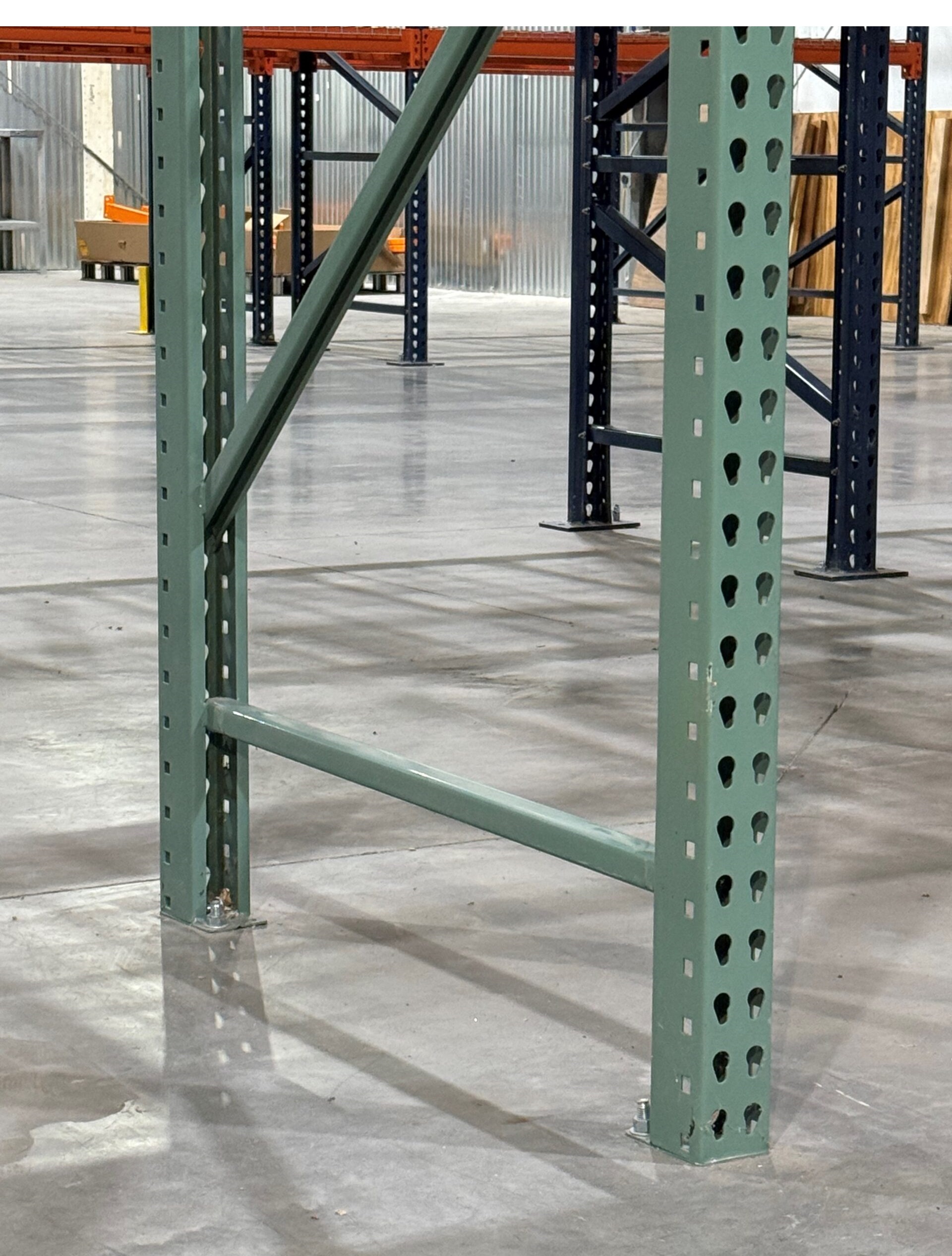
Pallet rack components refer to the individual structural parts and safety accessories that assemble to form an industrial pallet racking system. The primary components include vertical upright frames, horizontal load beams, and teardrop step beams, which are supplemented by safety items like wire decking, column protectors, and wall ties. Understanding these individual pieces is essential, as the capacity, stability, and layout of any warehouse storage system depend entirely on how these modular components are selected and combined.
The main benefit of using a component-based pallet rack system is its complete modularity and customization. Because warehouses must constantly adapt to changing inventory profiles, these parts are designed to be mixed, matched, and reconfigured. Upright frames are available in various heights and depths, while beams can be adjusted vertically along the frame to accommodate taller or shorter pallets. This flexibility allows facilities to optimize their vertical cube space and adjust their storage layout without needing to invest in entirely new racking systems.
Another significant advantage is the ease of maintenance and cost-effective repair. In busy warehouse environments, forklift impacts inevitably cause damage to structural racking over time. Because the system is built from components, a damaged beam or bent row spacer can be unbolted and replaced individually, rather than requiring the teardown and replacement of an entire storage bay. This dramatically minimizes operational downtime, reduces long-term maintenance costs, and ensures the structure can be kept at peak safety standards with minimal disruption.
Showing all 3 resultsSorted by latest
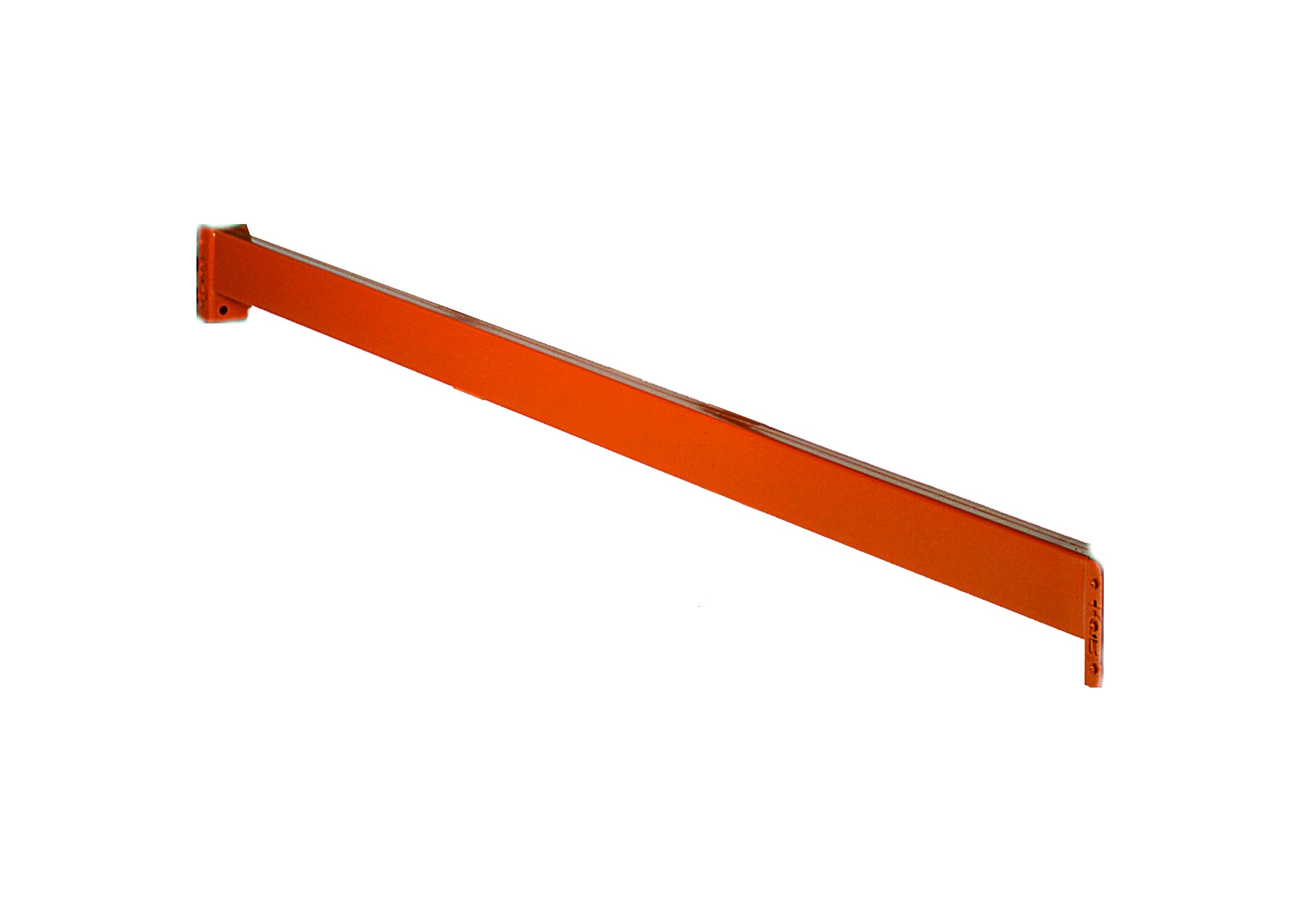
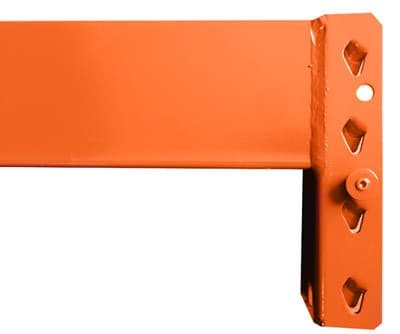
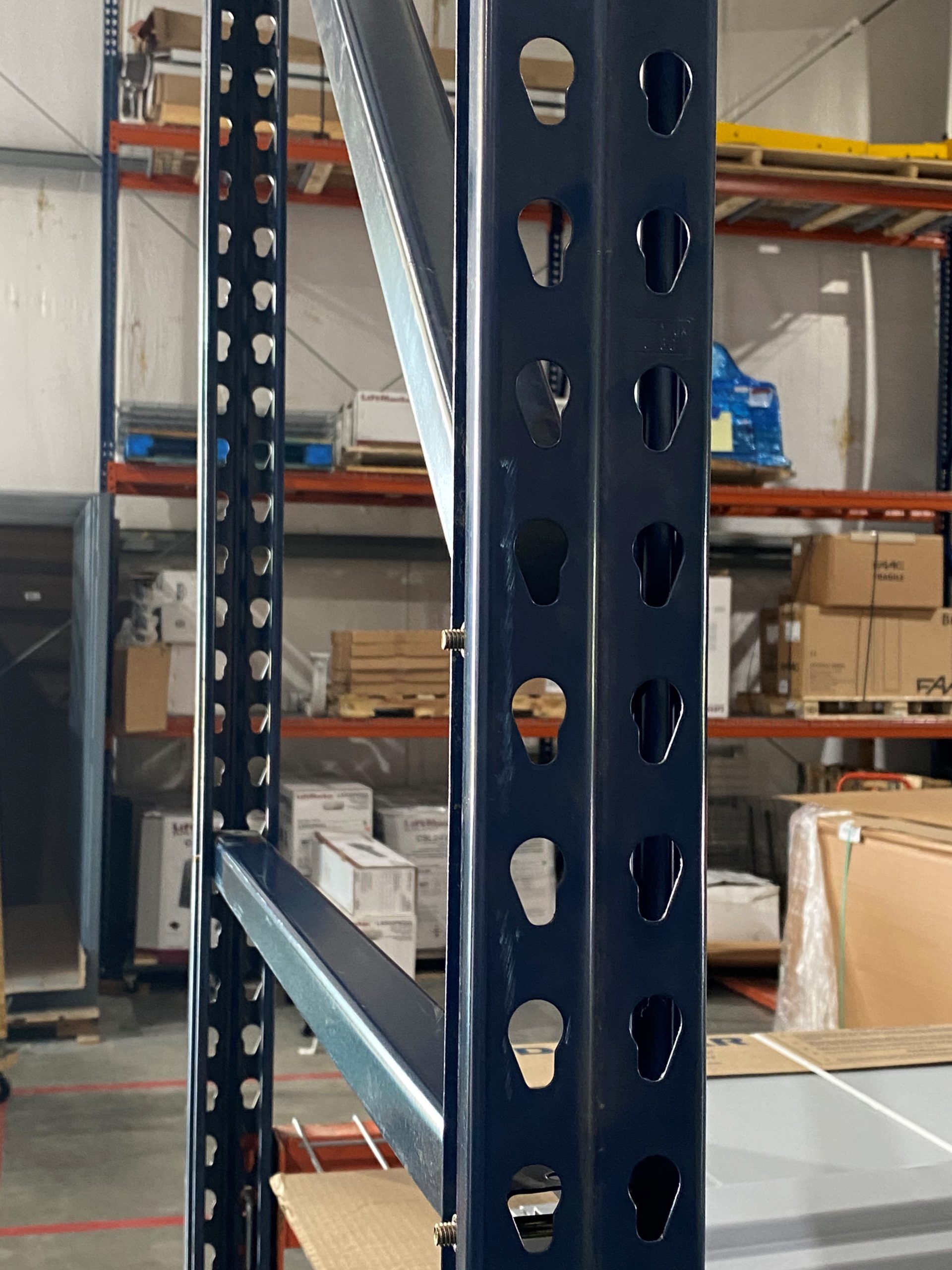
Selecting the proper mix of specialized components maximizes both operational safety and weight capacity. Engineering a rack with heavy-gauge steel uprights and reinforced step beams ensures the system can handle high-density point loads safely. Furthermore, integrating safety components like row spacers maintains consistent aisle alignments, while column guards protect the base of the frames from forklift collisions. This structural reinforcement protects valuable inventory and extends the lifespan of the entire warehouse infrastructure.




