Longitudinal Flue Space Dividers
Longitudinal Flue Space Dividers are pallet rack accessories designed to help maintain a consistent open space between back-to-back pallet loads while also helping prevent pallets from being pushed too far through the rack. Typically made from steel and attached to the rear portion of the rack, these dividers create a physical stopping point that helps operators position pallets consistently. Depending on the design, they may function as single pallet load stops, heavy-duty stops with reinforced gussets, or part of a broader flue-space management system. Their advantages include better pallet positioning, reduced pallet push-through, improved organization, protection for inventory and personnel behind the rack, and support for maintaining the open vertical channels required by the facility’s fire protection design. Exact flue-space dimensions and requirements depend on the storage arrangement, commodities, sprinkler system, adopted codes, and authority having jurisdiction.
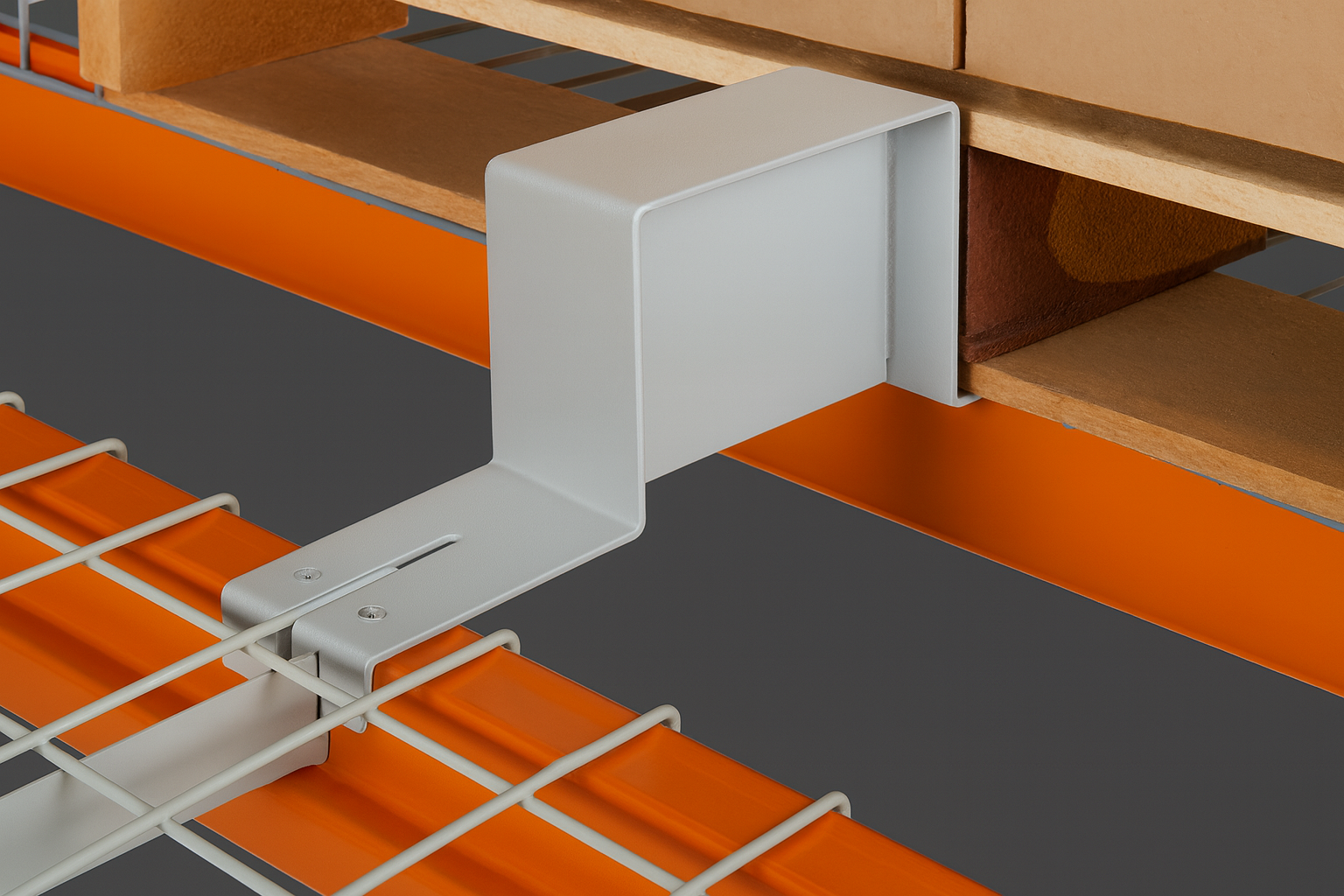
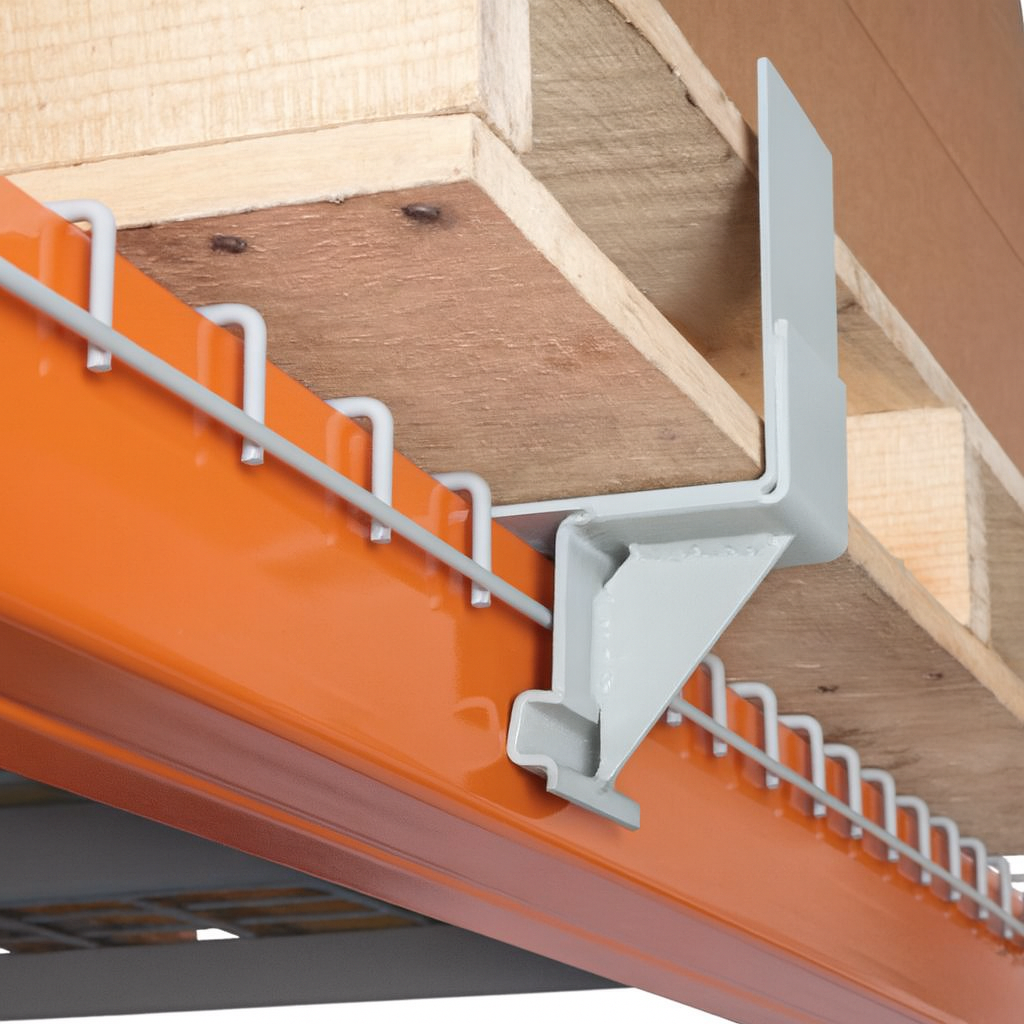
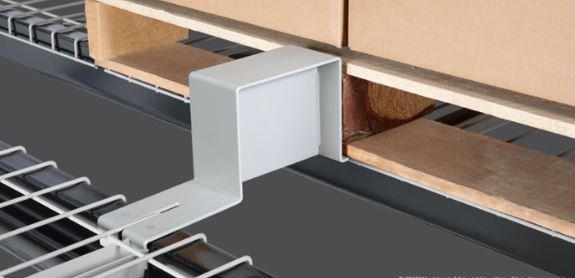
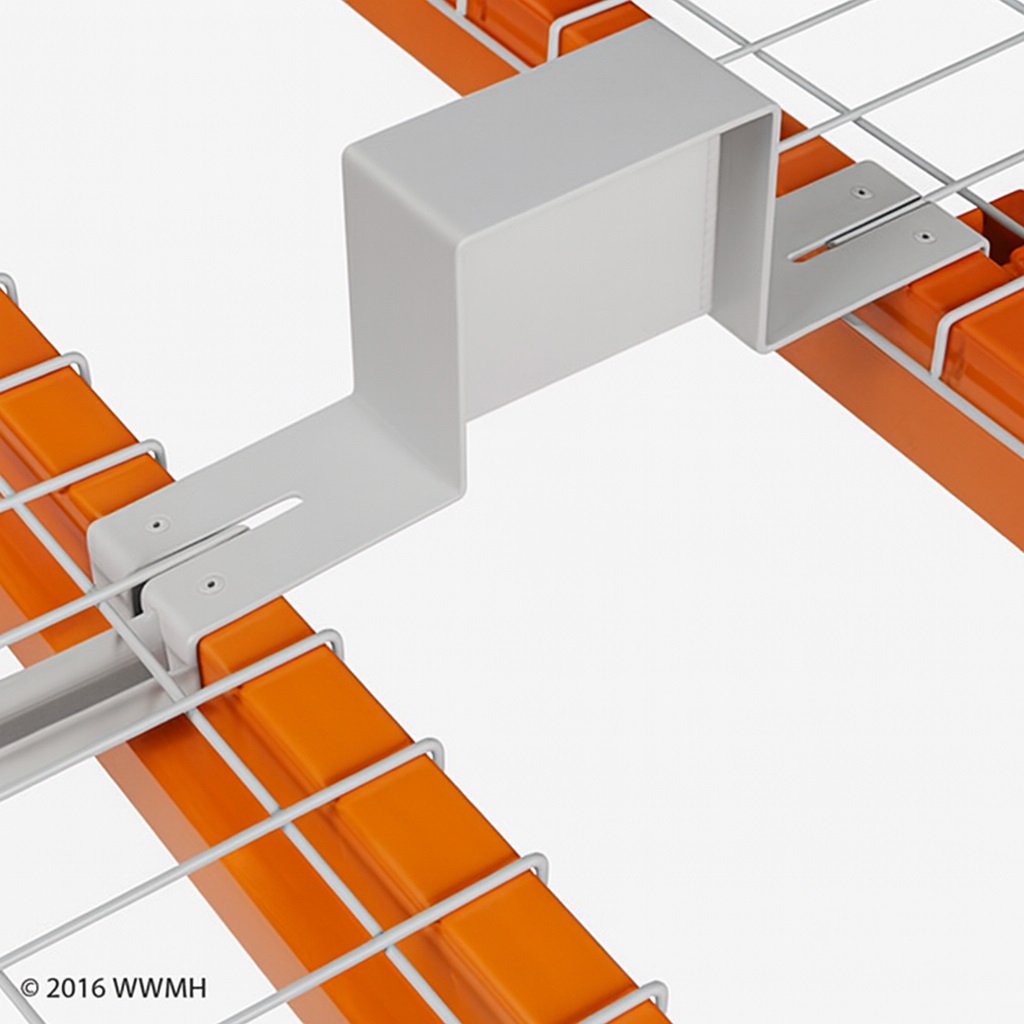
Single Pallet Load Stops Prevent Pallet Push Through by creating a physical stopping point at the rear of the pallet position. They’re installed at the back of the pallet rack so a forklift operator has an additional barrier against accidentally pushing a pallet too far through the rack. That’s a simple idea, but it can prevent a potentially serious problem.
Pallet push-through can damage inventory, interfere with the space between back-to-back racks, and create a hazard on the opposite side of the rack. A properly selected single pallet stop helps establish more consistent pallet placement while protecting the area behind the load.
Showing all 7 resultsSorted by latest
Single Pallet Load Stops Prevent Pallet Push Through
Heavy Duty Pallet Load Stop with Steel Gusset | Longitudinal Flue Space Divider for Pallet Rack
Longitudinal vs. Transverse Flue Space Dividers for Pallet Rack
Regular vs. Heavy-Duty Single Pallet Stops | Longitudinal Flue Space Protectors
Longitudinal Flue Space Dividers
Importance of Flue Space Protectors in Pallet Rack
Importance of Longitudinal Flue Space Dividers in Pallet Rack for Fire Safety
These stops are typically manufactured from steel and configured to engage the pallet if it’s pushed beyond its intended position. Correct placement is important. The stop has to match the pallet, beam level, rack configuration, load overhang, and intended flue space. It also needs to be securely attached according to the manufacturer’s installation instructions. A pallet stop is there as a positioning and safety device, not as something forklift operators should intentionally drive pallets against during every placement.
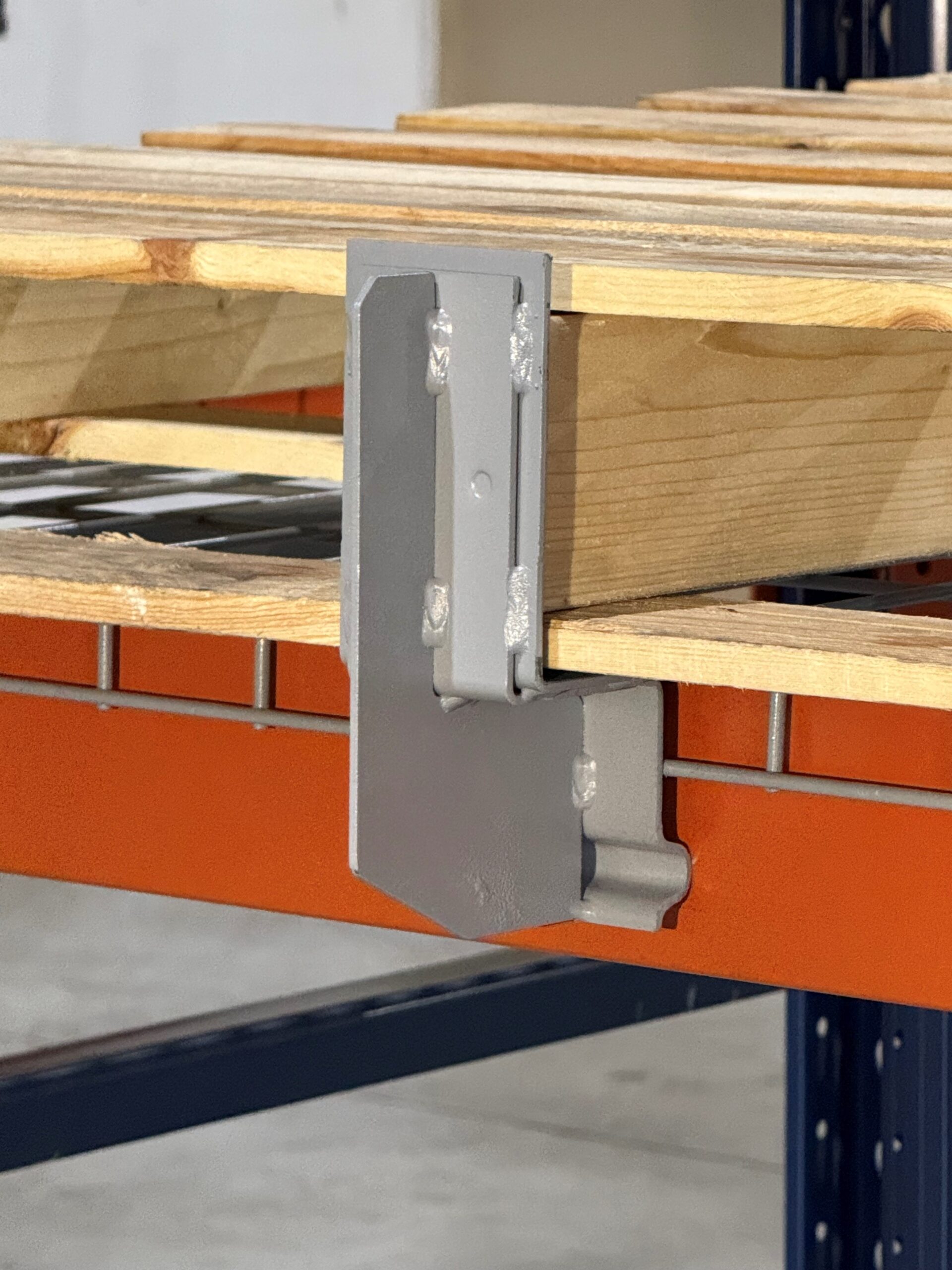
When a standard pallet stop isn’t enough for the application, a Heavy Duty Pallet Load Stop with Steel Gusset | Longitudinal Flue Space Divider for Pallet Rack provides additional reinforcement. The steel gusset increases rigidity and helps the stop resist bending from incidental pallet contact. This makes heavy-duty designs worth considering in busy warehouses where pallet rack receives frequent forklift traffic.
The primary job remains the same: help prevent pallets from being pushed too far through the rack. In back-to-back rack configurations, correctly positioned stops can also help maintain the intended longitudinal space between opposing pallet loads. That keeps pallets from gradually creeping into an area intended to remain open.
Our WorldStop-style heavy-duty pallet stops are designed for straightforward attachment to compatible pallet rack, including configurations installed with Tek screws as specified for the product. Standard and heavy-duty versions allow you to choose the amount of reinforcement appropriate for the operation instead of paying for more steel everywhere when only certain areas need it.
These stops can be particularly useful in high-traffic rack rows, but stronger isn’t a substitute for proper design. Stop location, attachment, rack compatibility, pallet dimensions, expected load overhang, and the required longitudinal flue space should all be established before installation.
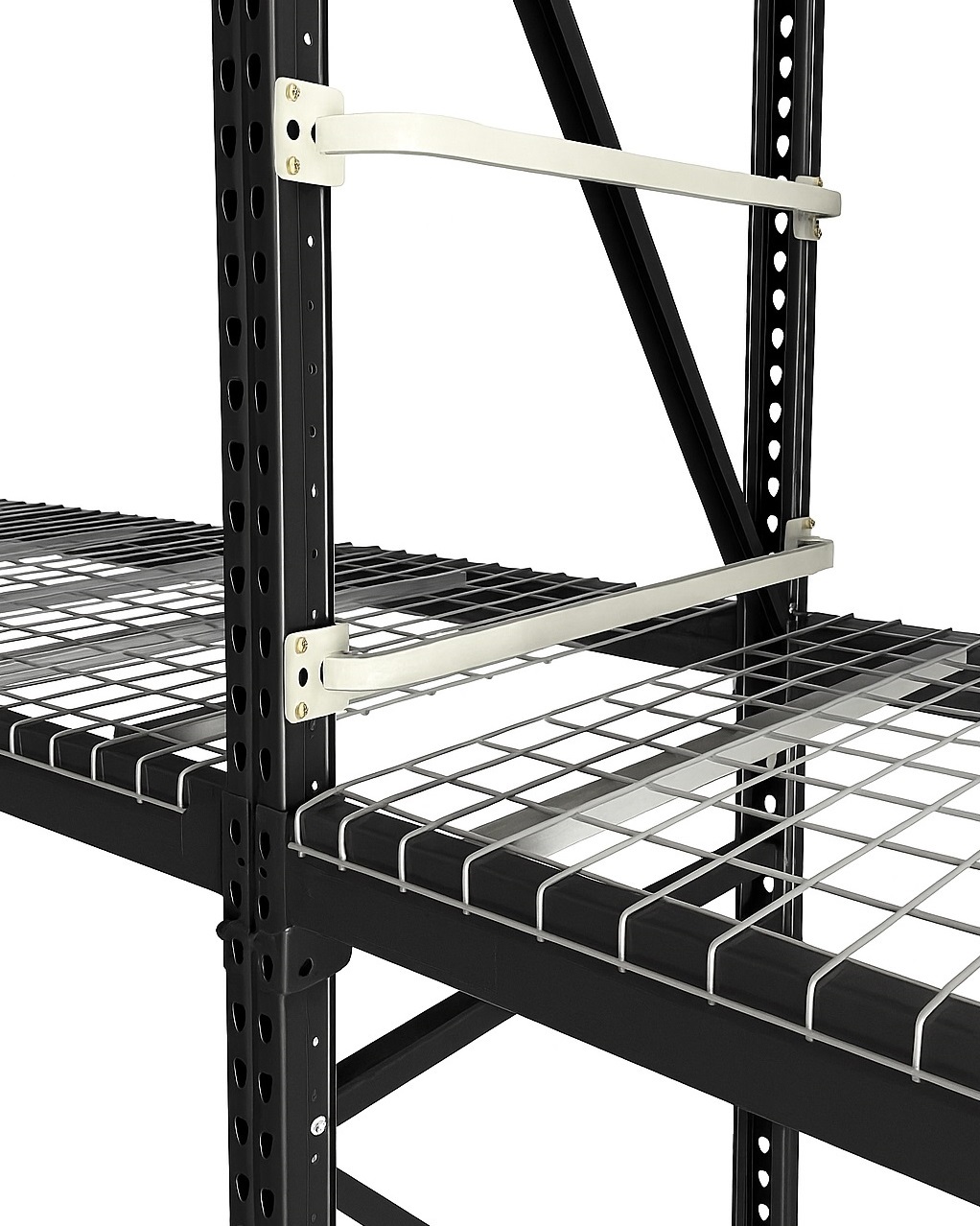
Longitudinal vs. Transverse Flue Space Dividers for Pallet Rack address two different spaces, and it’s important not to confuse them. A longitudinal flue space is generally the vertical opening between loads in back-to-back rack rows. A transverse flue space is the opening between adjacent pallet loads along a rack row. Both can be important to the overall storage and sprinkler design, but they’re maintained differently.
Longitudinal dividers, including pallet-stop or WorldStop-style products, help keep opposing pallet loads from extending too far into the space between back-to-back racks. They provide forklift operators with a physical reference for pallet placement and help keep that vertical channel from being gradually reduced by inconsistent loading.
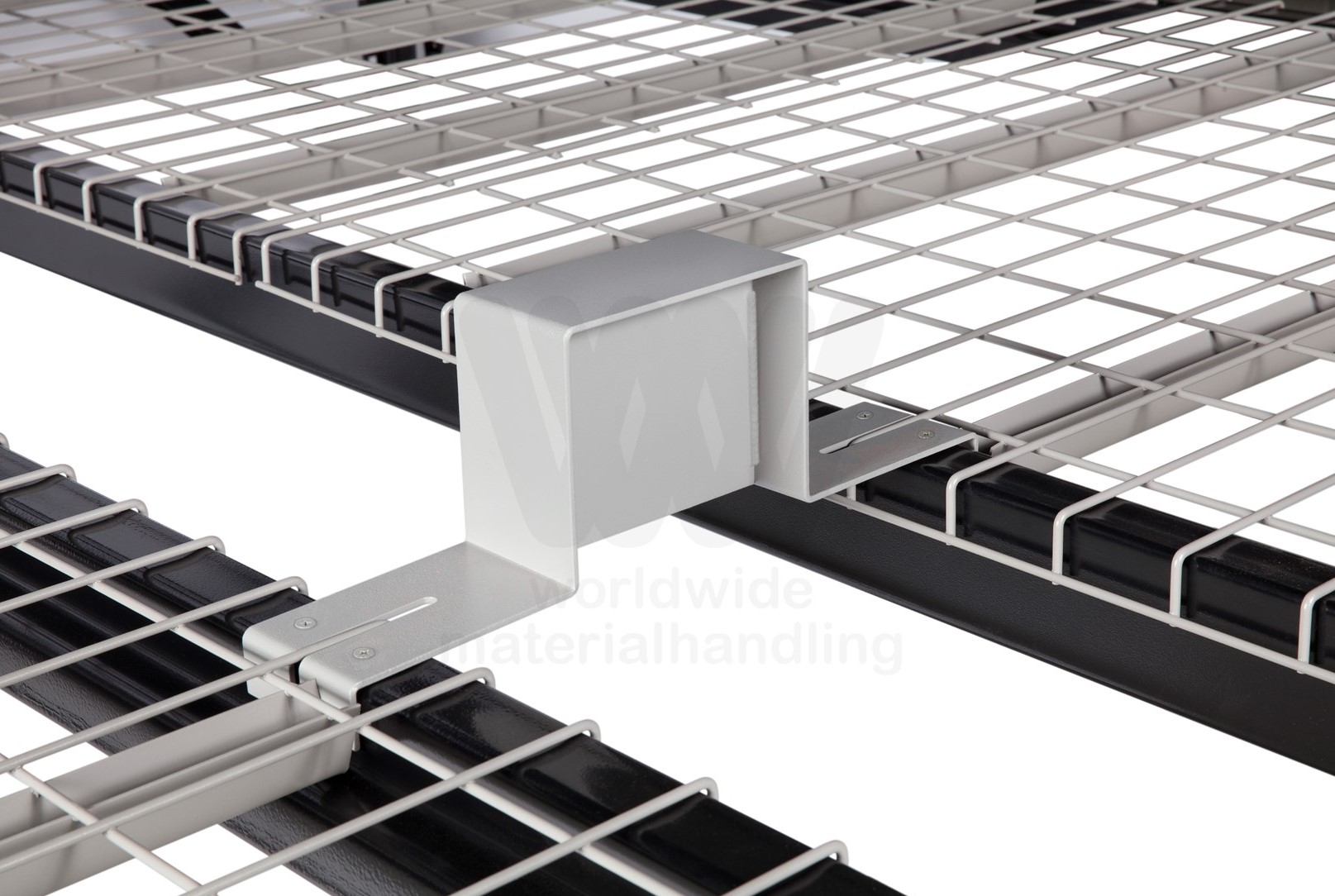
Transverse flue space dividers work between adjacent pallet positions on the same rack level. Depending on the product, they may attach to compatible wire decking and help establish separation between neighboring pallet loads. This can also improve organization by making individual pallet positions more obvious to forklift operators.
The required dimensions aren’t universal. While 6″ longitudinal spaces and 3″ to 6″ transverse spaces are frequently discussed in warehouse storage applications, those numbers shouldn’t automatically be applied to every rack system. Actual requirements can vary based on commodity classification, storage height, pallet type, rack arrangement, sprinkler design, and locally adopted fire codes. The facility’s fire protection professional and authority having jurisdiction should confirm the required configuration.
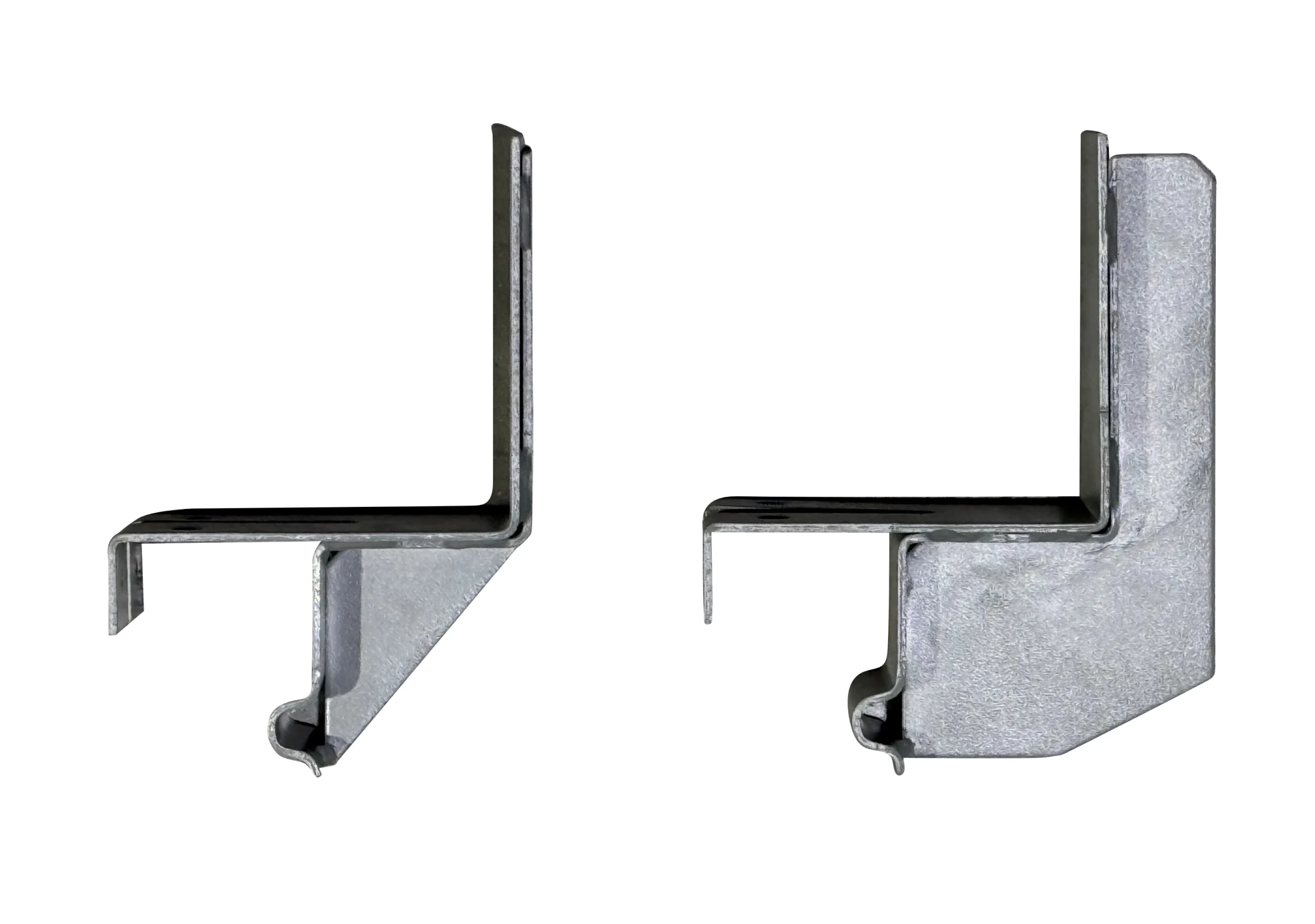
Choosing between Regular vs. Heavy-Duty Single Pallet Stops comes down to the rack environment and the amount of incidental contact the stop is expected to encounter. Standard pallet stops can be a practical solution for normal pallet positioning and push-through protection. They’re straightforward, economical, and suitable for applications where contact is expected to be relatively limited.
Heavy-duty pallet stops add reinforcement, such as steel gussets, to provide greater resistance to bending and repeated contact. They’re worth considering in high-traffic areas, locations with heavier loads, or rack positions where forklift operators regularly have more difficulty judging pallet depth.
You don’t necessarily need the heaviest stop at every pallet position. A warehouse might use standard stops throughout general storage and reinforced designs in particularly demanding locations. The important thing is selecting a stop that fits the rack and operating conditions.
Both designs can also help preserve the intended longitudinal space by preventing pallets from being positioned farther back than planned. That doesn’t mean the stop itself makes a rack system fire-code compliant. It’s a tool for maintaining the storage arrangement established by the facility’s approved fire protection and rack design.
Longitudinal Flue Space Dividers become especially useful when forklift operators are responsible for maintaining consistent pallet placement across hundreds or thousands of rack positions. Without a physical reference, one pallet might be positioned correctly while the next extends several inches farther into the back-to-back rack space. Over time, the intended open channel can become inconsistent or obstructed.
Adding physical stops gives operators a repeatable reference point. It also helps prevent excessive pallet push-through, which can damage inventory or create hazards on the opposite side of the rack. In that sense, longitudinal dividers can serve two purposes: pallet positioning and flue-space management.
The open space itself can be an important part of the warehouse fire protection strategy. Vertical openings between stored loads can allow heat and smoke to rise and sprinkler water to penetrate through the storage arrangement. Maintaining those openings as designed can therefore be important to sprinkler performance.
Visibility and organization improve as well. When pallet positions are clearly defined, forklift operators have a better idea of where a load belongs. That can produce more consistent rack loading and make it easier to identify pallets that have shifted or been positioned incorrectly.
Longitudinal Flue Space Dividers should be selected around the actual rack and storage application. Consider pallet dimensions, load overhang, rack depth, back-to-back spacing, beam elevations, forklift operation, and attachment method. Most importantly, determine the required flue-space dimensions from the approved fire protection design rather than relying on a single rule of thumb.
Frequently Asked Questions About Longitudinal Flue Space Dividers
How much longitudinal flue space do I need between back-to-back pallet racks?
There isn’t one dimension that should automatically be applied to every warehouse. A 6″ longitudinal flue space is common in discussions of rack storage, but the actual requirement depends on factors such as commodity classification, storage arrangement and height, rack configuration, sprinkler design, and the locally adopted fire code. Before setting stop locations, confirm the required dimensions with your fire protection professional, insurer, and authority having jurisdiction.
Where should pallet stops be installed?
The stop should be positioned so the pallet is supported correctly on the rack while maintaining the intended rear clearance and flue space. Installation needs to account for pallet depth, rack depth, allowable load overhang, beam position, and back-to-back spacing. Follow the stop manufacturer’s attachment instructions and verify that the product is compatible with the specific pallet rack system.
Should I use regular or heavy-duty pallet stops?
Standard pallet stops work well where you primarily need pallet-positioning and push-through protection under normal operating conditions. Heavy-duty stops with steel gussets provide additional rigidity for higher-traffic or more demanding areas. Neither design should be treated as a forklift impact barrier. If operators are routinely striking stops hard enough to bend them, loading practices and rack protection should also be reviewed.




