Wire Container Applications

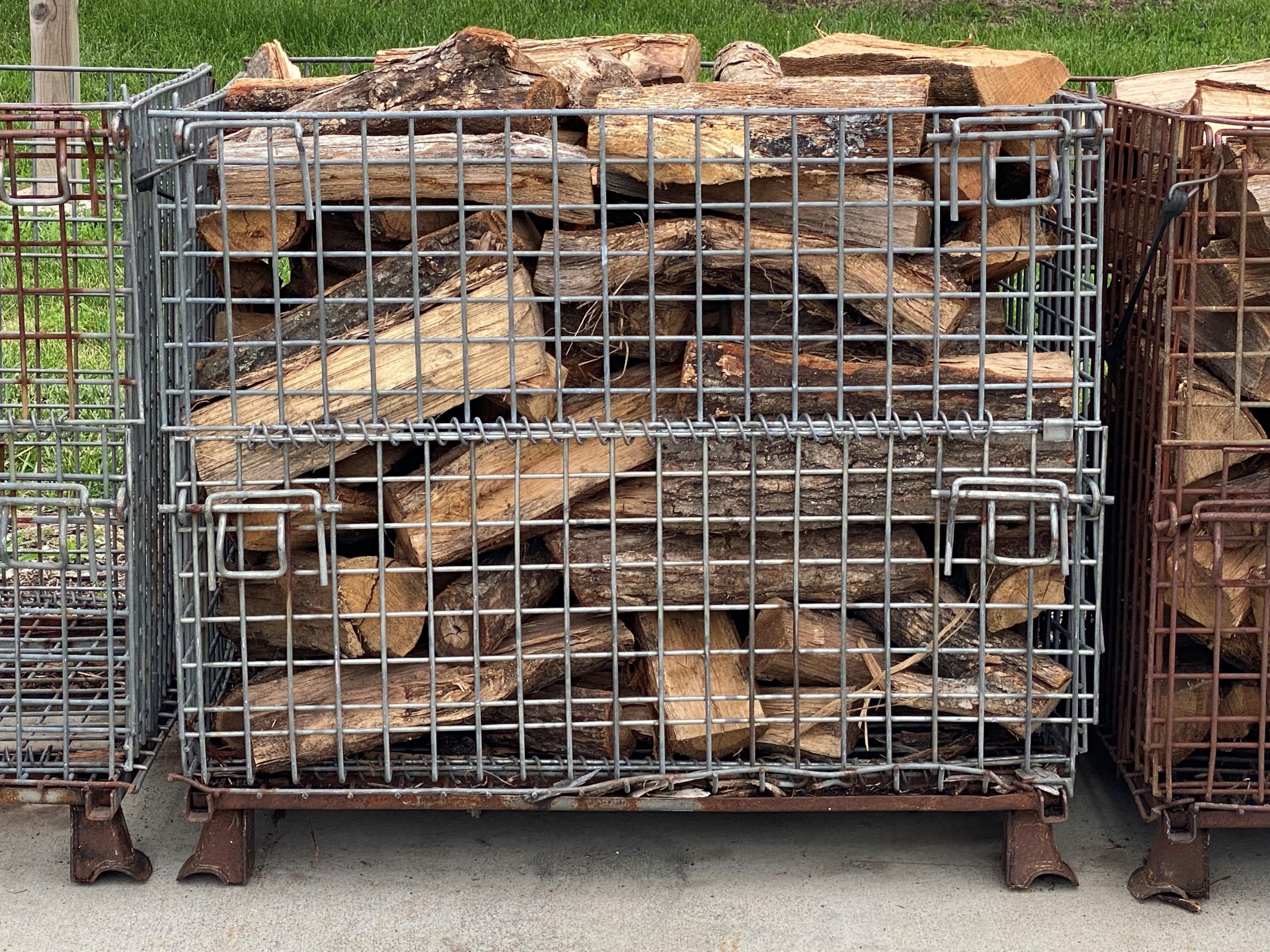
Walk through almost any busy warehouse, automotive plant, or distribution center and you’ll find wire mesh containers doing the heavy lifting. These open-mesh steel bulk containers have earned their place in industrial operations because they solve a fundamental challenge: how do you store, move, and manage large quantities of parts, components, and materials efficiently without losing visibility into what you’re storing? The answer, for thousands of facilities, is wire containers. Their open construction lets workers see contents at a glance, forklifts move them with ease, and overhead cranes hoist them precisely where they need to go. From the assembly line to the shipping dock, wire containers adapt to the workflow rather than forcing the workflow to adapt to them.

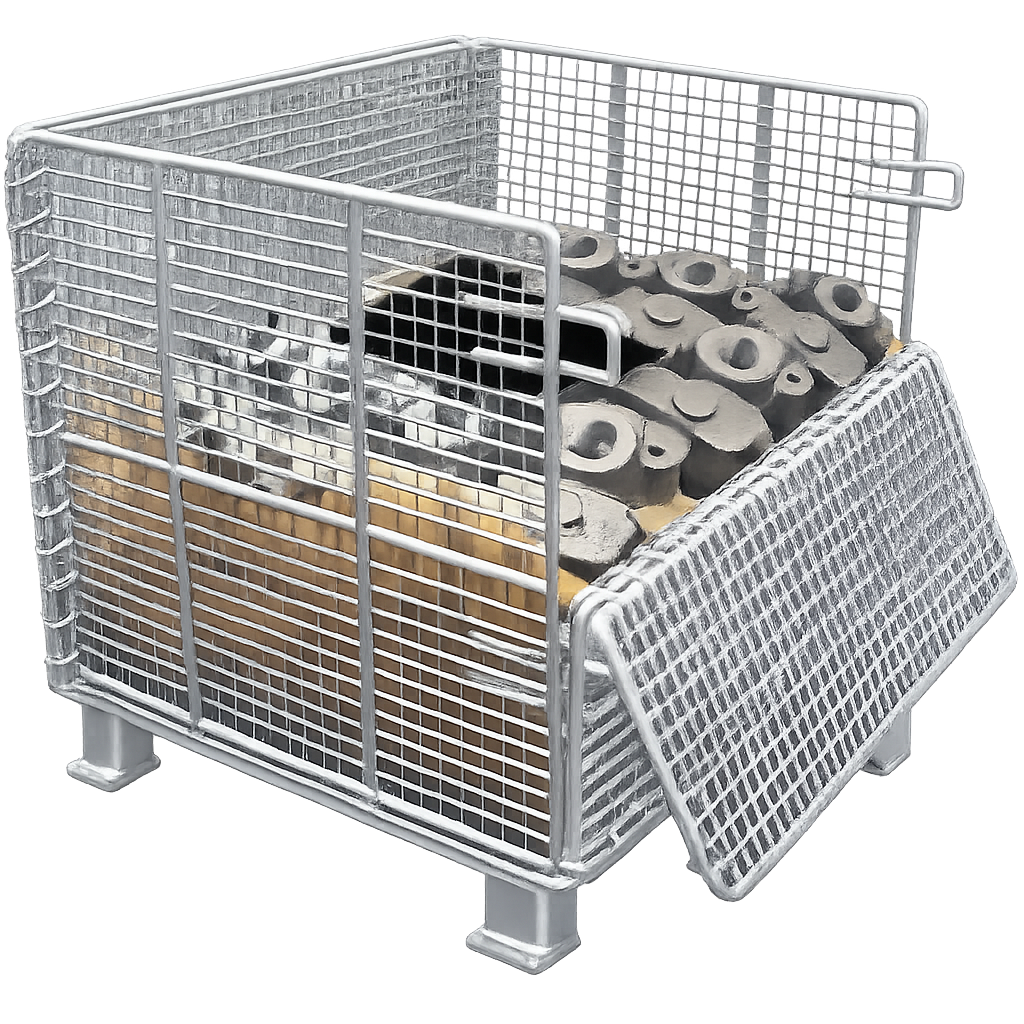
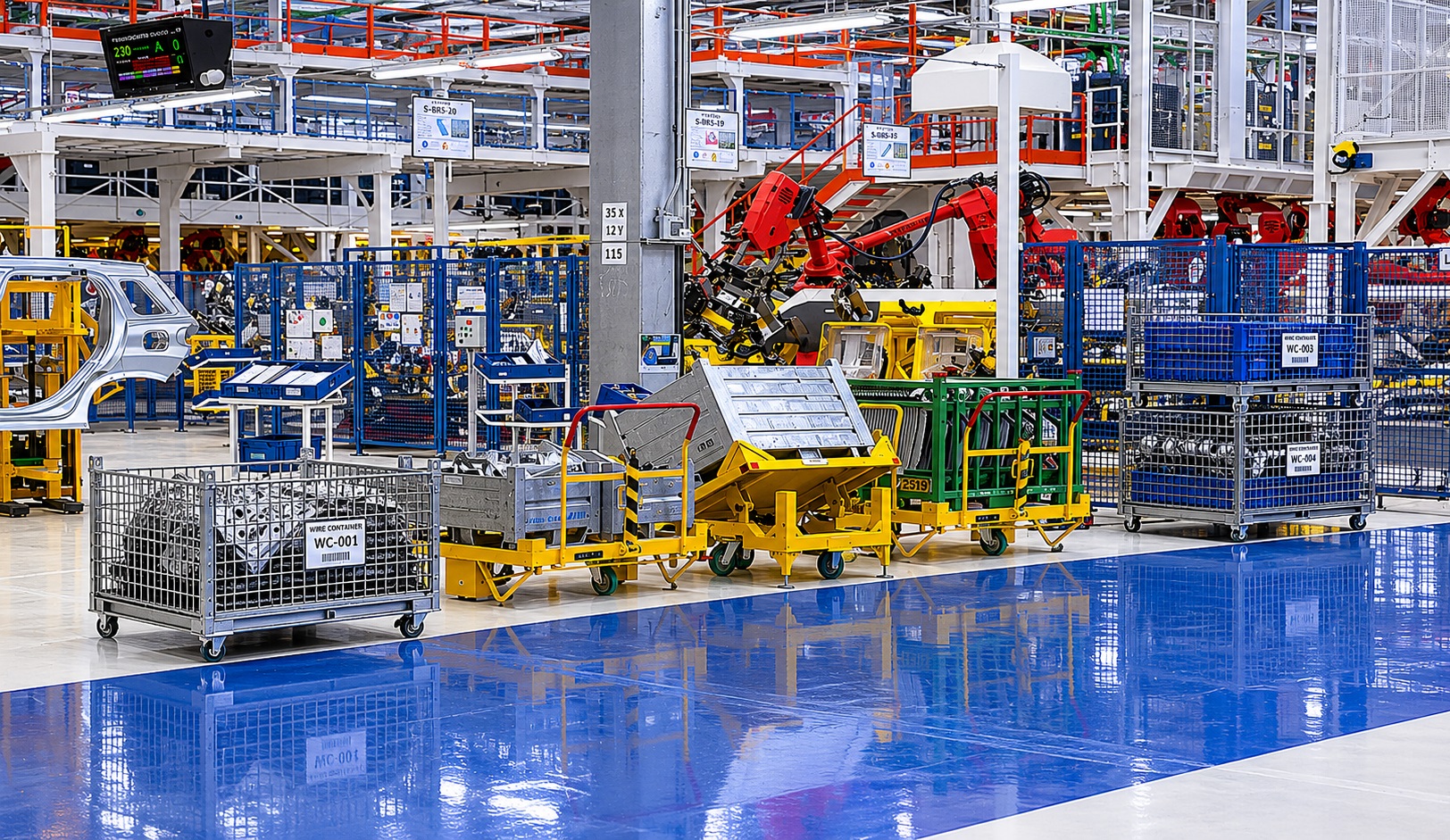
The automotive industry represents one of the largest applications for wire mesh containers, and for good reason. Tier-1 and Tier-2 suppliers rely on wire containers to move stampings, castings, fasteners, and sub-assemblies through production in closed-loop systems where the same containers cycle between suppliers and manufacturers. GM 5131, Chrysler, Daimler, and Ford-compatible container specifications exist precisely because automotive manufacturers recognized the value of standardized containers that integrate seamlessly into their production and logistics systems. The ability to specify containers with drop gates, fork tunnels for tilting and dumping, or crane lifting lugs makes wire containers adaptable to the precise handling requirements of automotive assembly operations where efficiency and damage prevention are priorities.

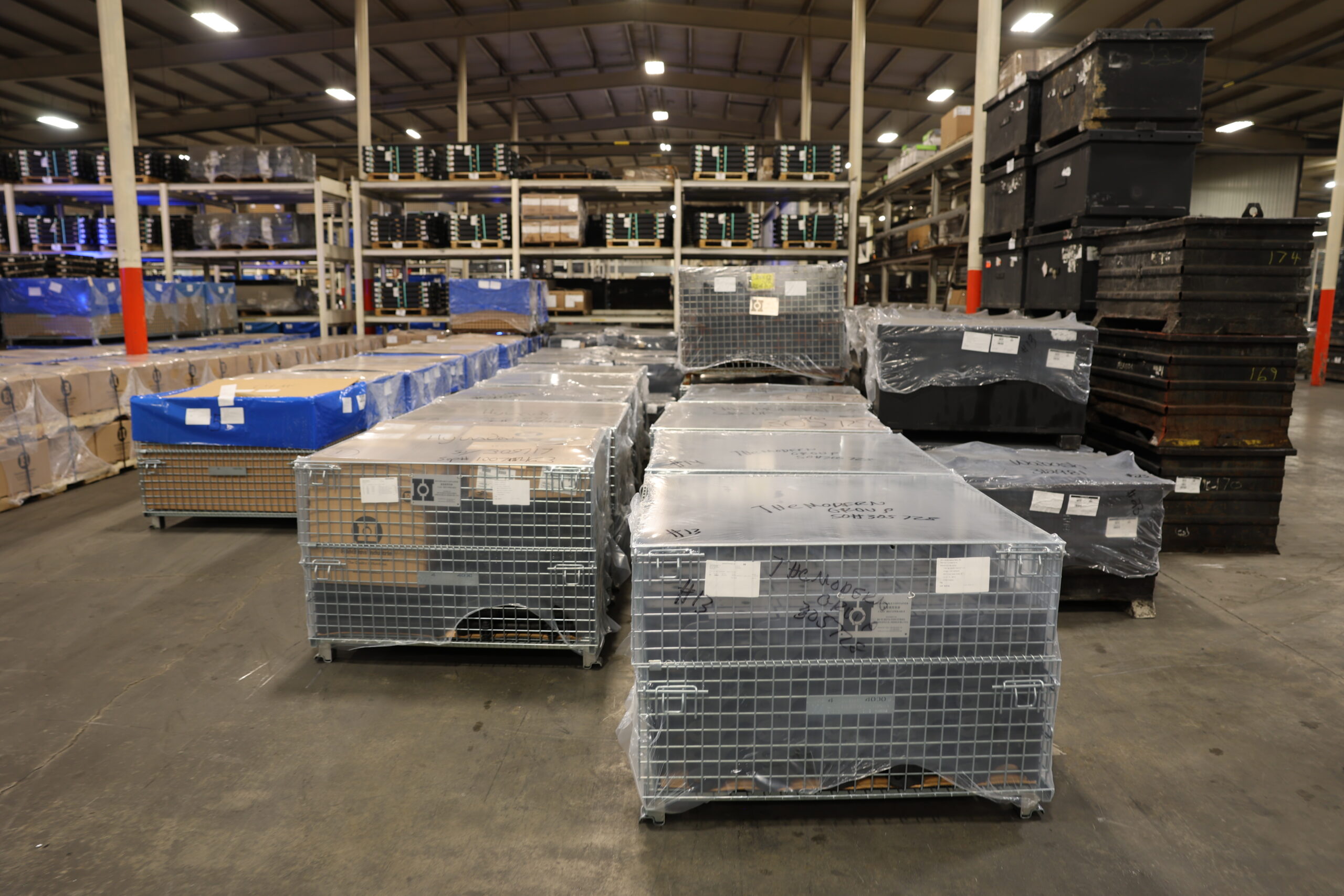
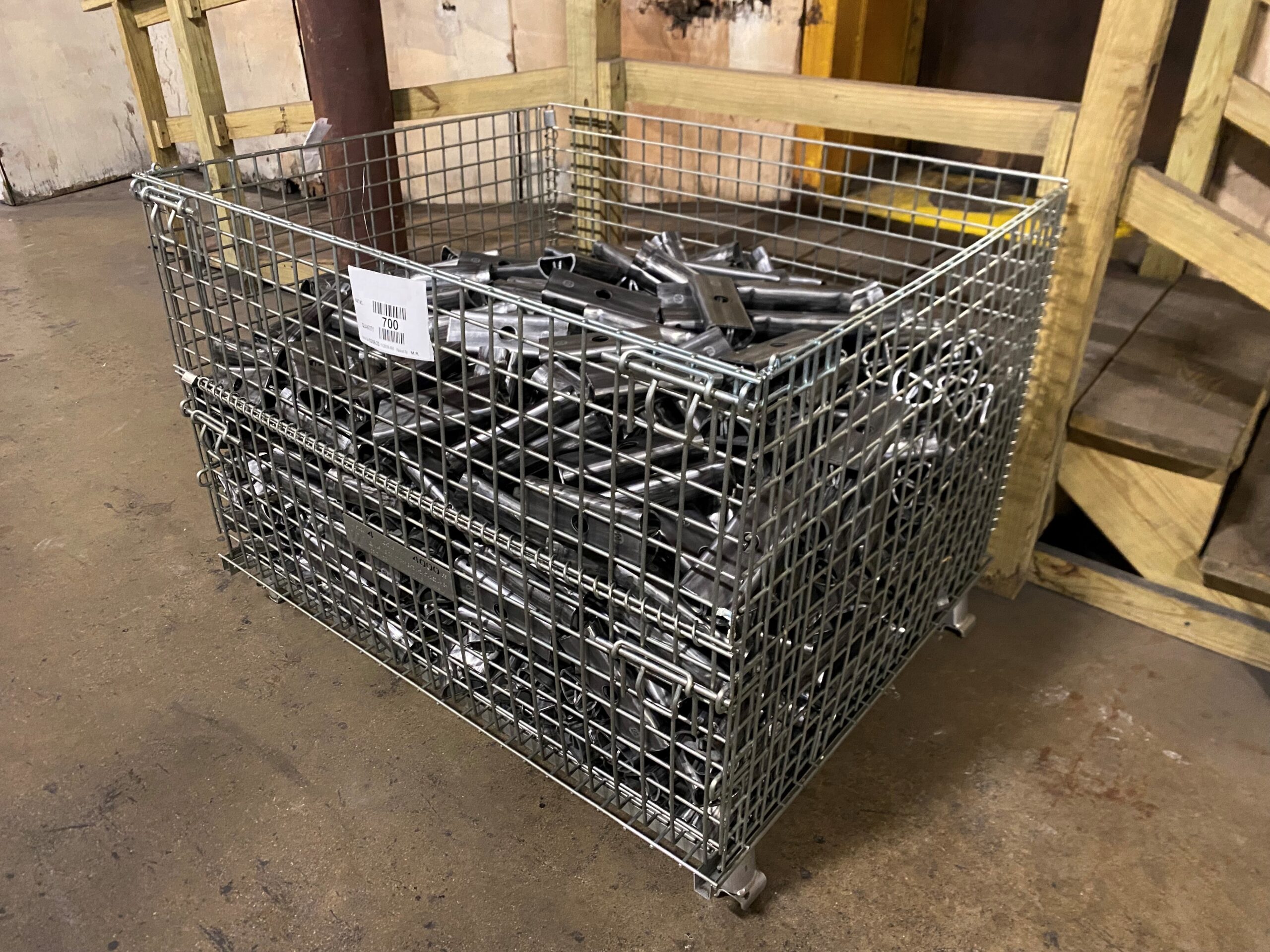
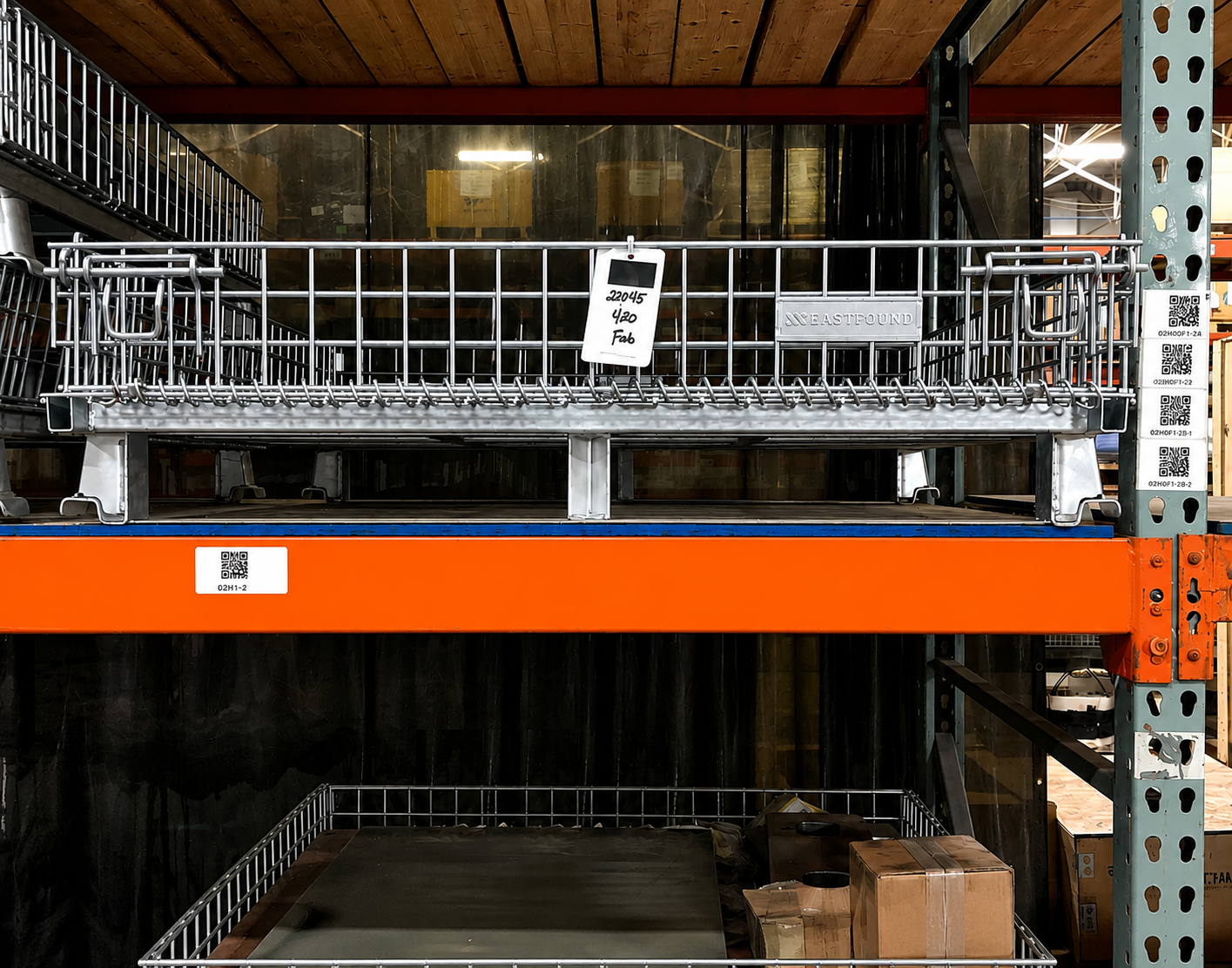
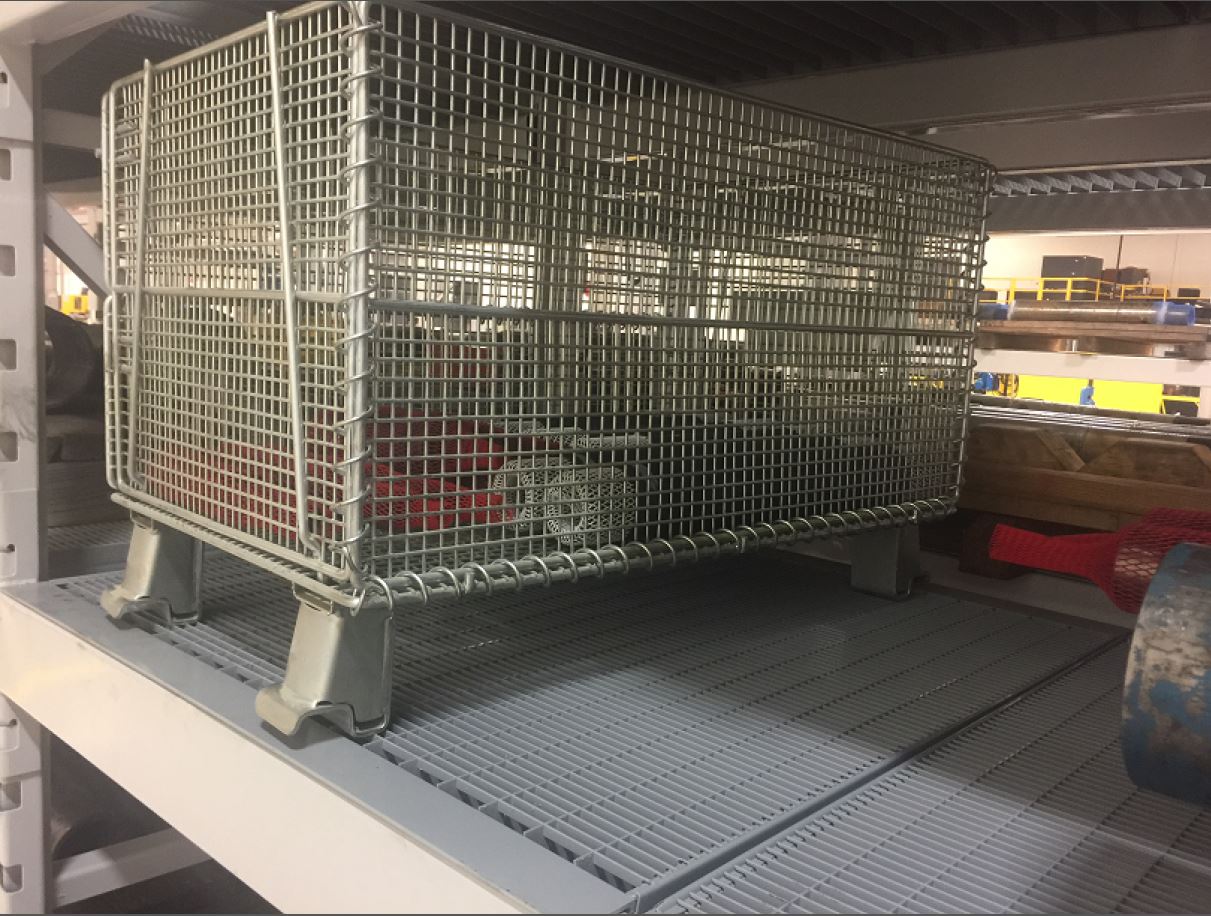
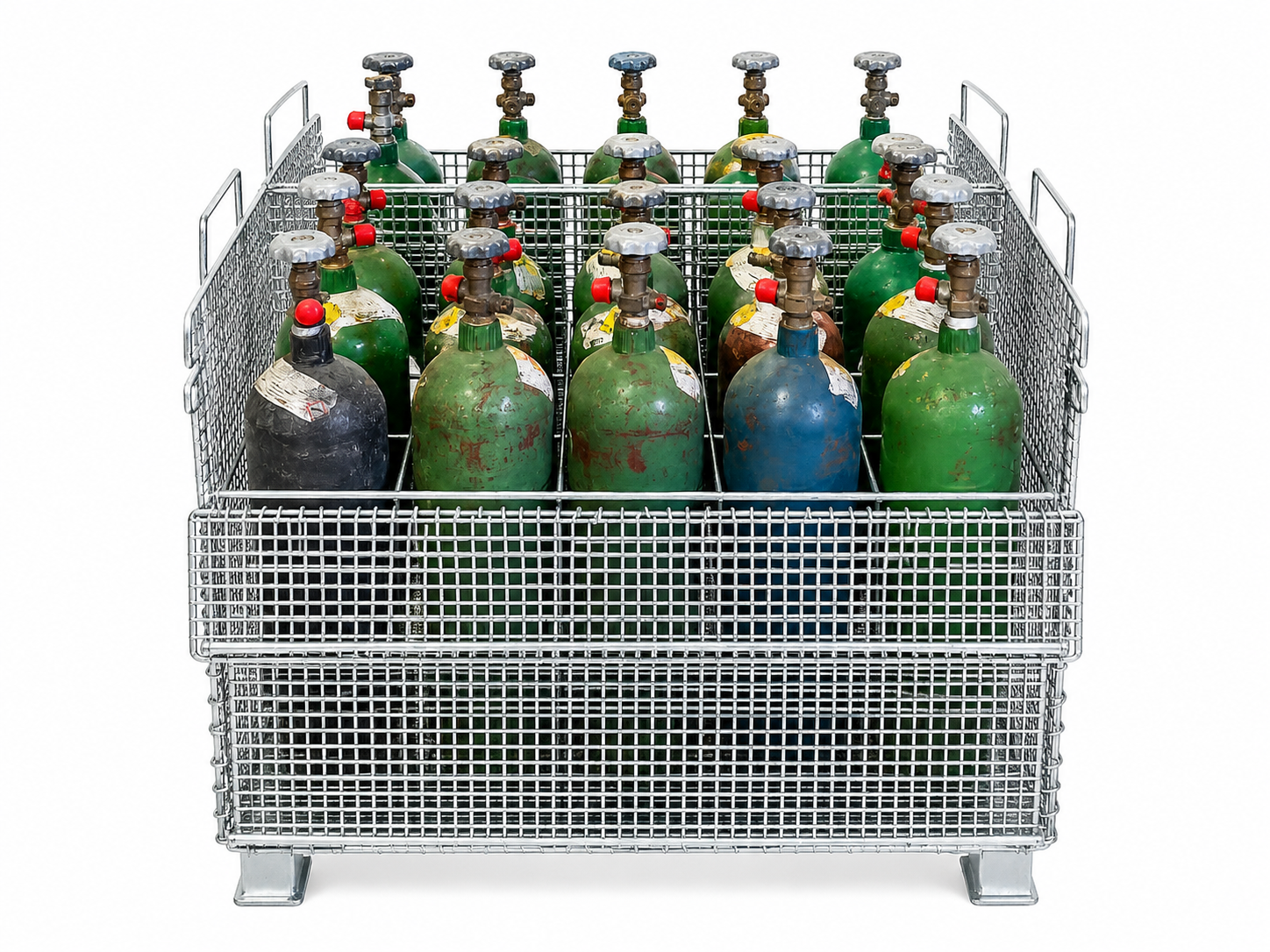
Beyond automotive, wire containers serve applications across manufacturing, distribution, recycling, and construction. Metal fabricators use them to collect and transport scrap and offal between work cells and scrap processing areas. Distribution centers use rackable wire containers to store and organize inventory in high-bay pallet rack systems, taking advantage of the open mesh construction that allows sprinkler systems to operate without obstruction. Food processing and agricultural operations use wire containers for produce, bulk ingredients, and packaged goods where airflow and visibility are essential. Recycling operations depend on wire containers to collect, sort, and transport materials by type, while construction sites use them to stage tools, hardware, and components that need secure storage and easy access throughout the workday.

Showing all 9 resultsSorted by latest
Return logistics and closed-loop supply chains represent another application where wire containers deliver measurable value. Collapsible wire containers fold flat when empty, dramatically reducing the space required for return shipments and lowering freight costs when containers travel back through the supply chain. A truckload that carries 50 loaded containers in one direction can return significantly more empty collapsed containers in the other, improving the economics of container reuse programs. This collapsibility makes wire containers a practical alternative to single-use packaging in operations committed to reducing waste and improving sustainability without sacrificing the strength and protection that industrial materials require during transport.

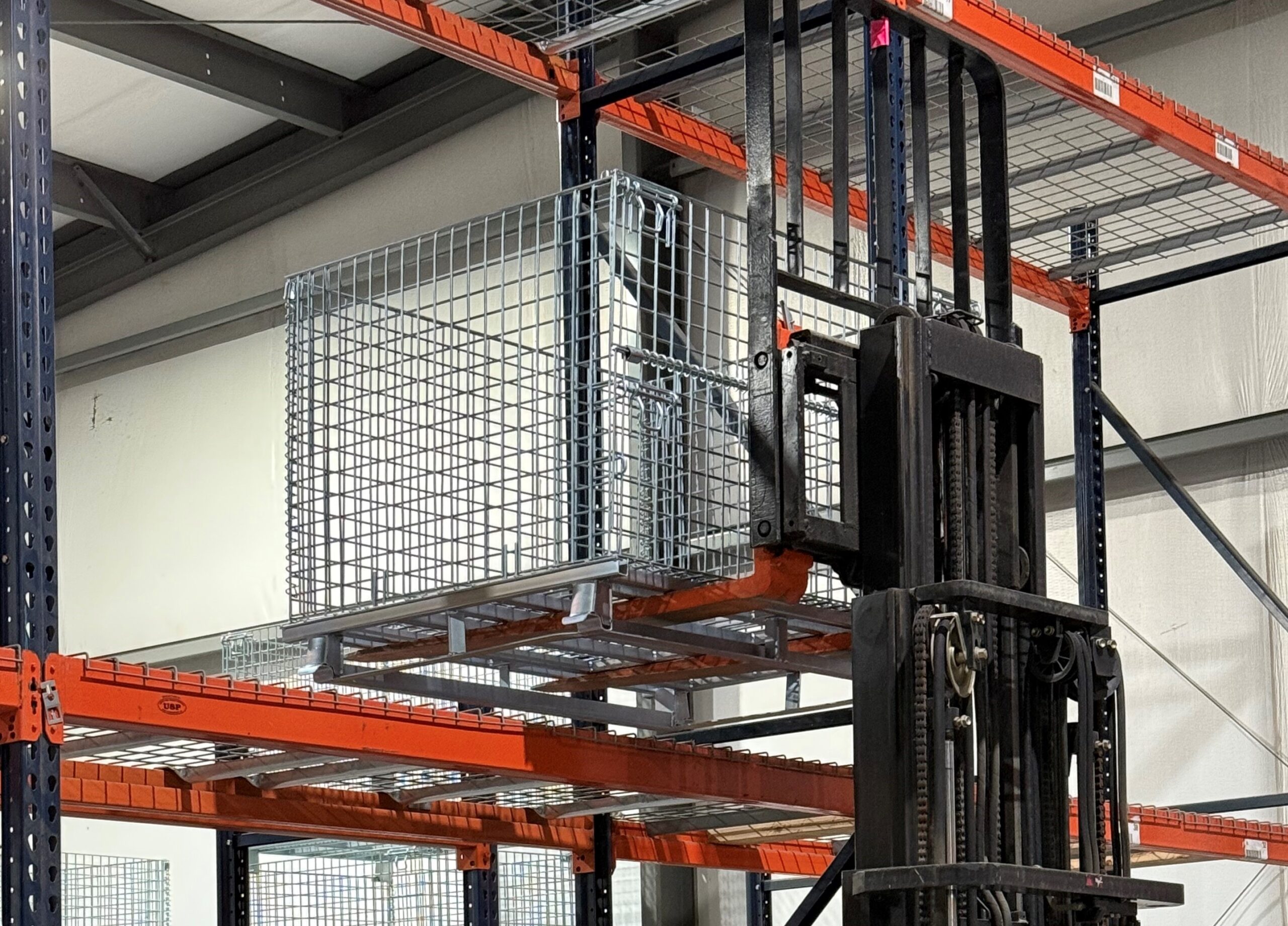
Specialty applications push wire containers even further. Containers with crane lifting lugs serve foundry and heavy manufacturing operations where overhead handling is the only practical way to move dense loads of castings or forgings. Containers with fork tunnels allow automated dumping into hoppers, conveyors, or processing equipment without manual unloading. Rackable wire containers integrate directly into pallet rack storage systems, maximizing vertical cube in facilities that store smaller components that don’t palletize efficiently. Whatever the application, the combination of visibility, strength, handling flexibility, and configurability makes wire containers one of the most versatile and widely used bulk storage solutions in industrial material handling.

Frequently Asked Questions: Wire Container Applications

Note: When making decisions regarding requirements and codes, customers must always check with their local building officials, building inspectors, Fire Marshals, and insurance companies. We also recommend they check with a Professional Engineer (PE) and Seizmicinc.com for seismic requirements in their area.

What national standards and industry benchmarks apply to wire containers used in warehouse and manufacturing applications?

Wire containers used in industrial applications are subject to several standards and guidelines that govern their design, construction, and use. The Rack Manufacturers Institute (RMI), operating under the American National Standards Institute (ANSI), publishes guidelines for storage equipment that include recommendations for container stacking, load ratings, and rack compatibility. For automotive applications, OEM-specific standards such as GM 5131, Ford SMF/MB specifications, and Daimler and Chrysler container requirements define dimensional tolerances, load capacities, and construction standards that containers must meet for acceptance in closed-loop supply programs. The Material Handling Industry of America (MHIA) also provides general performance benchmarks for bulk containers that apply across industries. When sourcing wire containers for specific supply chain applications, verifying compliance with the applicable OEM or industry standard ensures containers perform as required and are accepted at all points in the logistics network.

How do fire safety codes affect wire container storage in pallet rack systems?

Wire containers stored in pallet rack systems are subject to fire safety requirements governed primarily by NFPA 13, the standard for sprinkler system installation, and local fire marshal regulations that enforce flue space and storage height requirements. The open mesh construction of wire containers is an advantage in fire safety applications because it allows water from overhead sprinkler systems to penetrate storage levels and reach the fire source more effectively than solid-sided containers. However, facilities must maintain the required 6″ vertical flue space between containers stored in back-to-back rack rows to ensure sprinkler water penetration meets code requirements. Storage height limits, commodity classifications, and in-rack sprinkler requirements vary by facility type, storage configuration, and local jurisdiction, making it essential to consult with your fire marshal and insurance carrier before configuring high-bay wire container storage. Containers with steel runners stored on wire decking should also be evaluated for proper weight distribution to prevent point load failures that could compromise rack integrity and create additional safety hazards.

What are the best practices for installing wire containers in pallet rack systems?

Installing wire containers in pallet rack systems requires attention to load compatibility, decking selection, and container specification to ensure safe and efficient storage. Containers stored on wire decking must be equipped with steel runners or skid bars that distribute the container’s weight evenly across the decking surface and onto the rack beams, preventing point load failures caused by the container’s feet concentrating weight on small areas of the mesh. Rack beam capacity ratings must be verified against the combined weight of the container and its contents to ensure the system operates within rated load limits. Container dimensions should be matched to bay width and depth to prevent overhang that could interfere with adjacent bays or create unstable stacking conditions. For rackable wire containers designed for high-bay storage, confirming that the container’s stacking posts align correctly with the rack beam configuration ensures stable, secure positioning at each storage level. Consulting with a rack system supplier before configuring wire container storage helps facilities select the right combination of rack components, decking, and container specifications for their specific load and handling requirements.

How should wire containers be inspected and maintained to ensure long-term performance and safety?

Wire containers require regular inspection and maintenance to ensure they continue to perform within their rated load capacities and remain safe for use in stacking, rack storage, and crane lifting applications. Inspections should evaluate the structural frame for bent or cracked welds, damaged or missing mesh panels, and deformed corner posts that could affect stacking stability or load distribution. Drop gates, hinges, fork stirrups, and crane lifting lugs should be checked for proper function, secure attachment, and signs of wear or deformation that could cause unexpected failure during handling. Containers showing structural damage, broken welds, or compromised mesh should be removed from service immediately, as damaged containers can fail under load and create serious safety hazards for workers and equipment in the surrounding area. Establishing a documented inspection schedule, tagging containers with inspection dates, and maintaining records of repairs and replacements supports both operational safety and compliance with insurance and regulatory requirements. Training material handling staff to identify and report container damage during normal operations creates an additional layer of protection that helps facilities catch problems early and extend the service life of their container fleet.