Specialty Stack Racks
Specialty Stack Racks are portable steel storage systems designed for products and material-handling applications that don’t fit neatly into conventional pallet rack or standard stack rack configurations. Depending on the design, these racks can stack vertically, nest together, knock down when empty, convert pallets into stackable storage, support long materials, cradle drums and barrels, or contain cylinders and propane tanks. Common attributes include welded steel construction, forklift accessibility, portable designs, product-specific supports, and configurations that take advantage of unused vertical space. Their biggest advantage is flexibility: instead of dedicating permanent rack space to unusual, seasonal, or changing inventory, Specialty Stack Racks can help increase storage density, protect products from bulk-stacking damage, improve handling, and recover floor space when the racks aren’t needed.
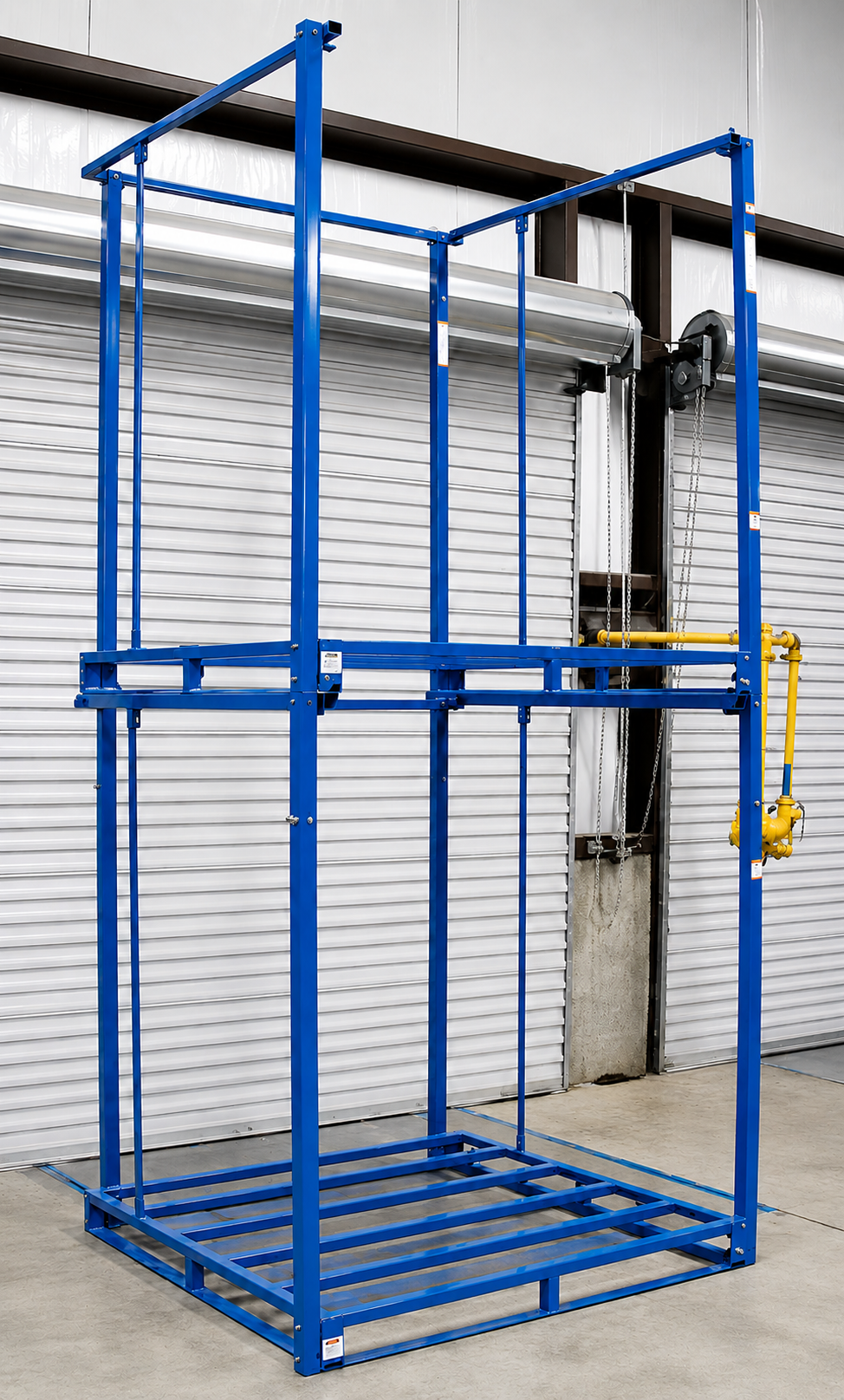
Collapsible Knockdown (KD) Stack Racks with Hinged Corner Posts take one of the best features of a traditional stack rack—the ability to knock it down—and make it even easier. Instead of completely removable corner posts, the posts are hinged to the base. Fold them down when the rack is empty and you’ve got a much more compact unit for storage or return transportation.
There’s another advantage that’s easy to appreciate if you’ve ever managed hundreds of portable racks: the posts stay with the rack. Traditional removable posts can get separated, misplaced, or lost. Hinged posts eliminate that problem while still providing the space-saving benefits of a knockdown design. More empty racks can potentially fit into a return shipment, helping improve trailer utilization and reduce return freight requirements.
Showing all 10 resultsSorted by latest
Collapsible Knockdown (KD) Stack Racks with Hinged Corner Posts
Stackable Steel Pallet for Sheet Storage Replace Costly Custom Wood Pallets
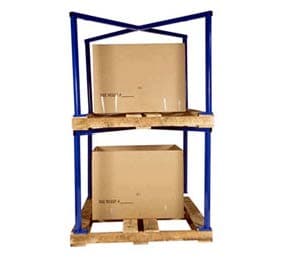
Pallet Stacking Frames
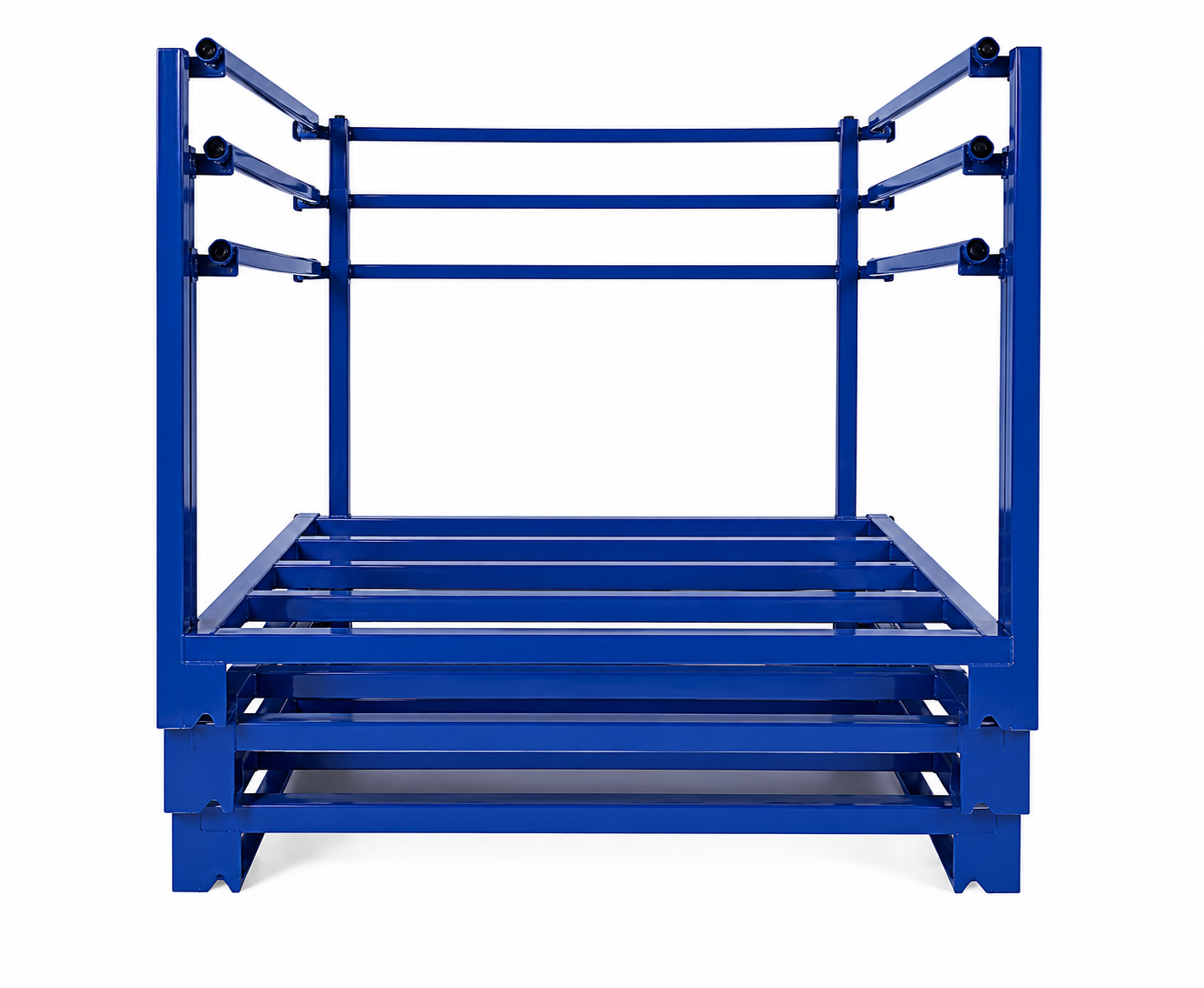
Nestainer Nestable Stack Racks
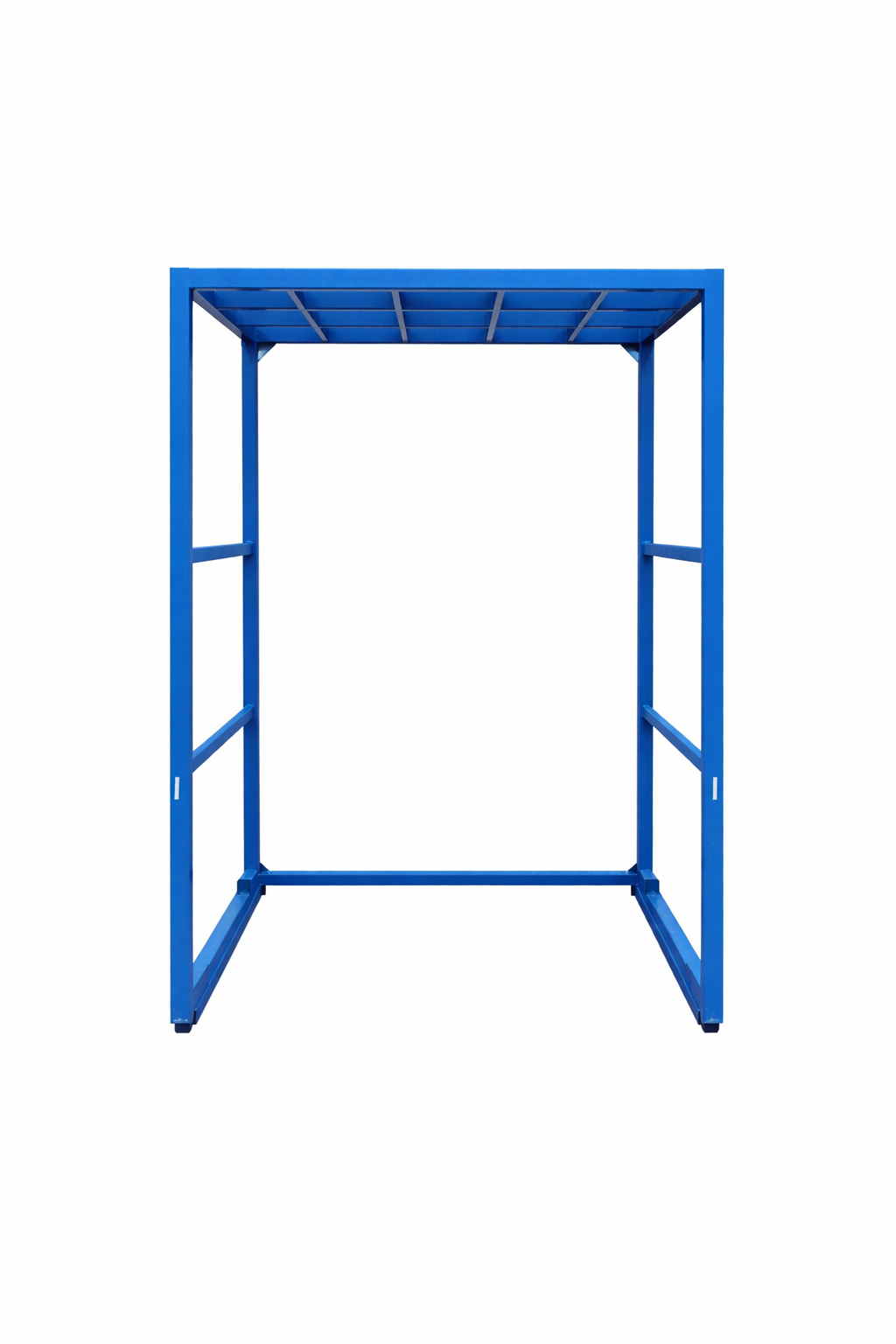
Nestainer Inverted Nestable Stack Racks
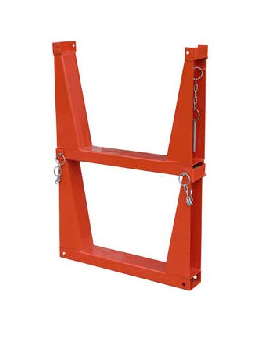
Portable Stacking U-Racks
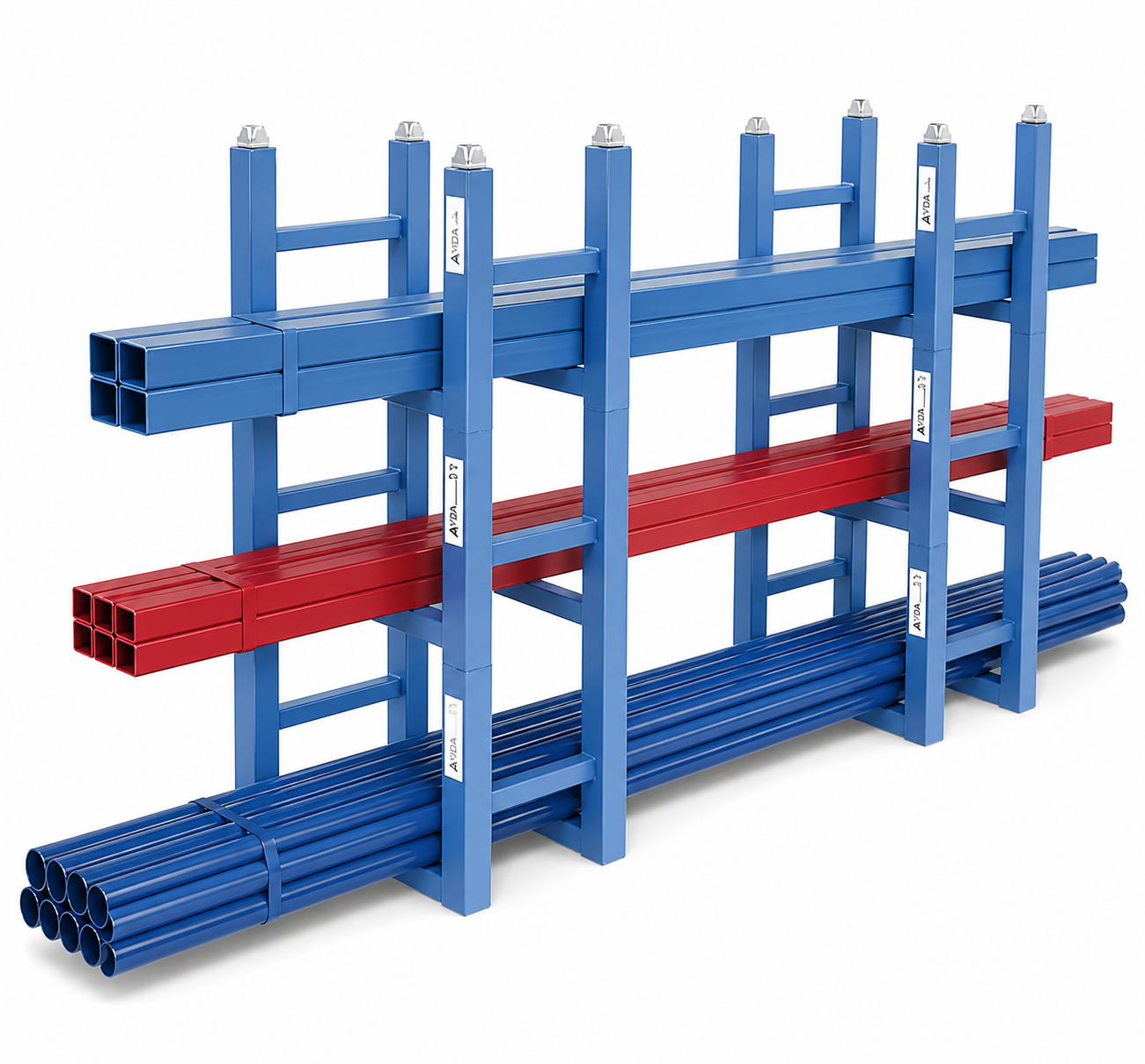
Mini-Module Racking Systems / Stackable Bar Cradles
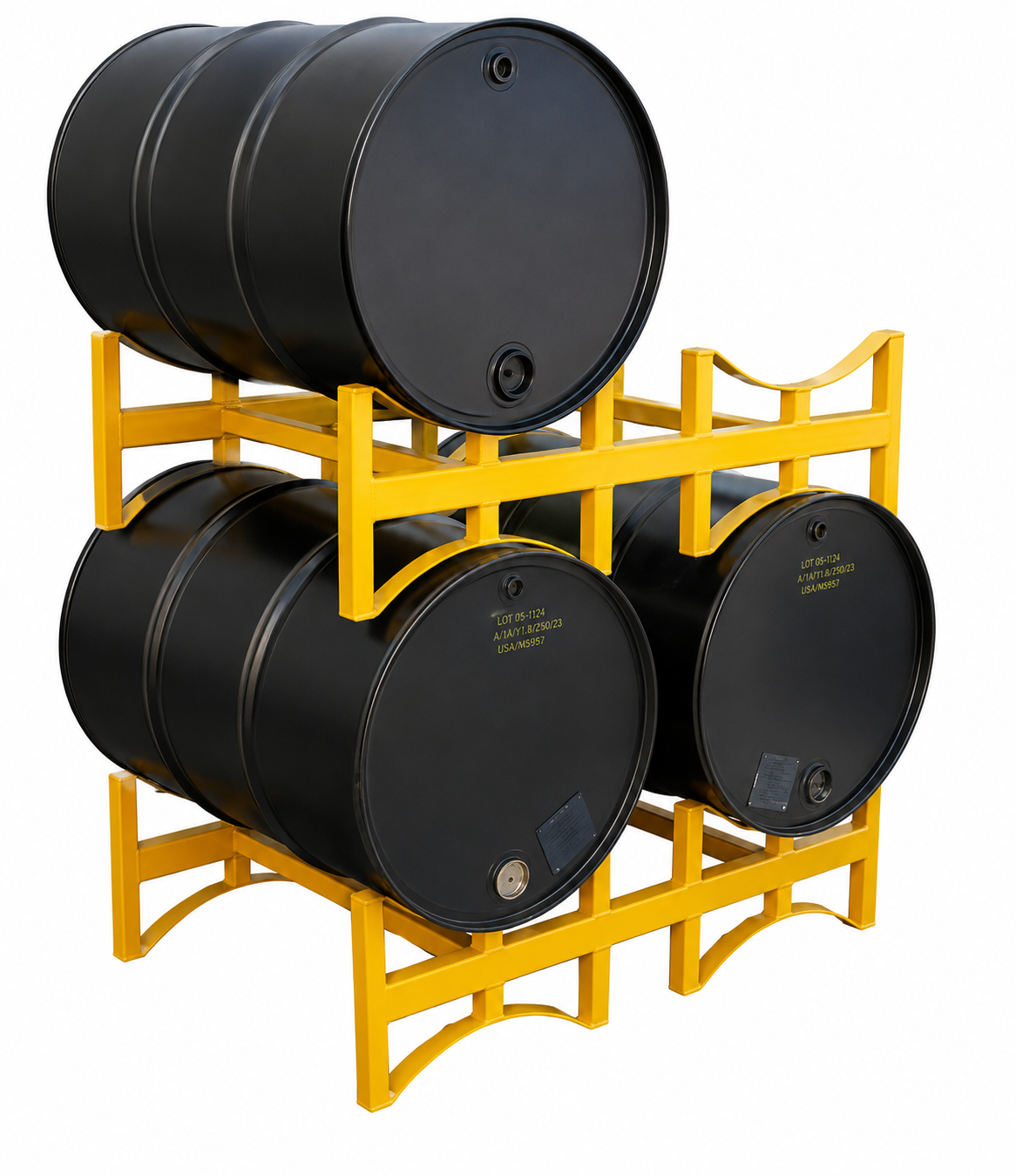
Steel Stackable Drum Racks
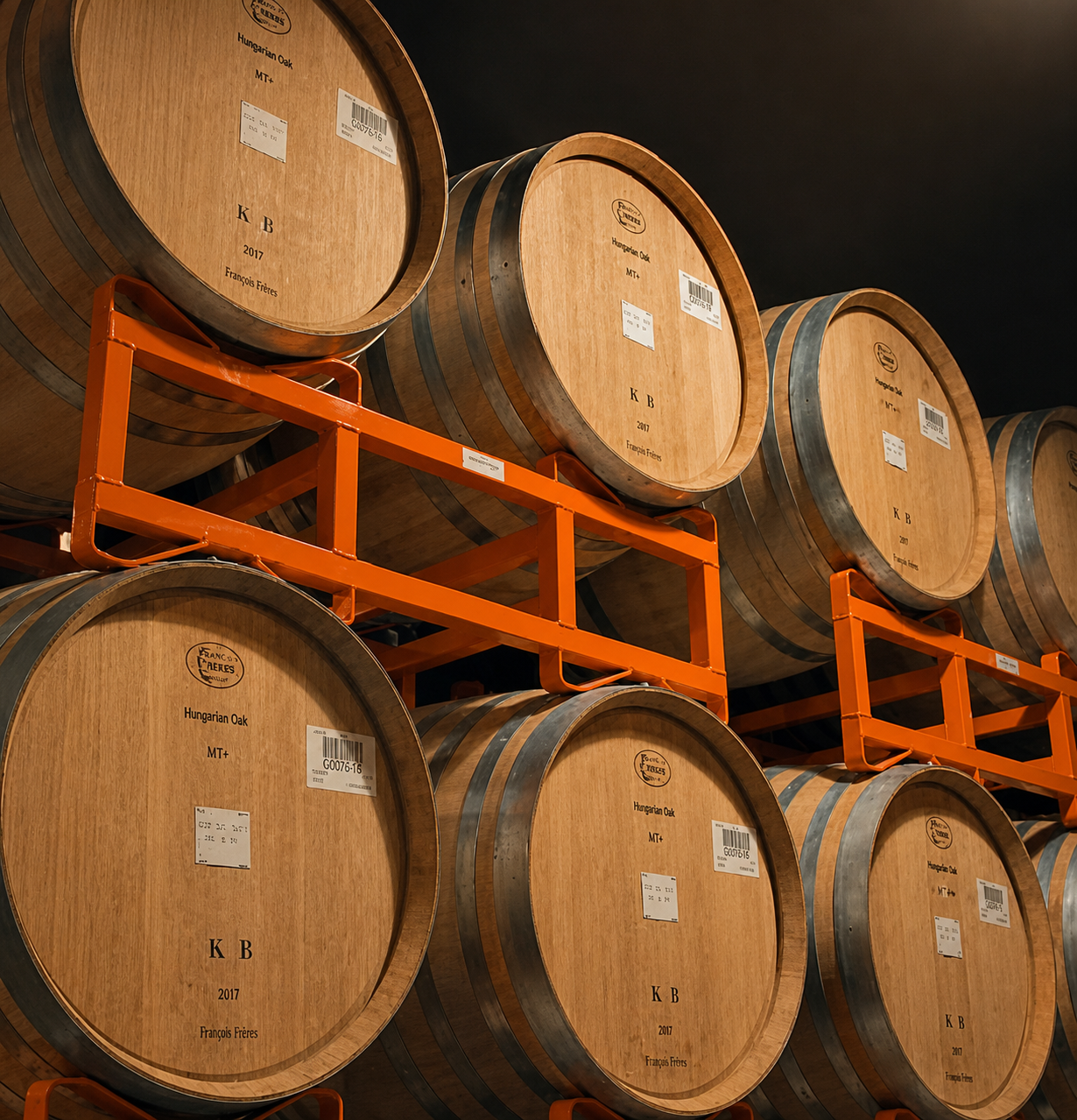
Wine, Whiskey, & Bourbon Barrel Storage Racks
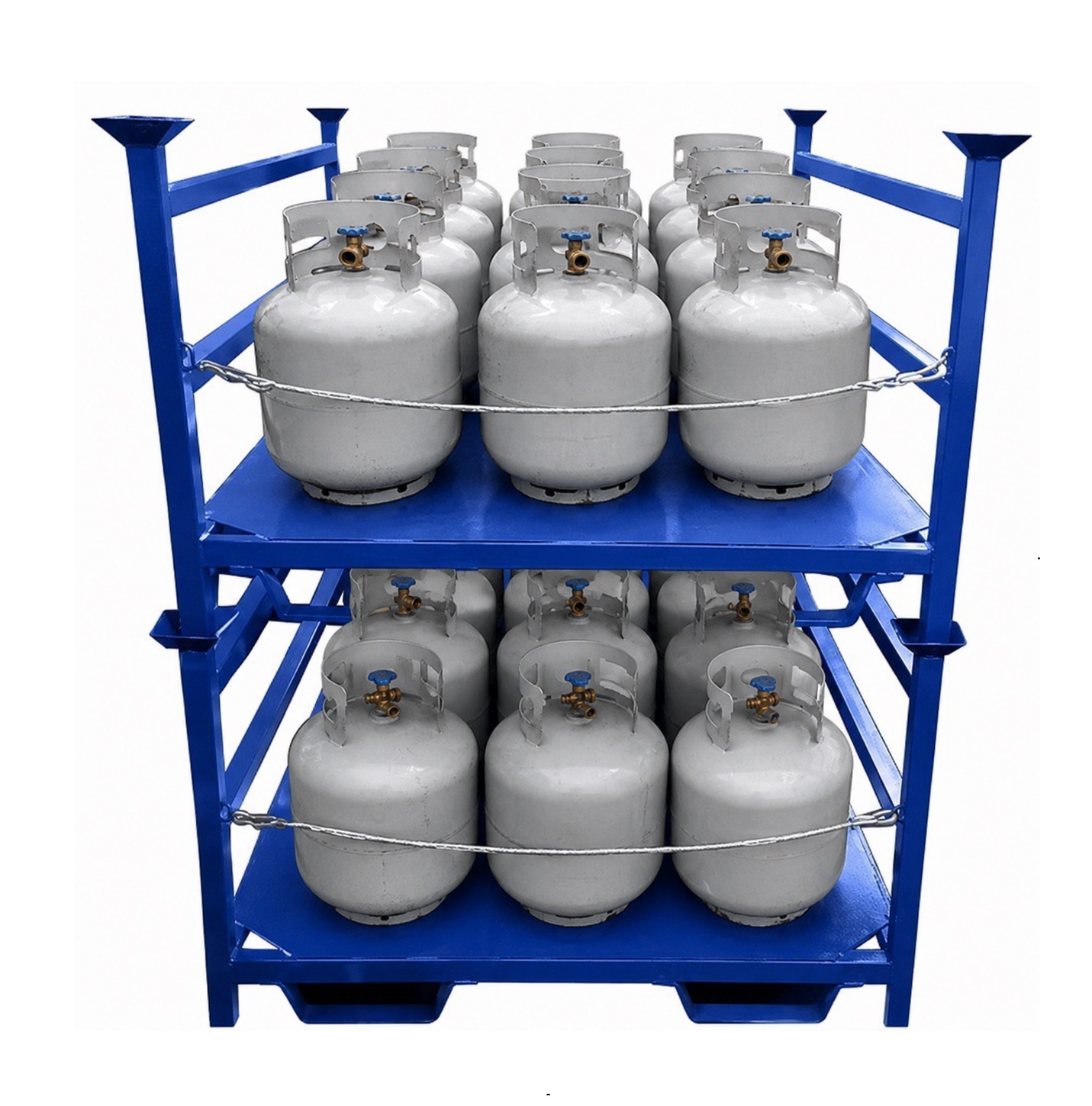
Propane Tank Stack Racks
These racks can be manufactured in different sizes with options and accessories based on the application. Because the hinged-post configuration is custom manufactured in the source product line, dimensions, capacity, load characteristics, and handling requirements should be established before ordering.
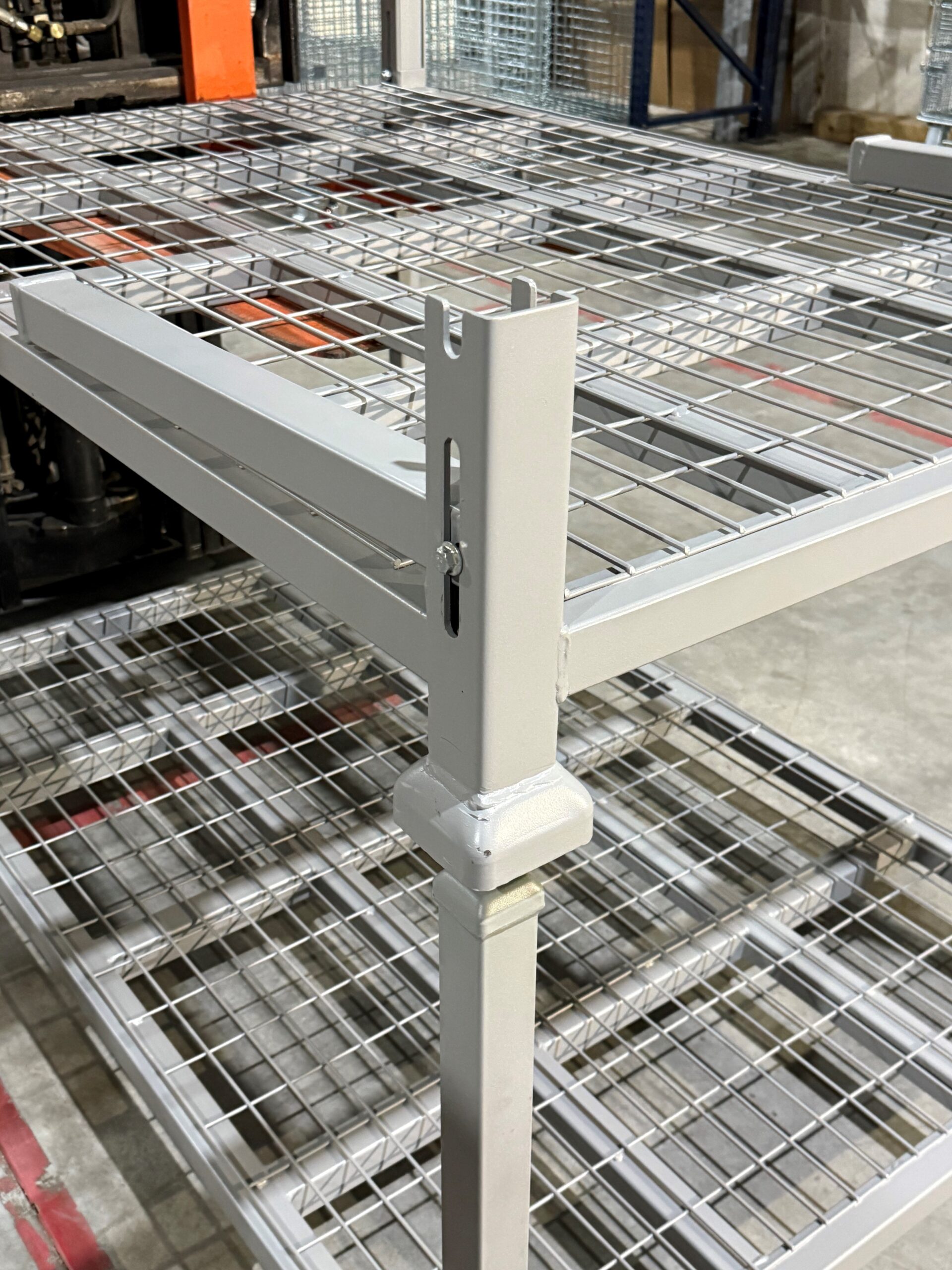
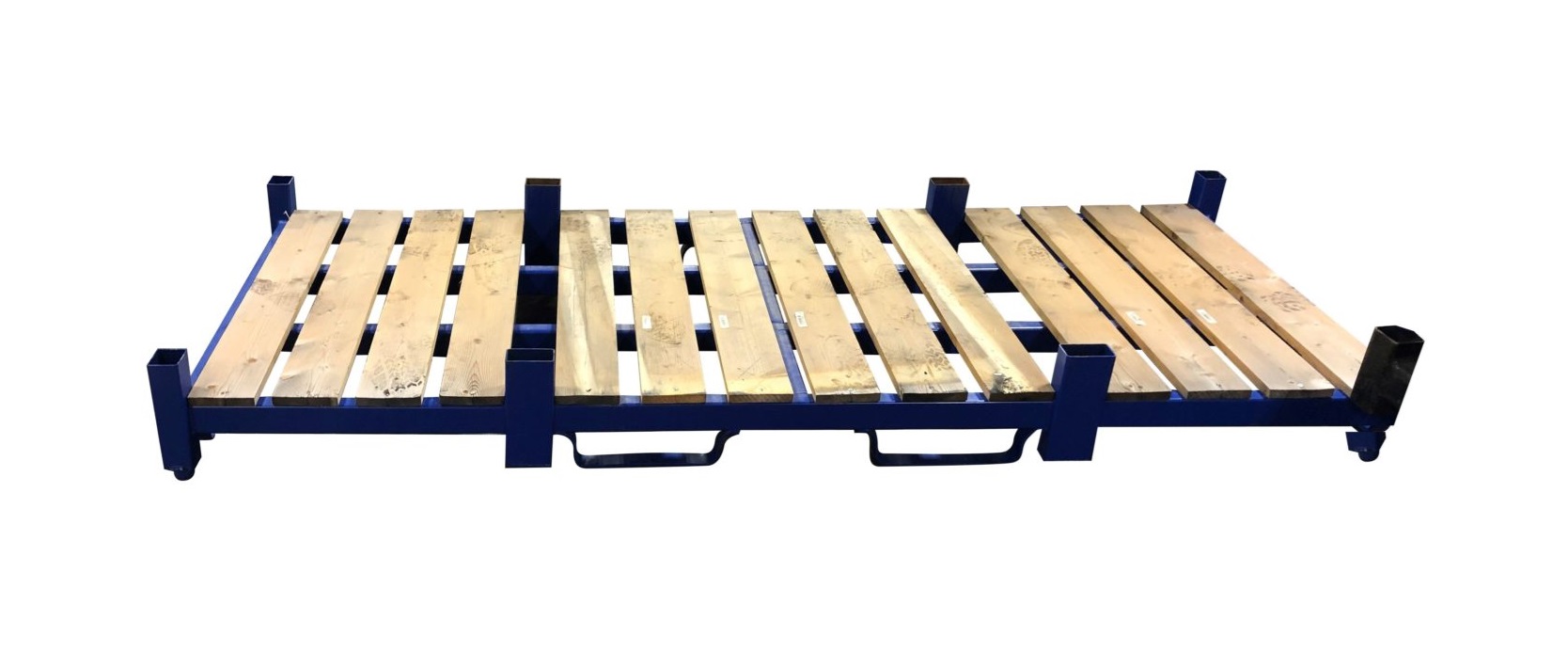
Stackable Steel Pallets for Sheet Storage provide a reusable alternative to costly custom wood pallets, particularly for manufacturers and distributors handling sheet metal and other flat products. Unlike a conventional pallet, the steel design can incorporate corner posts that allow compatible loaded units to be stacked vertically. Fork stirrups or fork tunnels can also be added to improve forklift handling.
The real payoff is service life. Custom wood pallets can become damaged, discarded, or accidentally mixed in with ordinary wood pallets. A purpose-built steel pallet is easier to recognize as a reusable material-handling asset and can provide a longer-lasting solution for closed-loop applications. Steel pallets can be moved around a manufacturing plant, transferred into warehouse storage, and used as shipping racks to help protect products in transit.
Stacking also helps utilize vertical space instead of spreading sheet products across the floor. When properly designed for the load, these steel pallets can reduce damage associated with uncontrolled bulk stacking while making sheet inventory easier to organize and transport.
Got ordinary warehouse pallets but need stackable storage? Pallet Stacking Frames offer a straightforward solution. Corner-mounted frames attach to compatible wood pallets to create a temporary stacking structure, allowing palletized products to utilize vertical space without installing permanent warehouse rack.
The system typically consists of two end frames mounted to the pallet and connected together. When they’re no longer required, the frames can be disassembled for compact storage or return shipping. This makes pallet stacking frames particularly useful for seasonal inventory, temporary overflow storage, super sacks, and applications where permanent rack isn’t needed year-round.
They’re also an economical way to help prevent product damage associated with placing one palletized load directly on another. Instead, the stacking frame carries the load above. Pallet condition, frame compatibility, load weight, stability, and stacking height all need to be considered when designing the system.
Nestainer Nestable Stack Racks combine the advantages of portable stacking racks with space-saving nesting. These all-welded racks can be stacked when they’re loaded and nested together when they’re empty. That makes them a practical choice for facilities that need extra storage capacity during busy periods but don’t want permanent rack occupying valuable floor space when inventory drops.
Nestainers are commonly used for palletized loads, bulk bags, and super sacks. By stacking vertically, they help utilize clear warehouse height and reduce floor-level bulk storage. When empty, the racks nest together to reduce their storage footprint. This flexibility makes them particularly attractive for seasonal inventory and operations where production volumes fluctuate.
Nestable racks can also help protect products during storage and transportation. Instead of placing sensitive loads directly on top of one another, the rack structure supports the units above. And because the racks are reusable, they can become part of a repeatable storage and shipping system rather than disposable packaging.
Nestainer Inverted Nestable Stack Racks take nesting in a different direction. Loaded units can be stacked vertically to take advantage of warehouse clear height, but when they’re empty, the racks are inverted and nested into one another. The result is a compact stack of empty racks that requires considerably less floor and transportation space than non-nesting alternatives.
That feature can be particularly valuable in closed-loop logistics. Empty racks don’t make money, and you don’t want them taking up an entire trailer on the return trip. Nesting allows more empty units to travel together, which can reduce return freight requirements and handling. The source material notes that nesting can reduce empty-rack storage space by approximately 50–75% compared with non-nestable alternatives, depending on the configuration.
Inverted Nestainers are well suited to manufacturing plants, warehouses, and distribution operations handling parts, assemblies, and bulk materials. They provide storage density when they’re working and space efficiency when they’re not—a useful combination for seasonal inventory, fluctuating production, and returnable packaging programs.
Sometimes long-material storage doesn’t need to be complicated. Portable Stacking U-Racks are compact steel supports used in tandem to store pipe, tubing, steel bars, angles, channels, plastic shapes, and other long products. Simply space the U-racks appropriately along the length of the material to create the required support points.
Because U-racks aren’t permanently fixed to the floor, they can be repositioned as product lengths and storage requirements change. They can be used for longer-term warehouse storage or positioned near a workstation to keep frequently used material close to production. That can save steps while keeping bars, pipe, and tubing separated and organized.
Compatible U-racks can also stack vertically according to their rated design, allowing long materials to use overhead space rather than consuming additional floor area. Their simple construction makes them easy to deploy, move, and store when they’re no longer needed.
Think of Mini-Module Racking Systems / Stackable Bar Cradles as small H-frame building blocks for long-material storage. Individual modules can be positioned together and stacked to create storage for pipe, tubing, rod, and bar stock. Their modular construction allows a system to expand in length, width, or height as storage requirements change.
That’s what makes these little racks so useful. You can position support modules according to the length of the material instead of committing to a large fixed rack structure. They can also keep frequently used bar and tubing close to work areas, improving organization while reducing time spent retrieving material.
Mini-Module racks can function as ongoing storage or be disassembled, moved, and stored when they’re no longer required. For facilities with changing product lengths or production layouts, that adaptability can be a major advantage over a permanently installed system.
Steel Stackable Drum Racks are purpose-built portable racks designed to store drums horizontally while utilizing vertical warehouse space. Formed steel cradles support the drums on their sides, while the welded rack structure allows compatible units to be stacked according to the manufacturer’s rated configuration.
The design makes drum handling much easier than simply trying to organize individual drums on the floor. The source product stores two drums side by side and provides forklift access from all four sides, giving operators flexibility when moving racks around a facility. Instead of dedicating permanent shelving to drum storage, the entire loaded rack can be repositioned when operational needs change.
These racks are particularly useful where floor space is limited. By combining horizontal drum storage, forklift handling, and vertical stacking, facilities can organize drum inventory in a relatively compact footprint while reducing manual handling.
Wine, Whiskey, & Bourbon Barrel Storage Racks bring the same portable stacking concept to wood barrel storage. Formed steel cradles support barrels horizontally, while the welded rack structure provides a reusable platform for handling and stacking. The source product line includes two-barrel racks designed for a range of oak barrel sizes and Bordeaux and Burgundy barrel shapes.
For wineries, distilleries, and barrel-storage operations, portability is a major advantage. Compatible racks can be handled with forklifts and other suitable barrel-handling equipment, allowing barrels to be moved and reorganized without creating a permanent rack layout. Vertical stacking also helps increase storage density in facilities where floor space is valuable.
The source design uses all-steel construction with formed steel cradles and four-way forklift accessibility. As with any barrel-storage application, the rack needs to be matched to the actual barrel diameter, shape, capacity, weight, and handling equipment rather than assuming every barrel fits the same cradle.
Propane Tank Stack Racks are specialized portable racks designed to organize, contain, transport, and vertically stack compatible propane tanks or cylinders. Unlike a general-purpose stack rack, these units can incorporate solid steel decking, heavy-duty bases, fork stirrups, corner posts, and chains or other containment features appropriate to the cylinder configuration.
Cylinder dimensions make proper support especially important. Short propane cylinders and tall compressed-gas cylinders present different containment challenges, so the rack should be designed around the actual product. The source configuration uses corner posts and chains to help stabilize cylinders, with removable-post designs also available when knockdown storage is desired.
These racks can be useful for both storage and transportation, but propane and compressed-gas cylinders bring additional safety and regulatory considerations that don’t apply to ordinary inventory. The rack itself is only one part of the storage system. Cylinder condition, valve protection, ventilation, separation, quantities, ignition sources, vehicle transportation, and applicable fire and safety requirements all need to be addressed for the particular facility and material.
Why Choose Specialty Stack Racks?
The whole idea behind Specialty Stack Racks is to design storage around the product instead of forcing the product into a conventional rack. Sheet metal needs a different solution than pipe. Barrels need cradles. Drums need containment. Seasonal palletized products may benefit from removable frames. Returnable shipping racks need to nest or knock down efficiently. Specialty Stack Racks give us the flexibility to address each of those challenges differently.
Tell us what you’re storing, its dimensions and weight, how you handle it, how high you want to store it, and whether the rack needs to travel between facilities. From there, we can help determine whether a hinged-post rack, steel pallet, Nestainer, U-rack, Mini-Module system, drum rack, barrel rack, or another custom stack rack makes the most sense.
Frequently Asked Questions About Specialty Stack Racks
How do I choose the right Specialty Stack Rack design?
Start with the load—not the rack. Determine the product dimensions, weight, center of gravity, quantity, required support points, and whether the material can safely support another load above it. Then consider how the rack will be handled: forklift, pallet jack, manually, or with other equipment. Also decide whether nesting, knockdown capability, return shipping, or portability is important. Those details help determine which Specialty Stack Rack design best fits the operation.
Do Specialty Stack Racks need to be anchored or professionally installed?
Many Specialty Stack Racks are specifically designed to remain portable and therefore don’t install like permanent pallet racking. Nestainers, U-racks, drum racks, barrel racks, and similar products can generally be placed and moved according to their intended design. Pallet stacking frames and modular systems do require correct assembly and positioning. Always follow the manufacturer’s instructions and confirm that floors are level and capable of supporting the loaded rack.
How high can Specialty Stack Racks be stacked?
There is no universal stacking height for all Specialty Stack Racks. The source material describes several products capable of stacking multiple units high, but the allowable height depends on the specific rack’s rated design, load weight and distribution, product dimensions, floor conditions, stability, rack condition, and application. Never assume that because one stack rack can be stacked four or five high, another design can do the same.
Are there additional requirements for drum, barrel, propane tank, or cylinder racks?
Yes, particularly when hazardous or regulated materials are involved. Storage requirements can depend on the contents of the drum or cylinder, quantities stored, whether storage is indoors or outdoors, fire protection, ventilation, separation distances, and locally adopted fire and building codes. Propane and compressed-gas storage can be subject to specific OSHA, fire-code, NFPA, transportation, and local requirements. Before designing these applications, verify the current requirements with the manufacturer, safety professional, fire protection professional, insurer, and local authority having jurisdiction.




