Pallet Rack Hardware
Pallet Rack Hardware includes the anchors, row spacers, leveling shims, beam connectors, locking pins, clips, bolts, and other small components used to properly assemble and maintain a pallet rack system. They may not be the biggest pieces of rack, but they do some very important jobs. Floor anchors secure upright footplates to concrete, row spacers connect back-to-back rack rows, shims help level uprights, and beam locks help prevent accidental beam disengagement. Because pallet rack manufacturers use different column profiles, hole patterns, beam connectors, and footplates, hardware isn’t always interchangeable. Selecting the correct component for the rack brand and configuration helps simplify installation, maintain proper alignment, reduce unwanted movement, and keep the rack assembled as it was designed.
The 1/2″ x 5-1/2″ Hilti Anchor is a pallet rack floor anchor used to secure upright frame footplates to a concrete slab. Uprights carry the vertical load of the rack system, and anchoring the base helps keep those frames properly positioned and resist movement during normal warehouse operation.
Floor anchors become particularly important in facilities where lift trucks operate close to the rack. Anchoring can’t make a rack immune to forklift damage, but it helps keep the base of the upright secured to the floor. Anchor type, diameter, embedment, quantity, edge distance, concrete condition, footplate design, and installation torque all need to match the rack design and project requirements.
Showing all 14 resultsSorted by latest
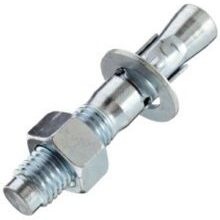
1/2″ x 5-1/2″ Hilti Anchor. PN. U0074596 | Pallet Rack Floor Anchors
1/2″ x 4-1/4″ Anchor. PN. T0034139 | Pallet Rack Floor Anchors
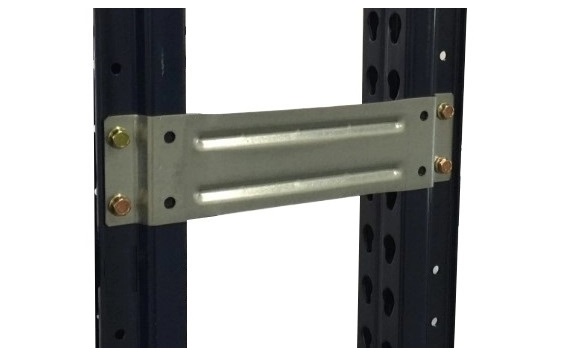
8″ Mecalux Rigid Row Spacer. New. Includes Hardware. PN. T0047972
12″ Mecalux Rigid Row Spacer. New. Includes Hardware. PN. T0047975
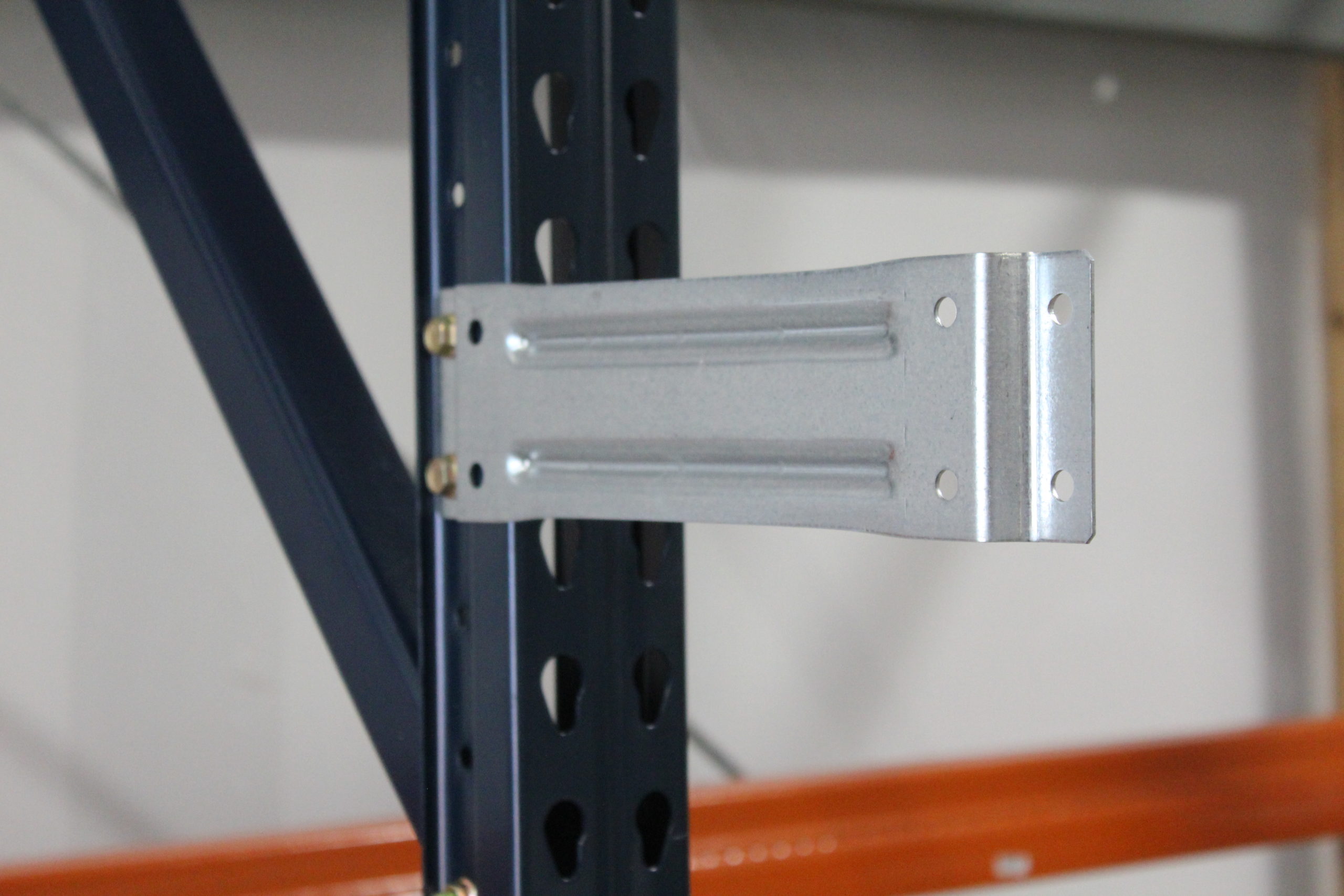
Mecalux Pallet Rack Rigid Row Spacers
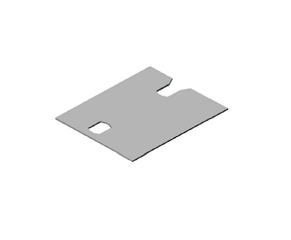
4-11/16″ d. x 5-5/16″ w. x 1/8″ Mecalux Pallet Rack Leveling Shims. Part Number: T0200872
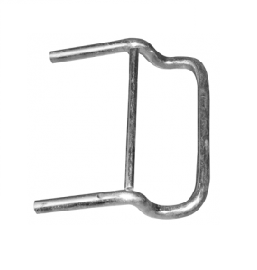
4″ Speedrack Beam Connectors (Suitcase Handle)
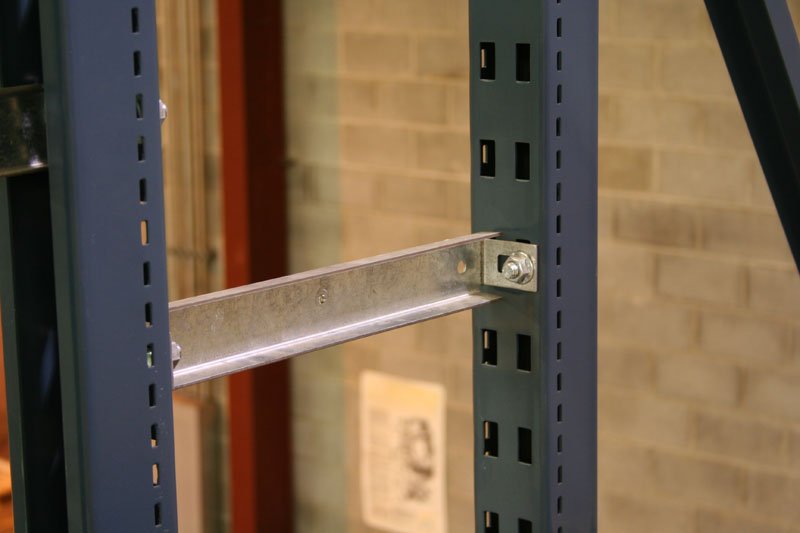
Universal Fit Row Spacers for Pallet Rack
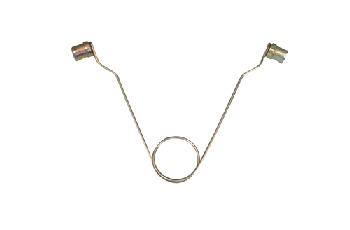
Ridg-U-Rak PP-500 Pinch Pin Beam Clips
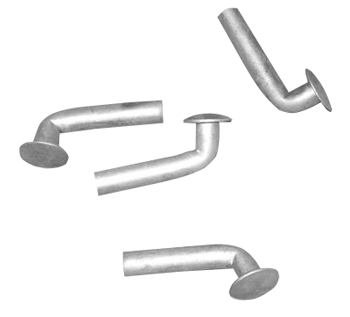
J-Bolts | Locking Pins for Pallet Rack
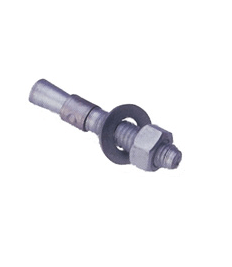
Concrete Lag Bolts | Pallet Rack Floor Anchors
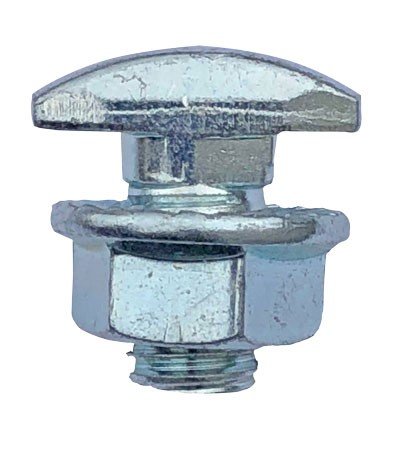
UNARCO T-Bolts | T Bolts
CL-Clip Ridg-U-Rak Beam Safety Clip
Sturdi-Bilt S-303H Wedge Lock Beam Connector Clip
Don’t assume one anchor specification works for every warehouse. Seismic conditions, slab characteristics, rack configuration, and locally adopted building requirements can change the anchorage design. Follow the rack manufacturer’s engineering information and the approved project drawings when selecting and installing floor anchors.
The 1/2″ x 4-1/4″ Anchor provides another floor-anchor option for securing compatible pallet rack upright footplates to concrete. Like the longer 5-1/2″ anchor, its job is straightforward: create a mechanical connection between the rack base and the supporting slab.
The difference in anchor length doesn’t mean one is automatically better than the other. The correct anchor depends on the required embedment, concrete slab, footplate, rack engineering, and installation requirements. That’s why anchors should be selected from the rack design rather than simply choosing the longest bolt available.
Before drilling, lay out the rack, verify column locations and alignment, and confirm the required anchor specification. Once the concrete is drilled, moving an improperly positioned rack becomes a much bigger job.
An 8″ Mecalux Rigid Row Spacer is a steel component designed to connect compatible back-to-back Mecalux pallet rack upright frames and maintain a consistent distance between them. The spacer bolts to the uprights and includes the necessary attachment hardware.
Row spacers do two useful jobs at the same time. First, they tie compatible back-to-back frames together, helping maintain alignment and stability. Second, they establish a consistent spacing between the rows. That controlled distance is important when a rack layout is designed to maintain a longitudinal flue space between back-to-back pallet loads.
The 8″ dimension refers to the spacer itself and shouldn’t automatically be interpreted as a universal required flue-space dimension. Required spacing depends on the storage arrangement, pallet overhang, commodity, sprinkler design, adopted fire requirements, and the authority having jurisdiction. The rack layout and fire-protection design should establish the required spacing before the row spacers are selected.
The 12″ Mecalux Rigid Row Spacer performs the same basic function as the 8″ version but establishes a wider connection between compatible back-to-back Mecalux upright frames. It helps maintain consistent row spacing while tying the two rack rows together.
Why would you need 12″ instead of 8″? The answer comes down to the rack and storage design. Pallet dimensions, load overhang, upright depth, required clearance, and the intended longitudinal flue space can all affect row spacing. A wider spacer may be needed to achieve the designed relationship between the racks and stored loads.
Because this is Mecalux-specific hardware, compatibility matters. Verify the upright model, connection locations, spacer dimensions, and required hardware rather than assuming a generic spacer will provide the same fit.
If you’re buying back-to-back pallet rack, don’t forget the Mecalux Pallet Rack Rigid Row Spacers. They’re simple steel bars with connection holes at each end, but they make rack installation a lot easier by helping maintain uniform spacing between adjacent upright frames.
It’s much easier to install row spacers while the rack is being erected than to add them later. Once rows are assembled, loaded, and anchored, you may discover that individual frames aren’t positioned at exactly the same distance from one another. Trying to pull everything back into alignment after the fact can turn a simple accessory installation into a much bigger project.
The number, size, and location of row spacers should follow the rack manufacturer’s design or approved rack drawings. Row spacers help connect back-to-back rows, but they aren’t a substitute for proper floor anchorage or other required rack components.
4-11/16″ D. x 5-5/16″ W. x 1/8″ Mecalux Pallet Rack Leveling Shims are metal plates placed beneath compatible upright footplates to compensate for variations in the concrete floor. Warehouses may look flat to the eye, but small elevation changes become important when tall rack frames are installed across long rows.
Shims help installers level and plumb the rack without improvising with scrap steel or other unsuitable material. The correct shim should match the upright footplate and allow the required anchor arrangement to remain properly positioned.
This is another piece of hardware where brand and dimensions matter. Know the rack manufacturer, upright model, footplate dimensions, and required shim thickness before ordering. If multiple shims are needed or floor conditions are unusually poor, follow the rack manufacturer’s installation requirements rather than creating an unsupported stack of miscellaneous plates.
4″ Speedrack Beam Connectors, commonly called Suitcase Handle connectors, are distinctive steel connectors used to secure compatible Speedrack beams to Speedrack upright frames. They get their nickname from their shape: a heavy steel rod formed much like the handle on a suitcase.
Speedrack uses rack connections that differ from many common teardrop systems, so these connectors aren’t something you want to substitute with whatever happens to be sitting in the maintenance shop. The source product weighs approximately 1.25 lbs. per connector and uses a nickel finish. New and used connectors are available.
The source material also recommends compatible J-Bolts as an additional locking device where applicable. The important point is to keep the original connection system complete. If a beam connection was designed to use a connector and locking device, both pieces should be present and properly engaged.
Universal Fit Row Spacers for Pallet Rack provide an option for connecting compatible back-to-back rack rows where a brand-specific spacer isn’t necessary or available. These spacers attach at the face of compatible upright columns rather than relying on a particular side-column connection.
That’s what makes the universal design useful. Warehouses often contain more than one rack brand, particularly after expansions, acquisitions, or years of buying used equipment. A universal spacer can simplify replacement and installation when its connection method and dimensions are compatible with the rack.
Universal doesn’t mean “fits absolutely everything,” however. Column dimensions, hole locations, rack geometry, required spacing, spacer length, and structural requirements still need to be verified. The height of the upright and rack design also influence the number and placement of row spacers.
The Ridg-U-Rak PP-500 Pinch Pin Beam Clip is a V-shaped wire compression clip used to secure compatible older-style Ridg-U-Rak beams to upright frames. Press the clip together, insert it into the appropriate connection point, and release it so it engages the rack connection.
It’s a small component that does an important job. Beam-locking devices help prevent a forklift or pallet from accidentally lifting a beam connection out of its engaged position. They’re also considerably faster to install than converting every connection to a nut-and-bolt arrangement.
Compatibility is especially important here. According to the source material, the PP-500 is intended for older-style Ridg-U-Rak systems and does not fit teardrop rack. One PP-500 compression clip secures two beams in the applicable connection. Check the rack style before ordering because a beam clip that’s almost right isn’t right.
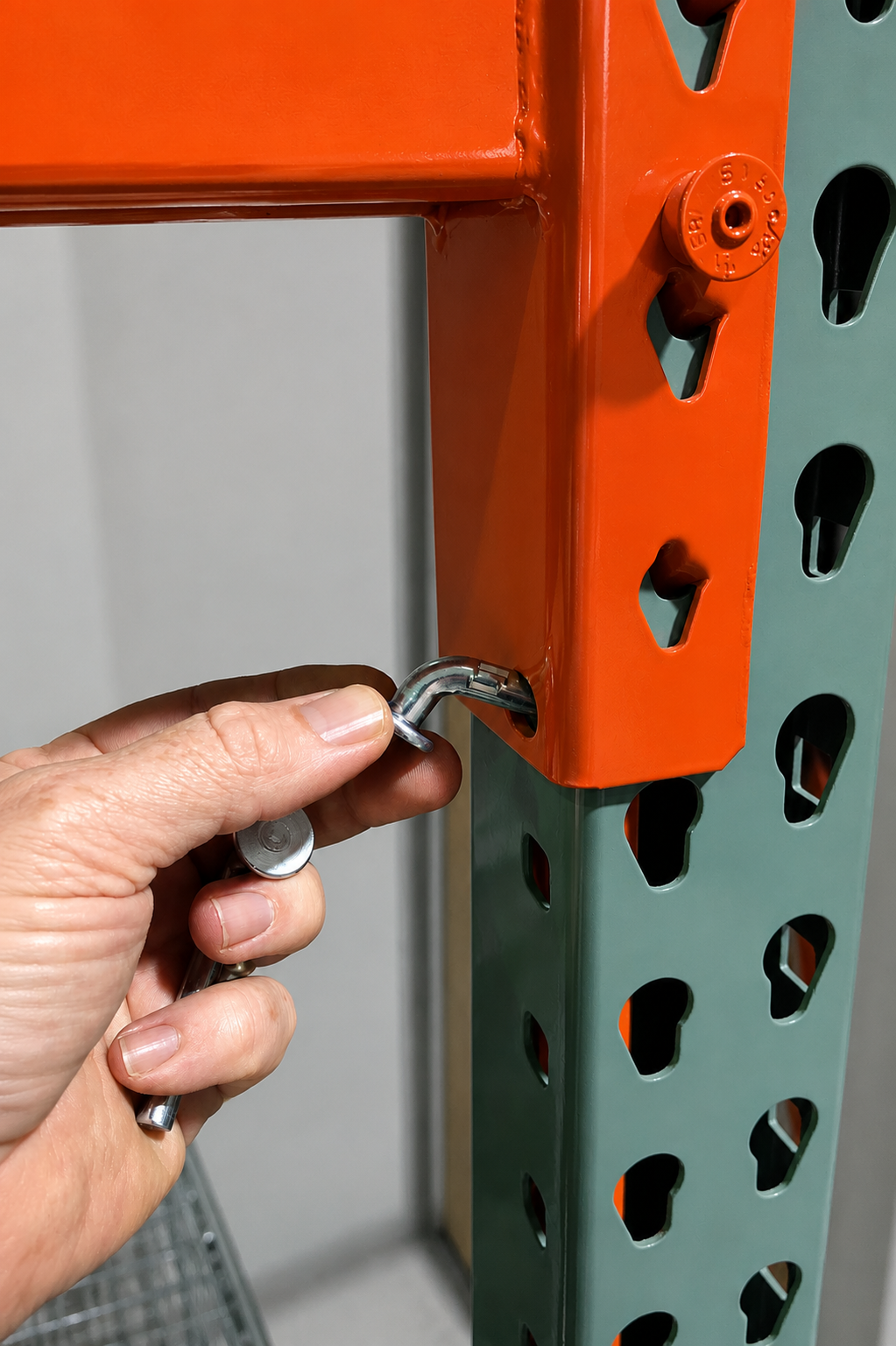
J-Bolts | Locking Pins for Pallet Rack provide a simple mechanical way to help prevent compatible beams from accidentally disengaging from uprights. They’re commonly associated with Speedrack and can also be used with certain teardrop-style connections when the holes in the upright and beam end connector properly align.
Installation is one reason J-Bolts are popular. Instead of working with a conventional nut-and-bolt assembly at every beam connection, the J-shaped locking pin drops through the aligned connection and keeps the beam from being unintentionally lifted free.
But don’t force the application. If the existing rack doesn’t have the correct aligned holes or wasn’t designed for that locking method, use the locking device specified for the rack. Drilling or modifying structural rack components simply to accept a J-Bolt should not be done without manufacturer or qualified engineering approval.
Concrete Lag Bolts | Pallet Rack Floor Anchors secure pallet rack upright footplates to the concrete floor. The source product describes a 1/2″ x 4-1/2″ wedge anchor installed through the predrilled holes in the upright footplate and into a properly drilled concrete slab.
Sounds simple, but anchoring deserves more attention than just drilling a hole and tightening a bolt. Anchor diameter, embedment, hole preparation, spacing, concrete strength and condition, footplate configuration, torque, and seismic requirements can all affect the installation.
How many anchors does each footplate need? There isn’t one universal answer. The rack manufacturer’s engineering, approved drawings, anchor design, slab, seismic conditions, and applicable building requirements determine the anchorage. Check those requirements before buying anchors and certainly before drilling the floor.
UNARCO T-Bolts | T Bolts are beam connectors for compatible UNARCO T-Bolt pallet rack. The rack bolt set described in the source includes the T-Bolt and a 1/2″ Wiz Nut, creating a positive bolted connection between the beam end connector and upright.
One of the nice features of the system is the engagement indicator. The curved-head T-Bolt and locking cam provide a visual indication of the bolt’s position. According to the source material, a horizontal engagement mark indicates that the connection is locked.
The positive connection also helps prevent accidental beam disengagement. Because this is a manufacturer-specific rack connection, use the proper UNARCO hardware and installation procedure rather than substituting ordinary bolts that may not reproduce the intended connection.
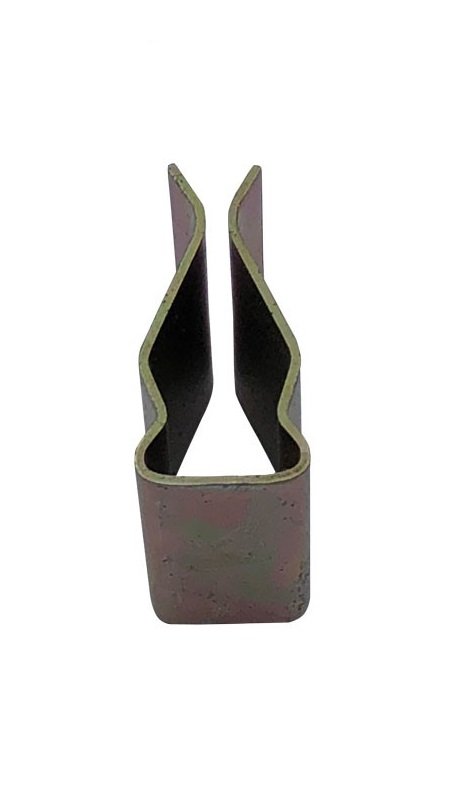
The CL-Clip Ridg-U-Rak Beam Safety Clip is a manual locking device used with compatible Ridg-U-Rak beam connections. Once installed, it helps prevent a beam from being unintentionally lifted out of the upright connection.
These clips are inexpensive, quick to install, and easy to overlook. That’s exactly why it’s smart to order them with the rack rather than discovering during installation that hundreds of beam connections are missing their locking devices. The source describes installation as a simple tap-in process that takes only seconds per connection.
During routine rack inspections, make beam safety clips part of the checklist. Missing, damaged, or improperly engaged locks should be addressed with the correct replacement for the rack system.
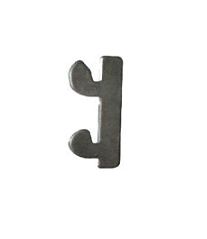
The Sturdi-Bilt S-303H Wedge Lock Beam Connector Clip has a distinctive shape that looks a little like a cactus with arms on one side, but there’s nothing decorative about its job. The clip is designed to secure compatible Sturdi-Bilt beams to upright columns.
The S-303H is inserted into the appropriate upright connection and works with the Sturdi-Bilt slotted rack system to retain the beam. It’s a small piece of hardware, but beam connections are no place to improvise. Missing or incorrect clips can leave the connection without the locking component intended for that rack design.
The source recommends original S-303H clips rather than thin-metal imitations. Whether you’re replacing missing hardware or maintaining an older Sturdi-Bilt installation, identify the rack system first and use the connector designed for it.
Frequently Asked Questions About Pallet Rack Hardware
How do I know which Pallet Rack Hardware fits my existing rack?
Start by identifying the rack manufacturer and rack style. Look at the upright column profile, hole pattern, beam end connector, footplate dimensions, and any existing clips or locking devices. Components such as Ridg-U-Rak PP-500 pins, UNARCO T-Bolts, Speedrack Suitcase Handles, and Sturdi-Bilt S-303H clips are designed around particular connection systems. Don’t select hardware based only on appearance.
Should row spacers, shims, and anchors be installed when the pallet rack is first erected?
Yes, that’s generally the practical time to install them when they’re part of the rack design. Row spacers help establish consistent spacing while back-to-back frames are being positioned. Shims allow installers to level and plumb uprights before final anchoring. Anchors then secure the correctly positioned footplates to the slab. Trying to correct alignment and add missing components after the rack is loaded can be considerably more difficult.
What Pallet Rack Hardware should be checked during routine inspections?
Check floor anchors, footplates, leveling shims, row spacers, bolts, beam locks, safety clips, and other connection hardware. Look for missing components, loose or damaged fasteners, displaced shims, damaged anchors, distorted connectors, and beam locks that aren’t fully engaged. Forklift impacts can affect more than the visible upright, so inspect the surrounding connections whenever rack damage occurs.




