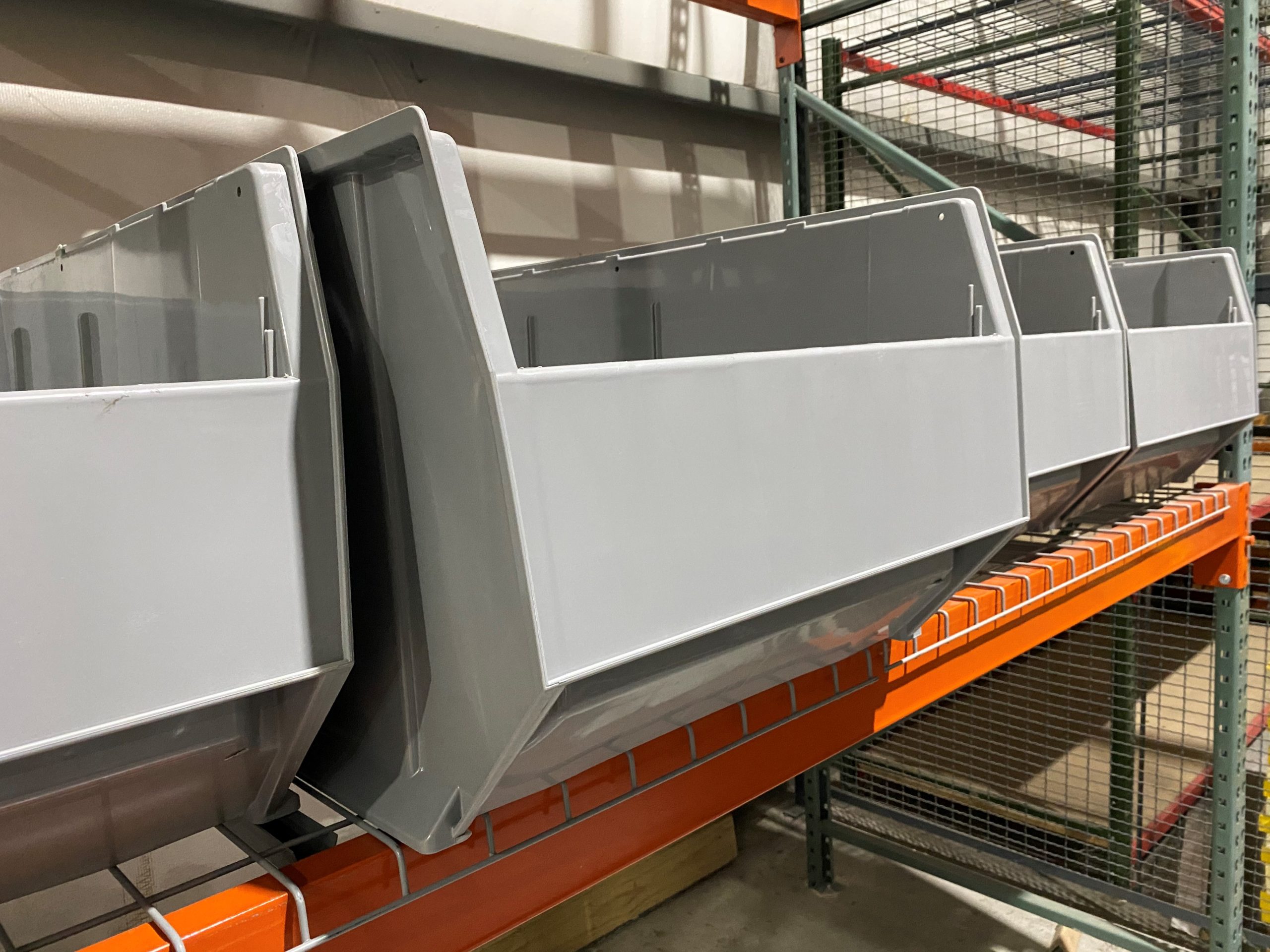
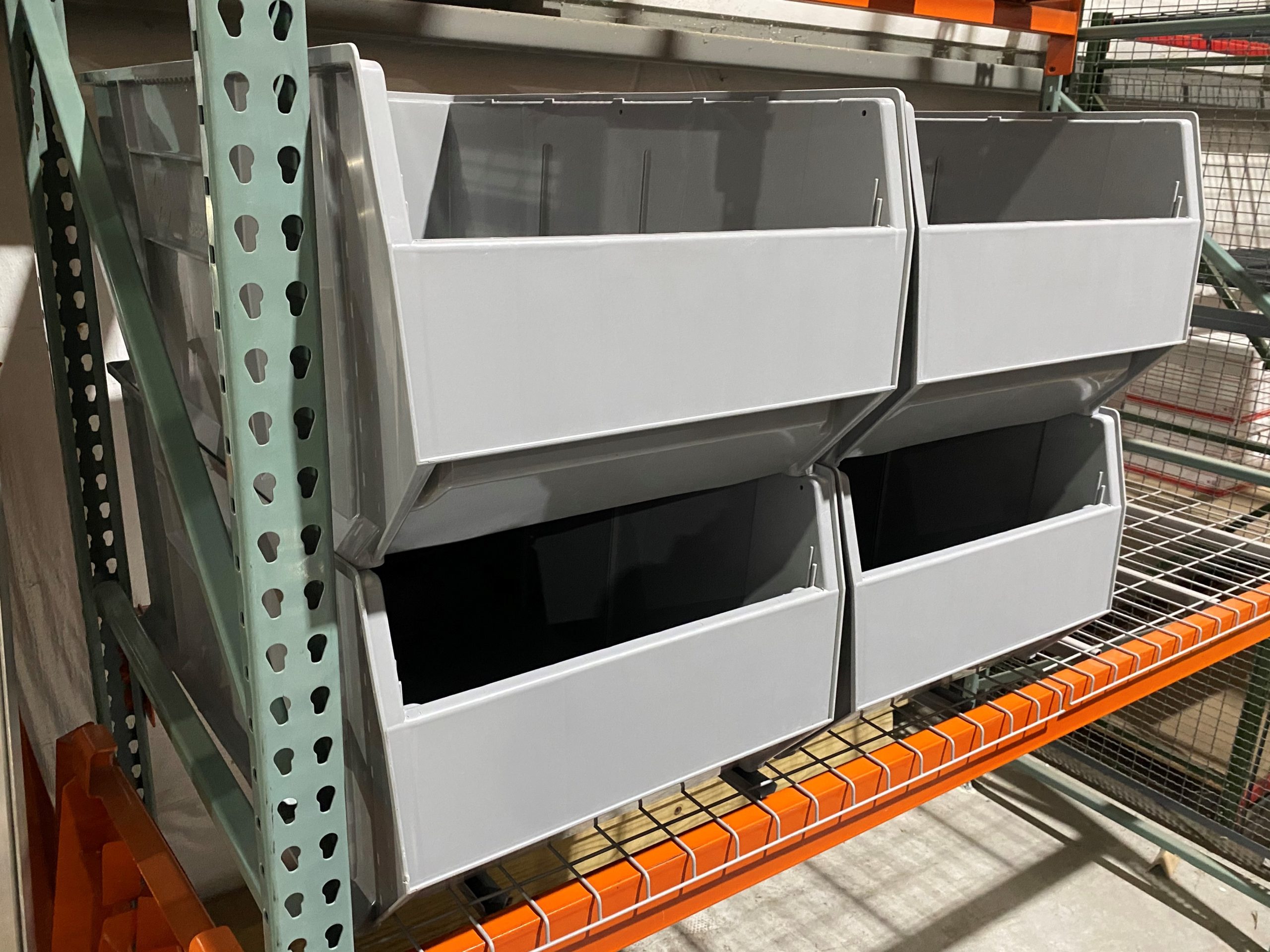
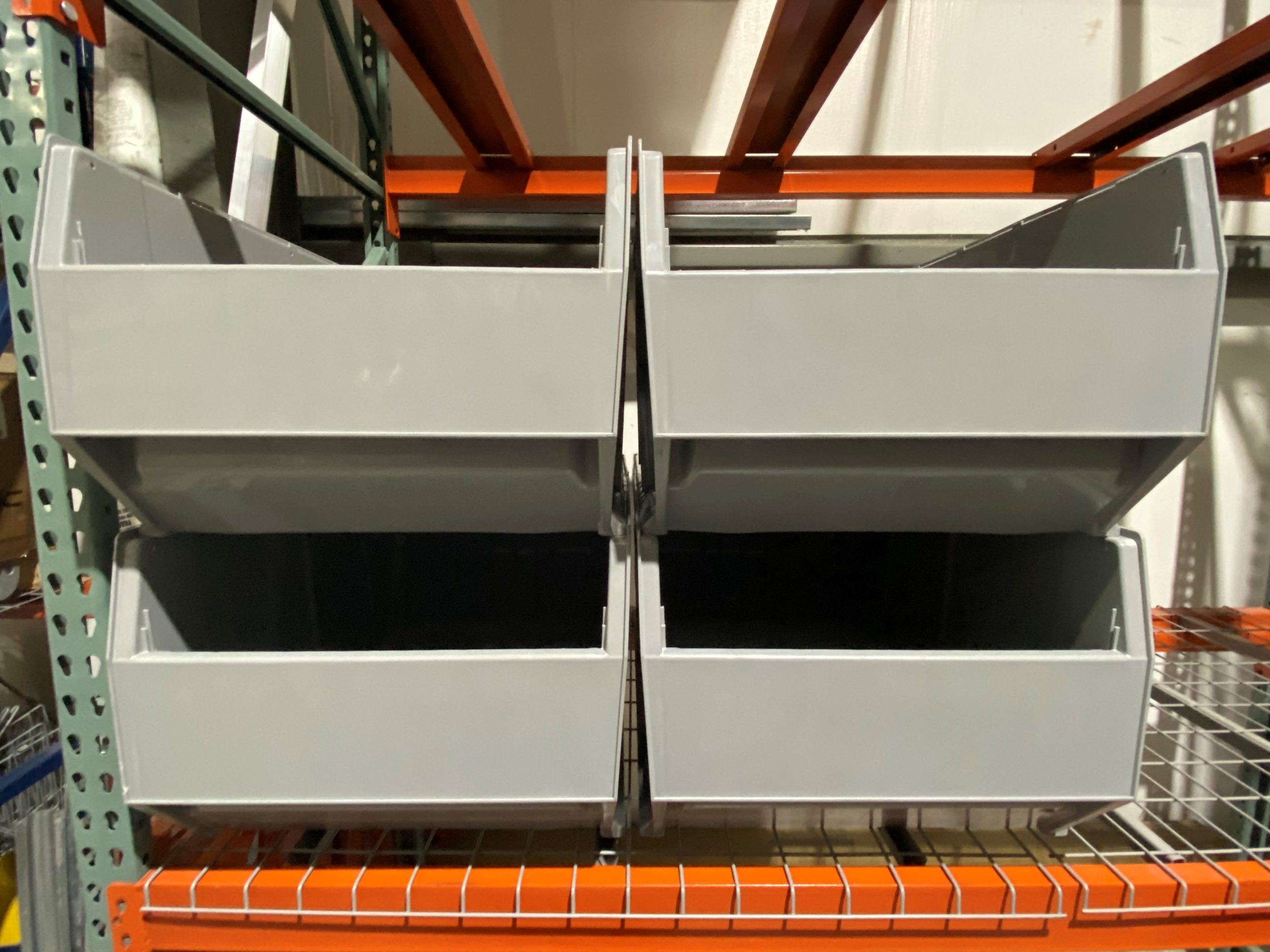
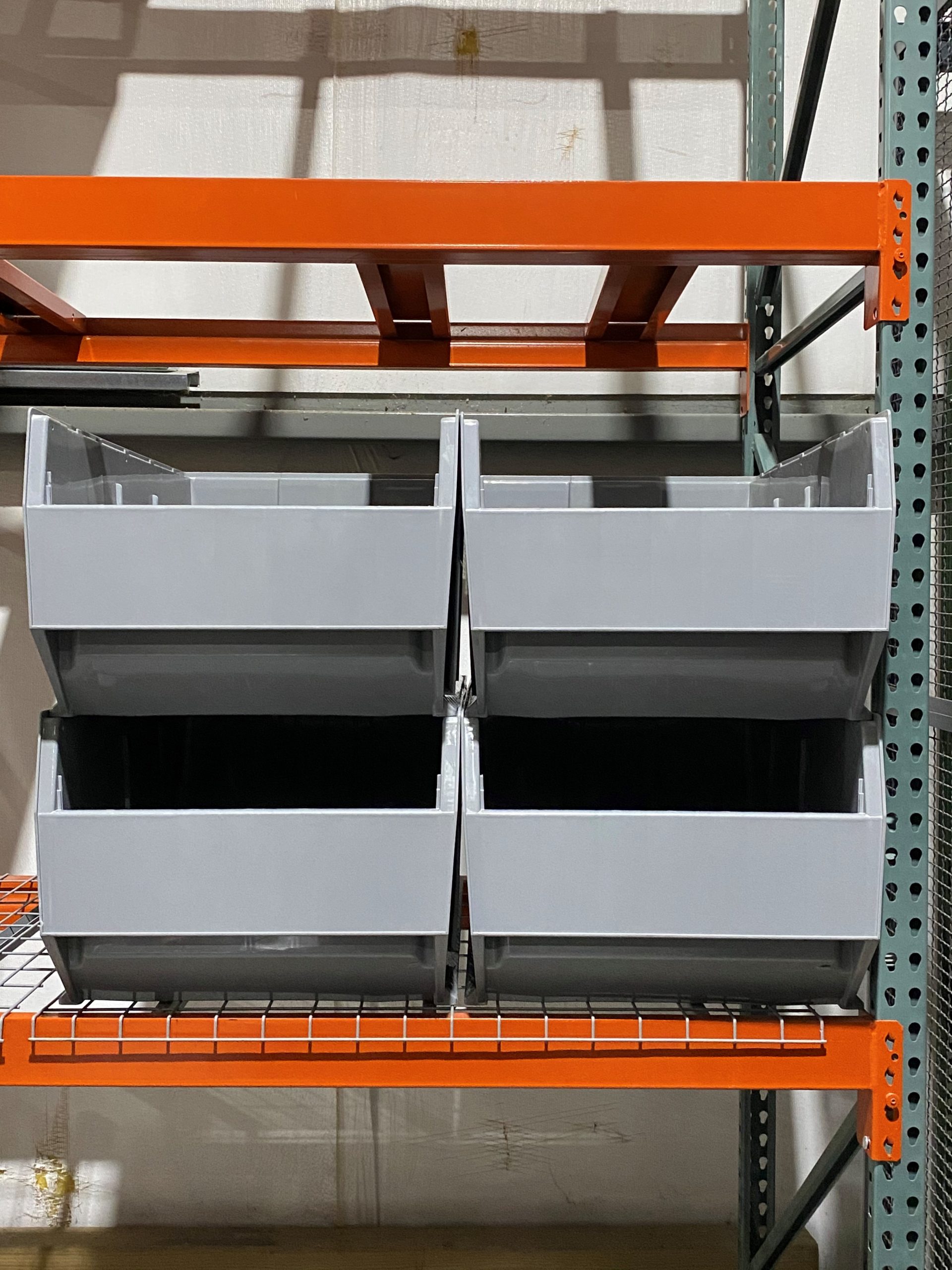
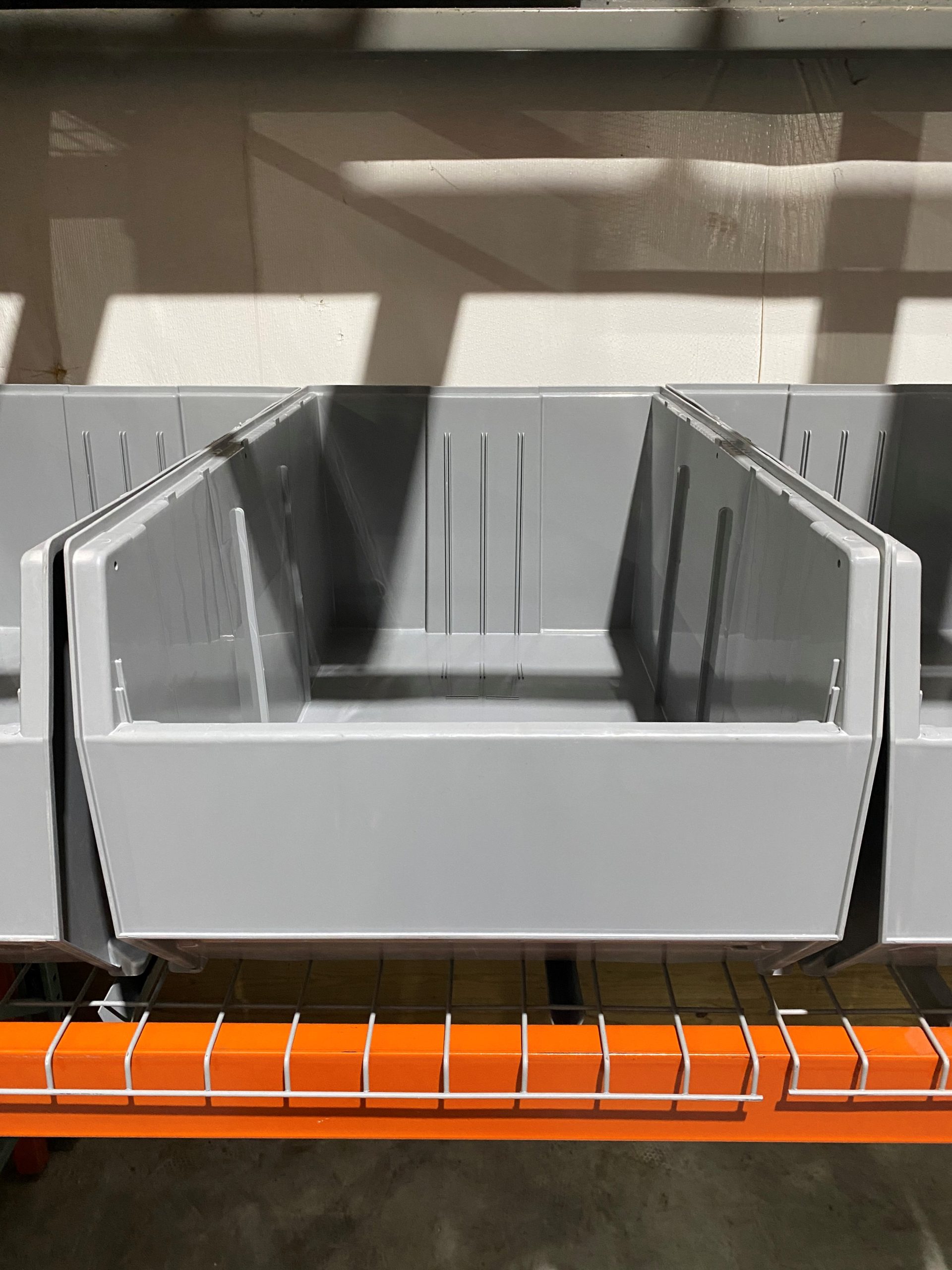
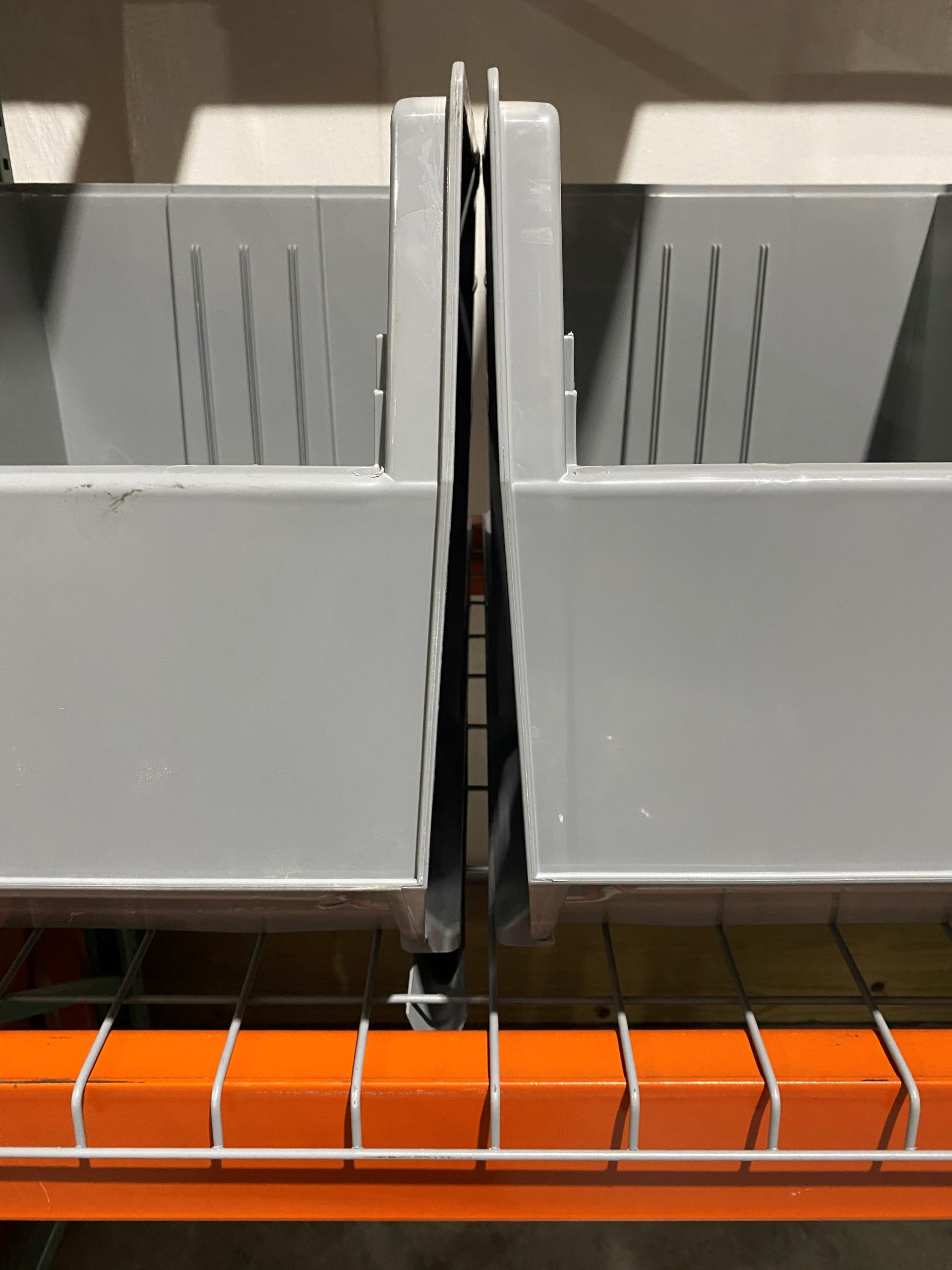
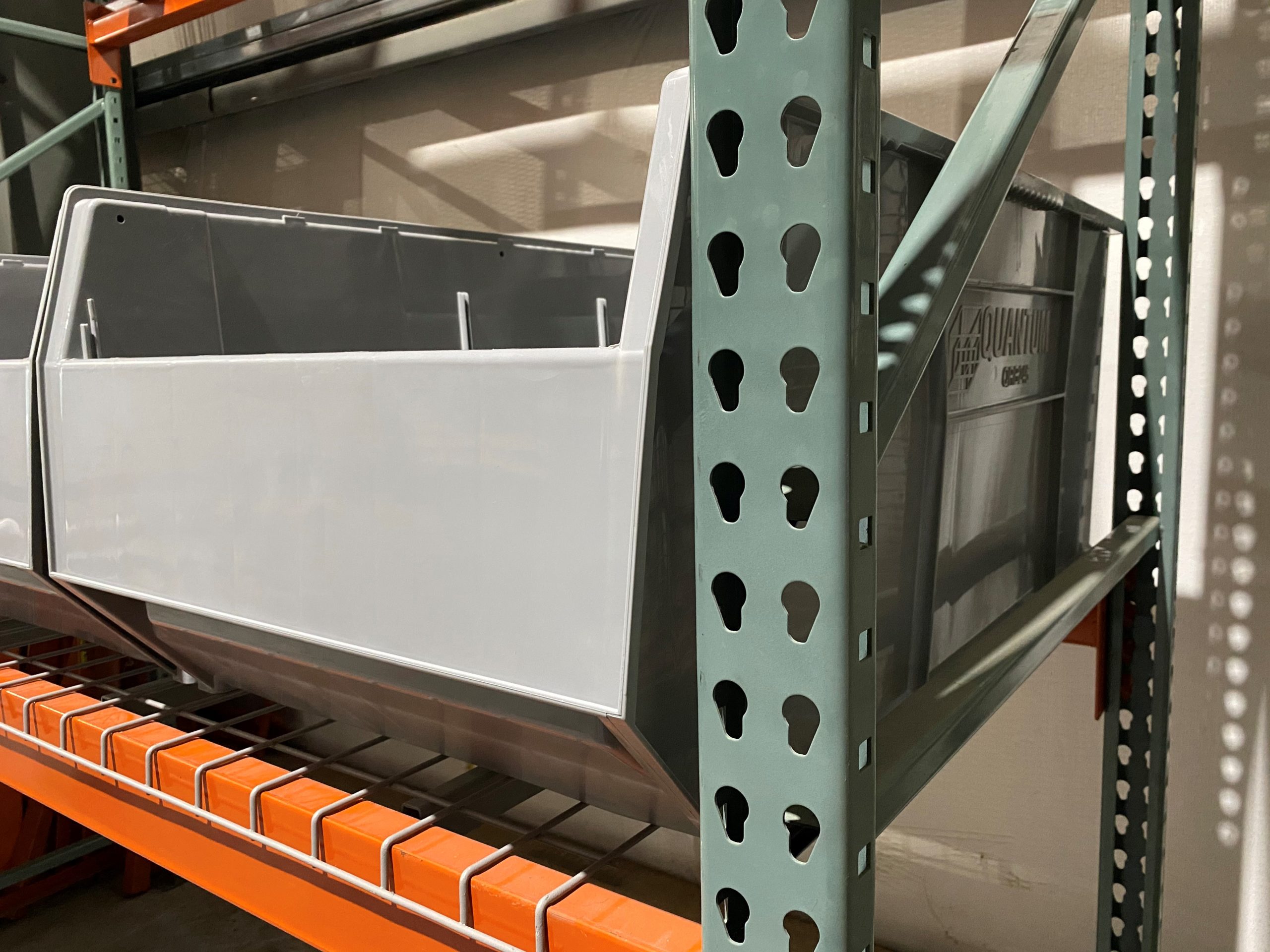
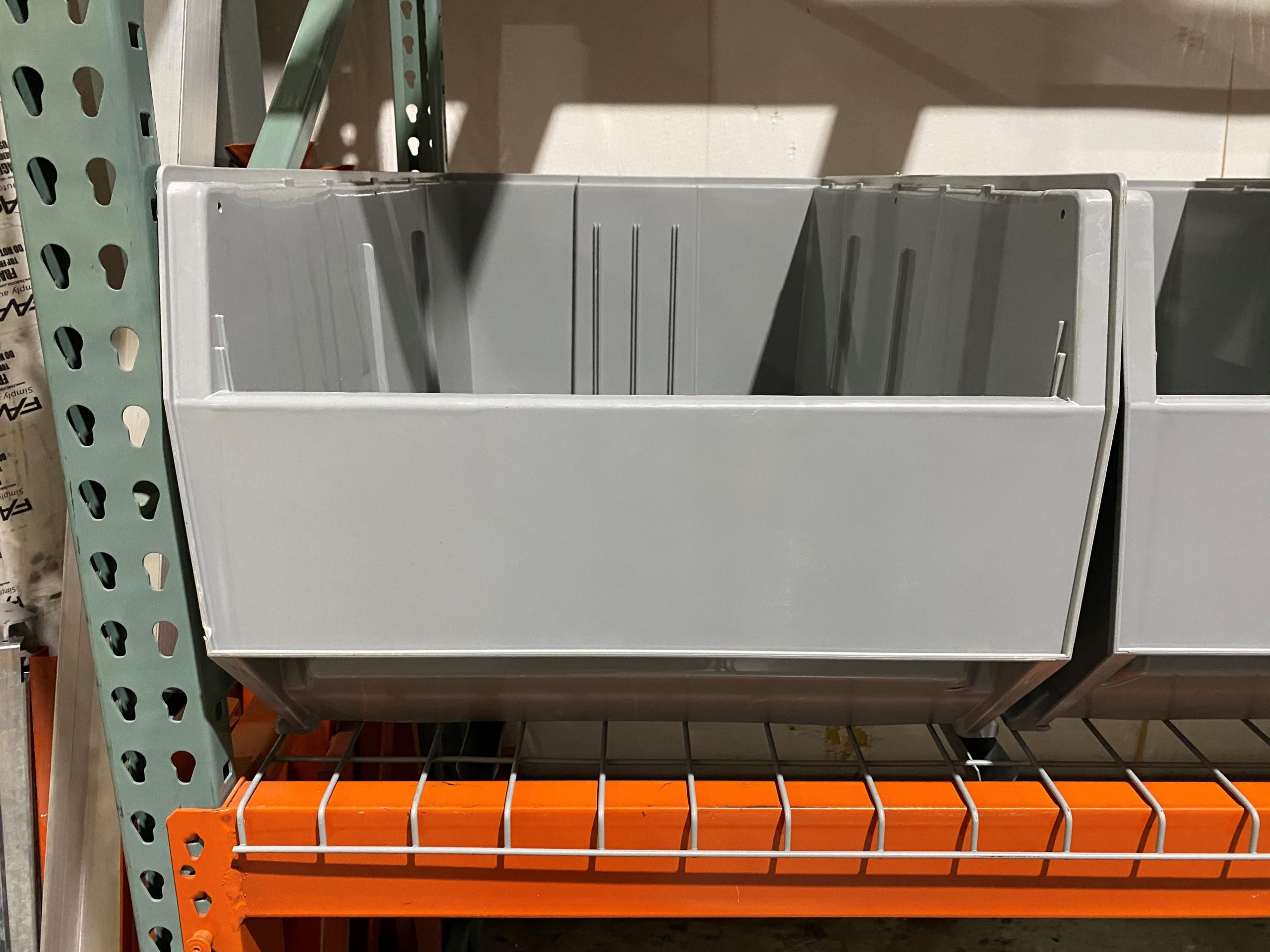
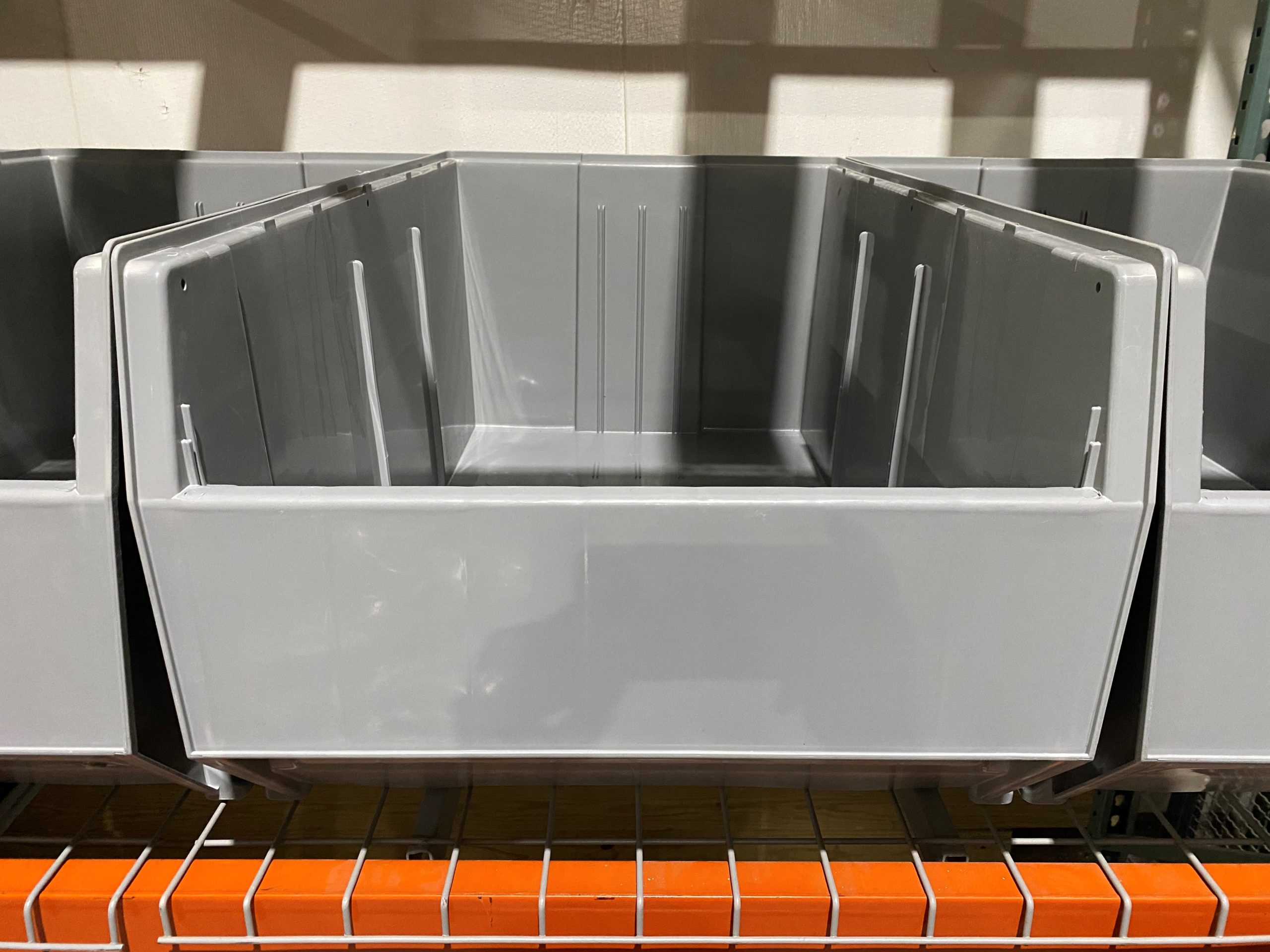
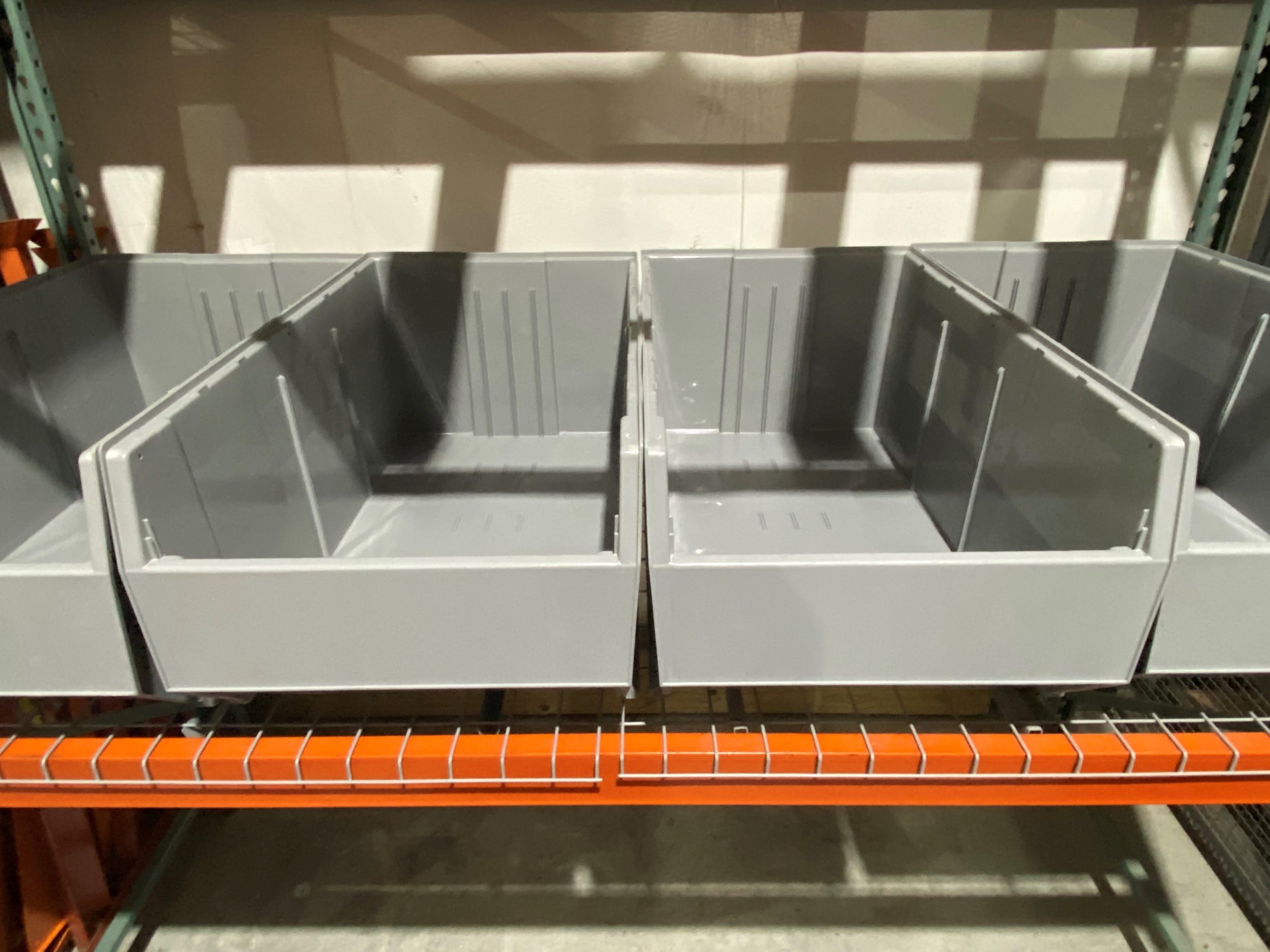
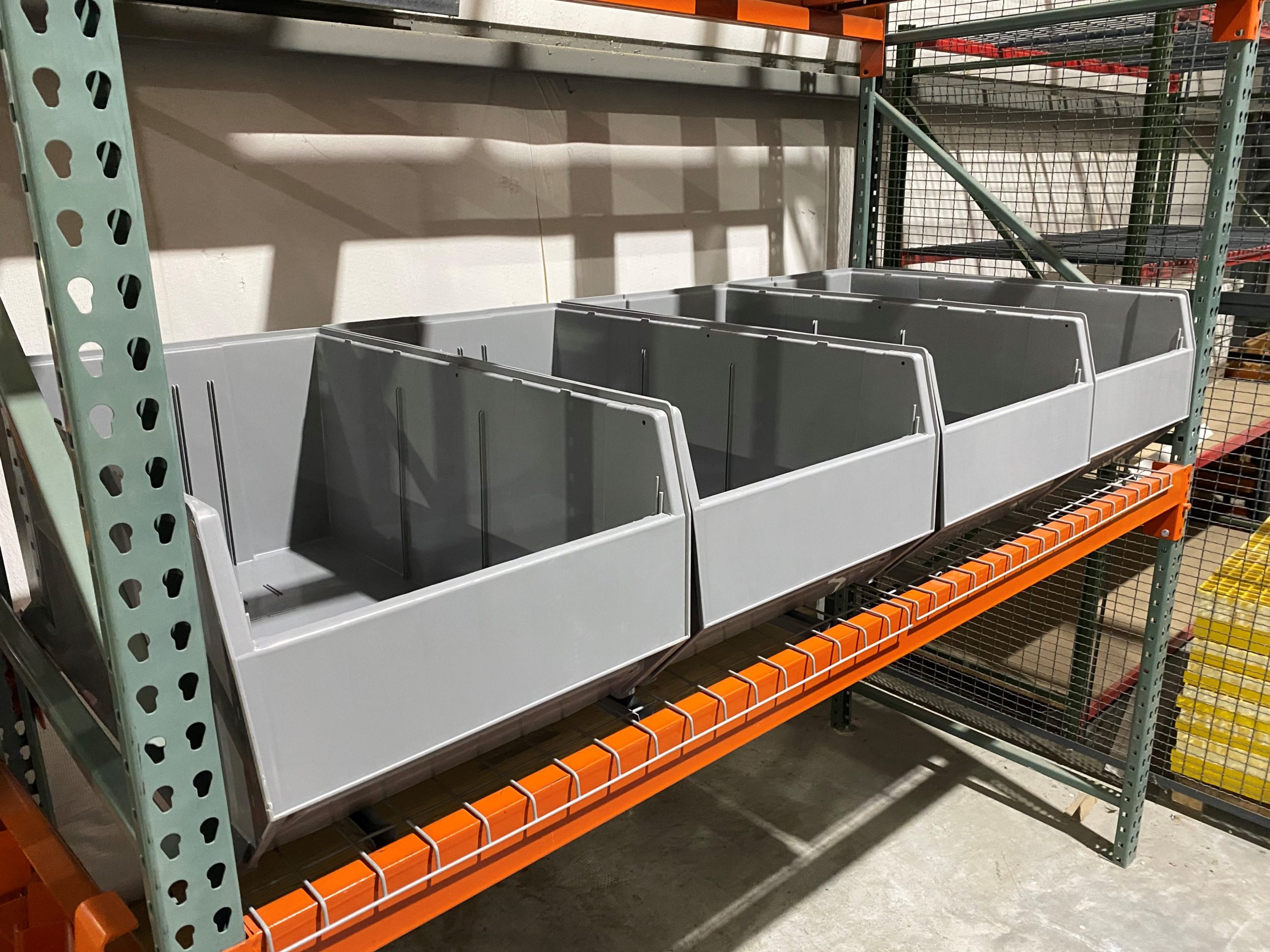
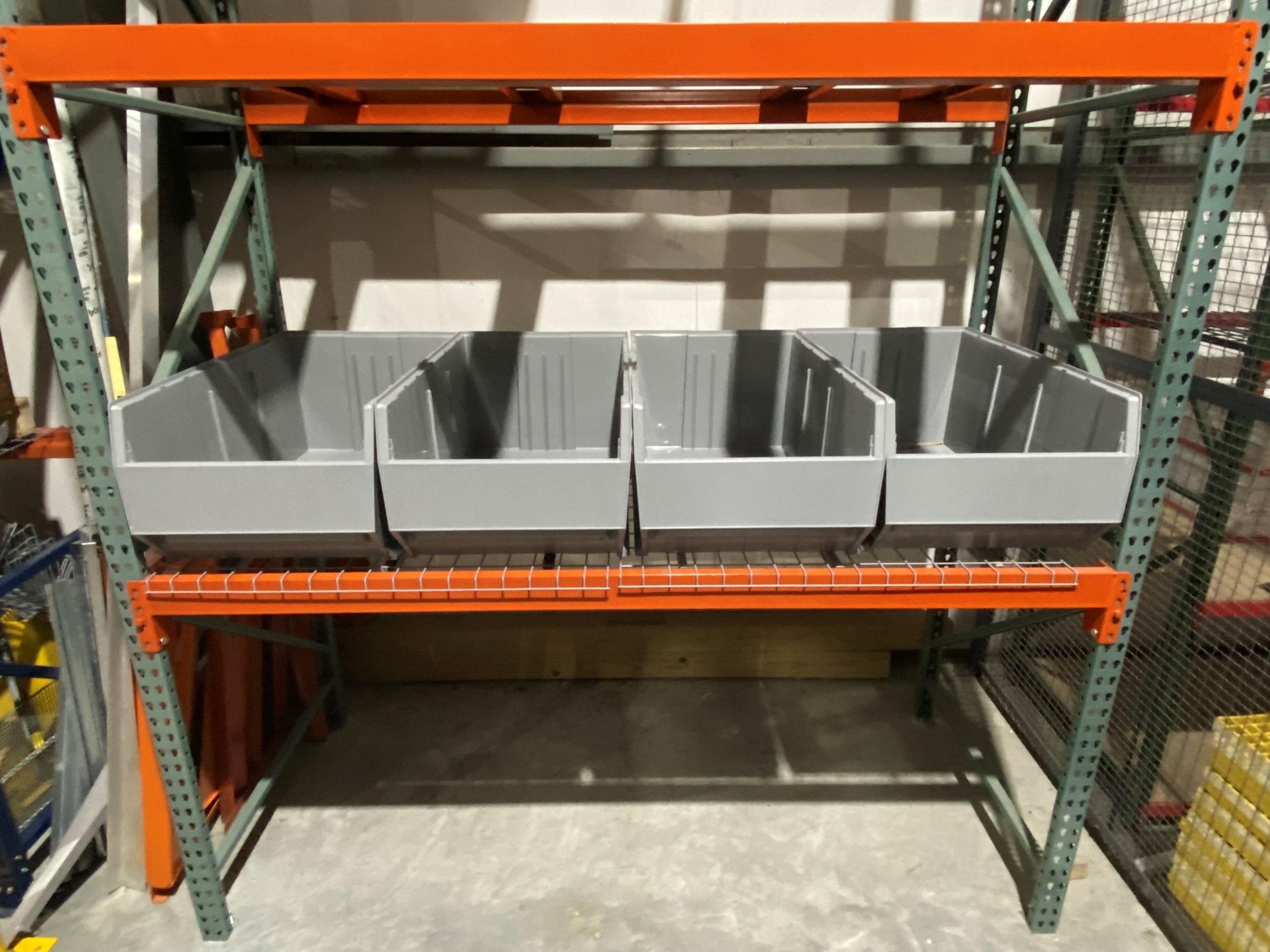
FAQs about Plastic Bulk Containers
What is the biggest disadvantage to collapsible bulk containers?
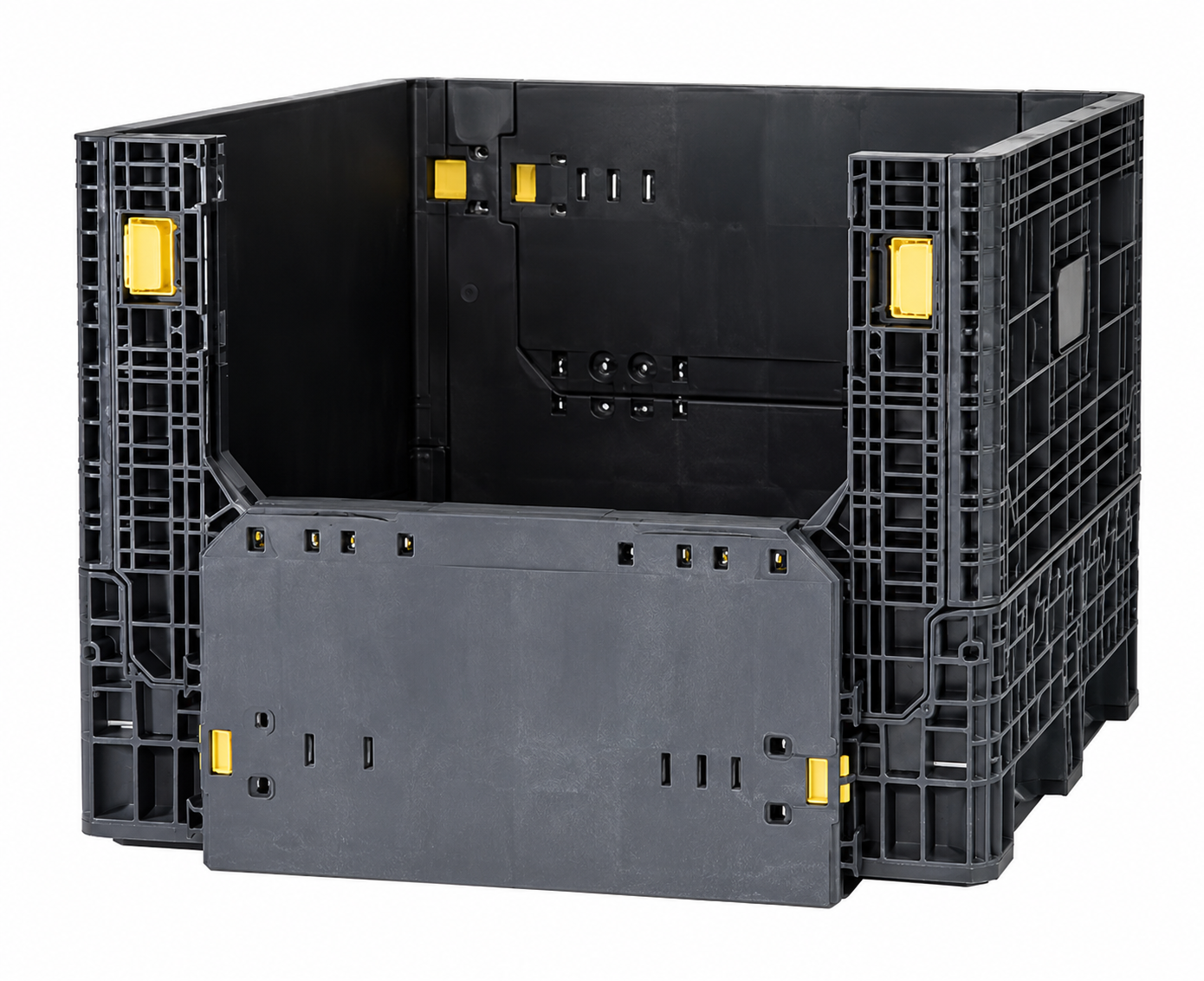
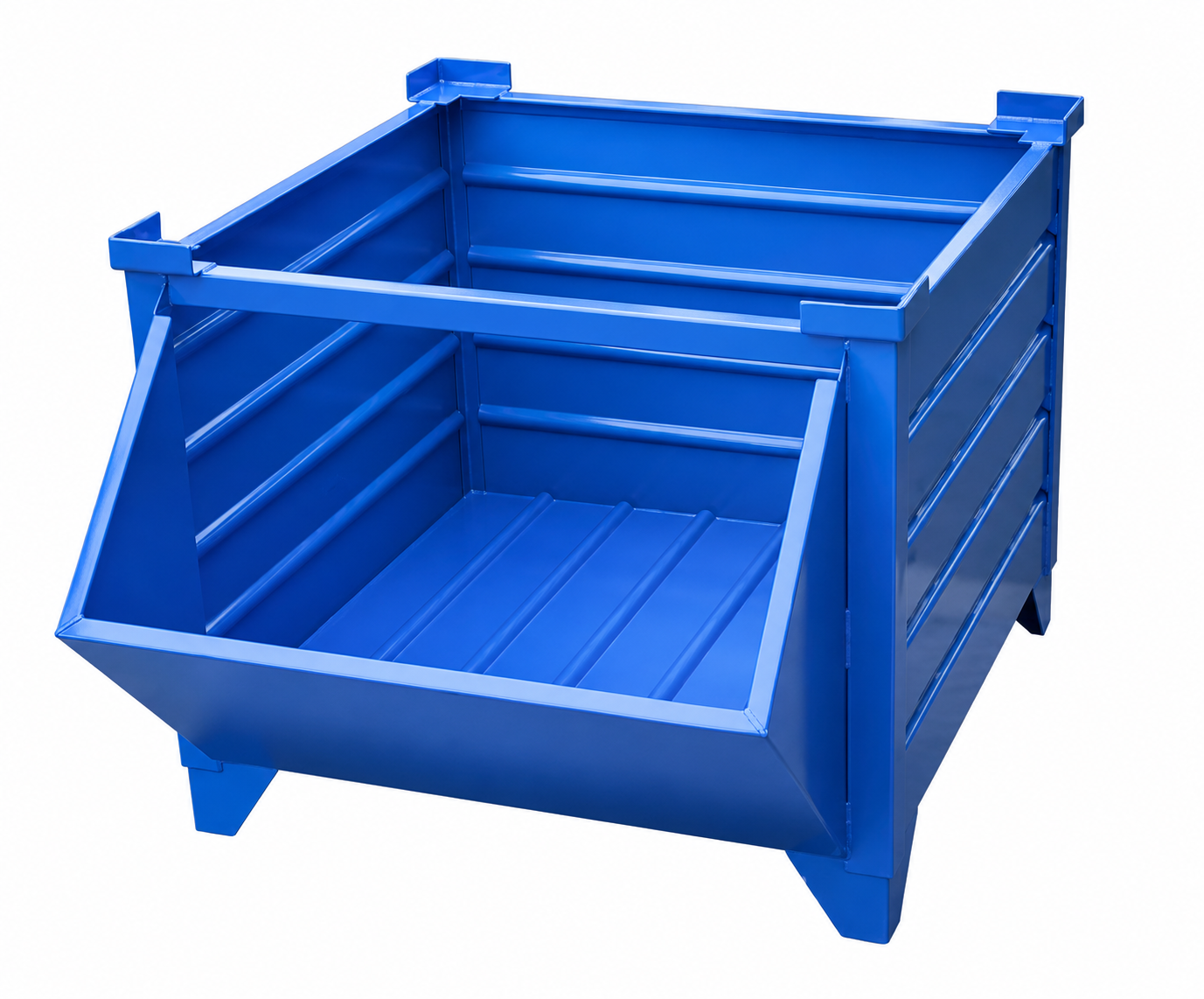
Plastic bulk containers are flammable and may not meet Fire Inspector Codes and Insurance company requirements. For that reason, some customers are switching from plastic to steel and wire bulk containers. Please check with your local Fire Marshall and Insurance company before investing in plastic bulk containers.
What industries most commonly use collapsible bulk containers?
These containers are widely used across many sectors, especially where durability, cleanliness, and reusability are important:
- Automotive & OEM suppliers — ideal for parts, components, stampings, returnable packaging
- Manufacturing & assembly plants
- Food and beverage processing (non-food-contact versions)
- Agriculture and produce handling
- Retail distribution & e-commerce fulfillment
- Pharmaceutical and chemical plants
- Recycling and waste collection applications
Their combination of lightweight construction, long life cycle, and collapsibility makes them one of the most economical reusable containers on the market.
What features make these containers user-friendly and durable?
Plastic bulk containers offer a wide range of performance and ergonomic benefits:
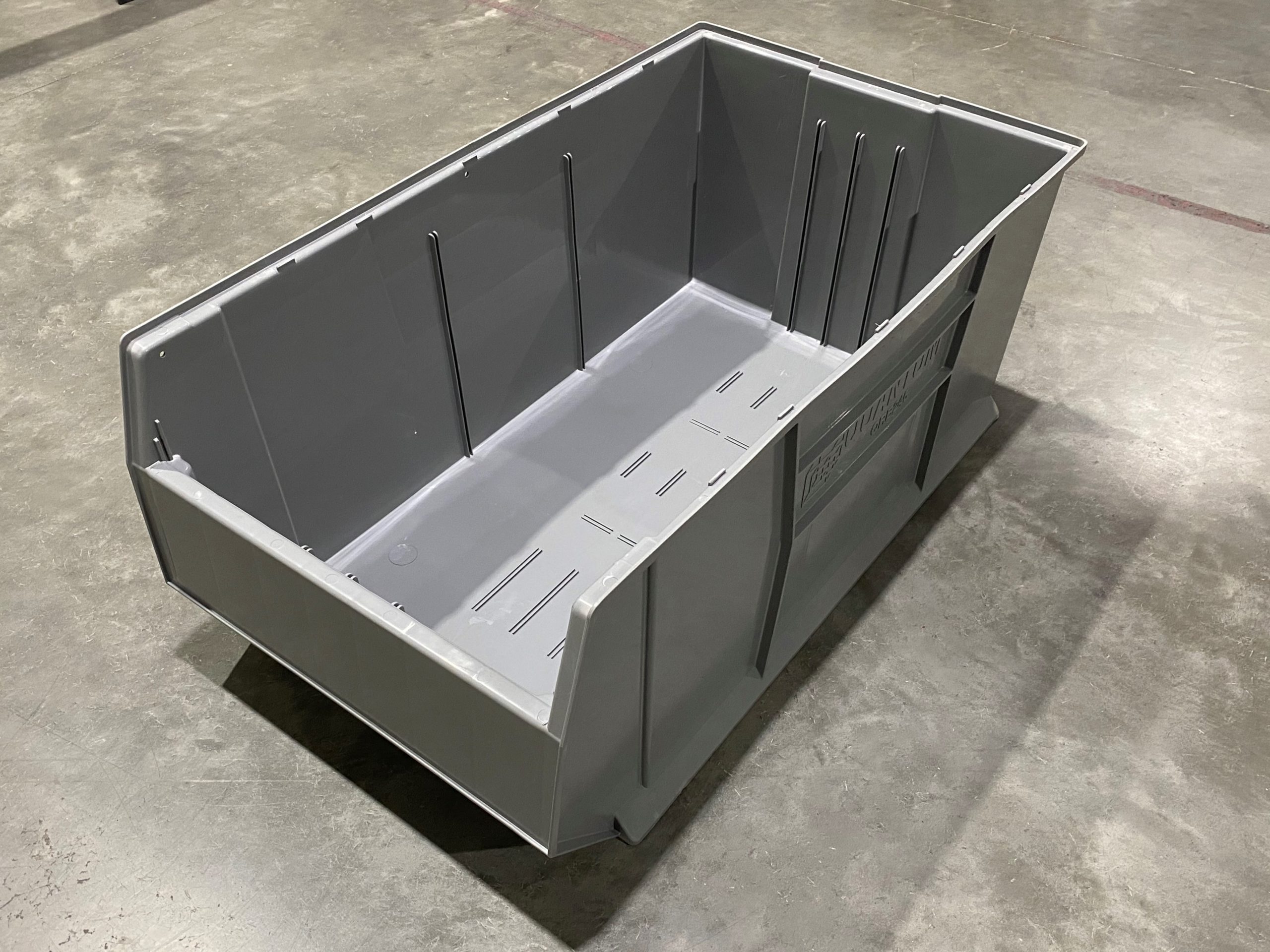
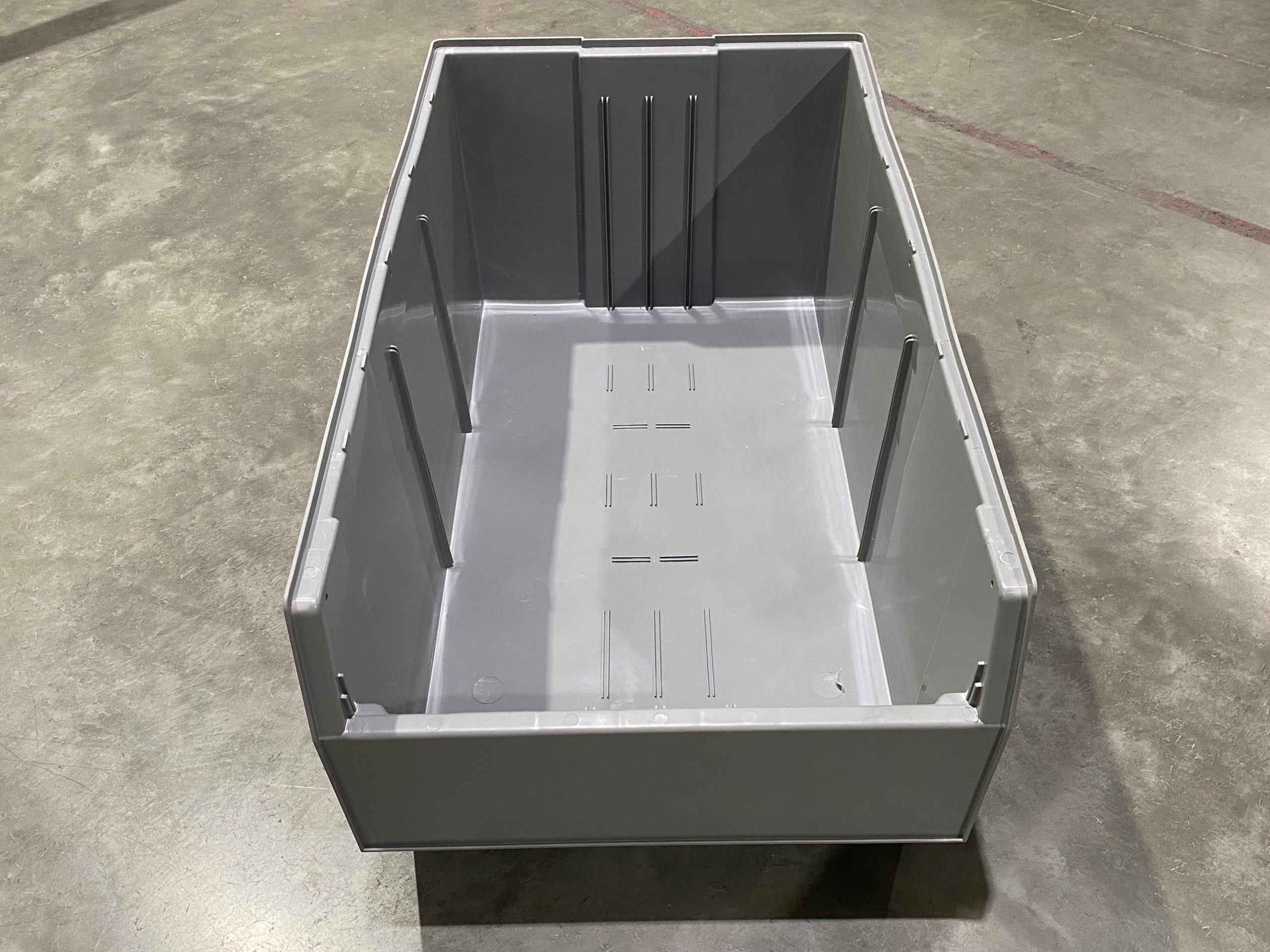
- Two half-drop gates for easy access when stacked or staged
- 2,000-lb. dynamic capacity for industrial-grade loads
- Reinforced corner posts and walls for long service life
- Smooth interior surfaces that prevent part damage and allow easy cleaning
- Four-way forklift and pallet jack entry for fast material handling
- Weather and chemical resistance, unlike wood or metal bins
These features make them ideal for closed-loop systems and high-cycle use environments.
How do collapsible bulk containers help save space and reduce shipping costs?
One of the biggest advantages of collapsible bulk bins is their knock-down design. When empty, they fold down to a 12.75″ collapsed height, allowing you to stack multiple empty containers in the footprint of a single unit. This dramatically reduces:
- Return freight costs
- Backhaul shipping charges
- Storage space required for empty bins
Facilities using collapsible containers often reclaim up to 70%–80% floor space compared to rigid bins or wood crates.
What sizes are available and which ones are most popular?
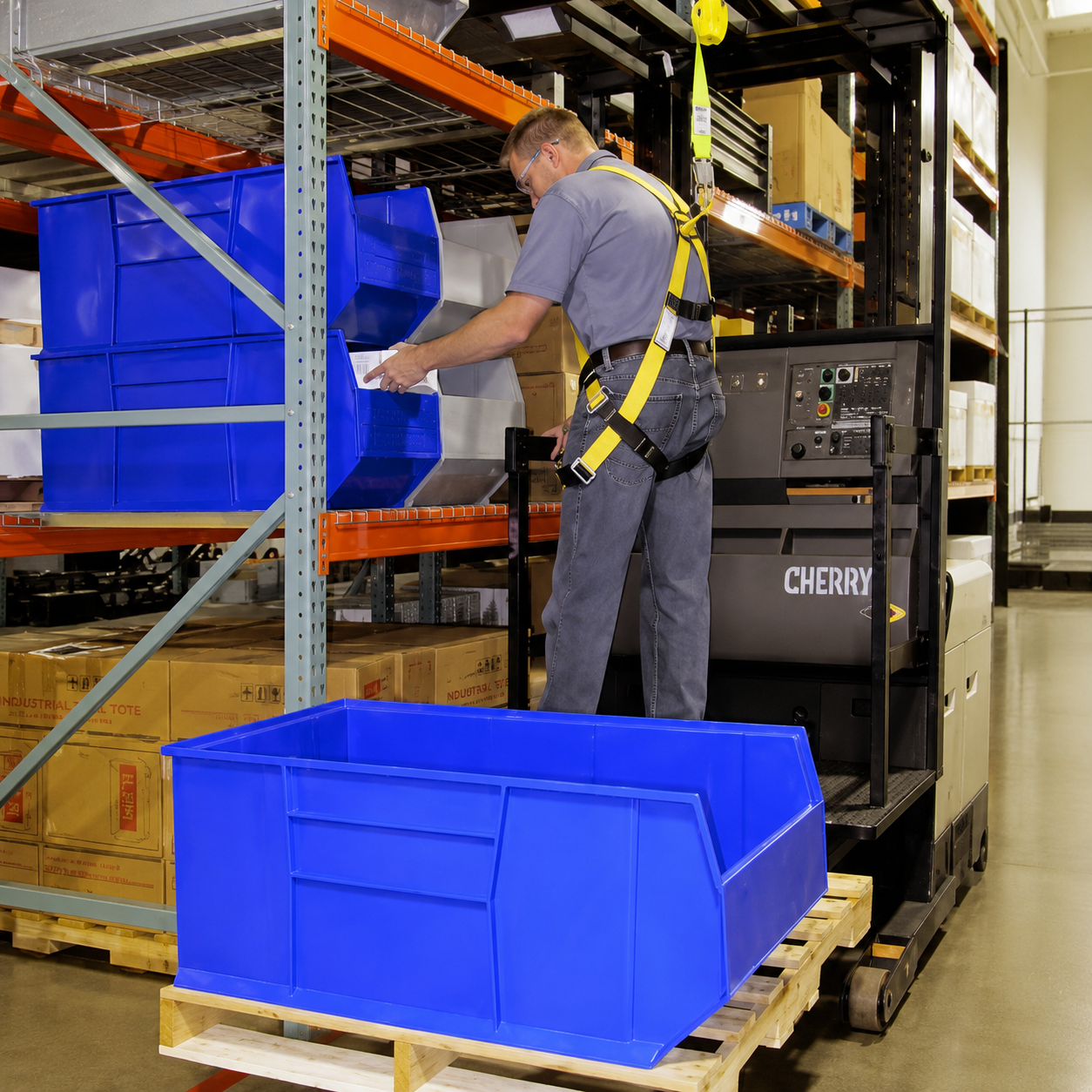
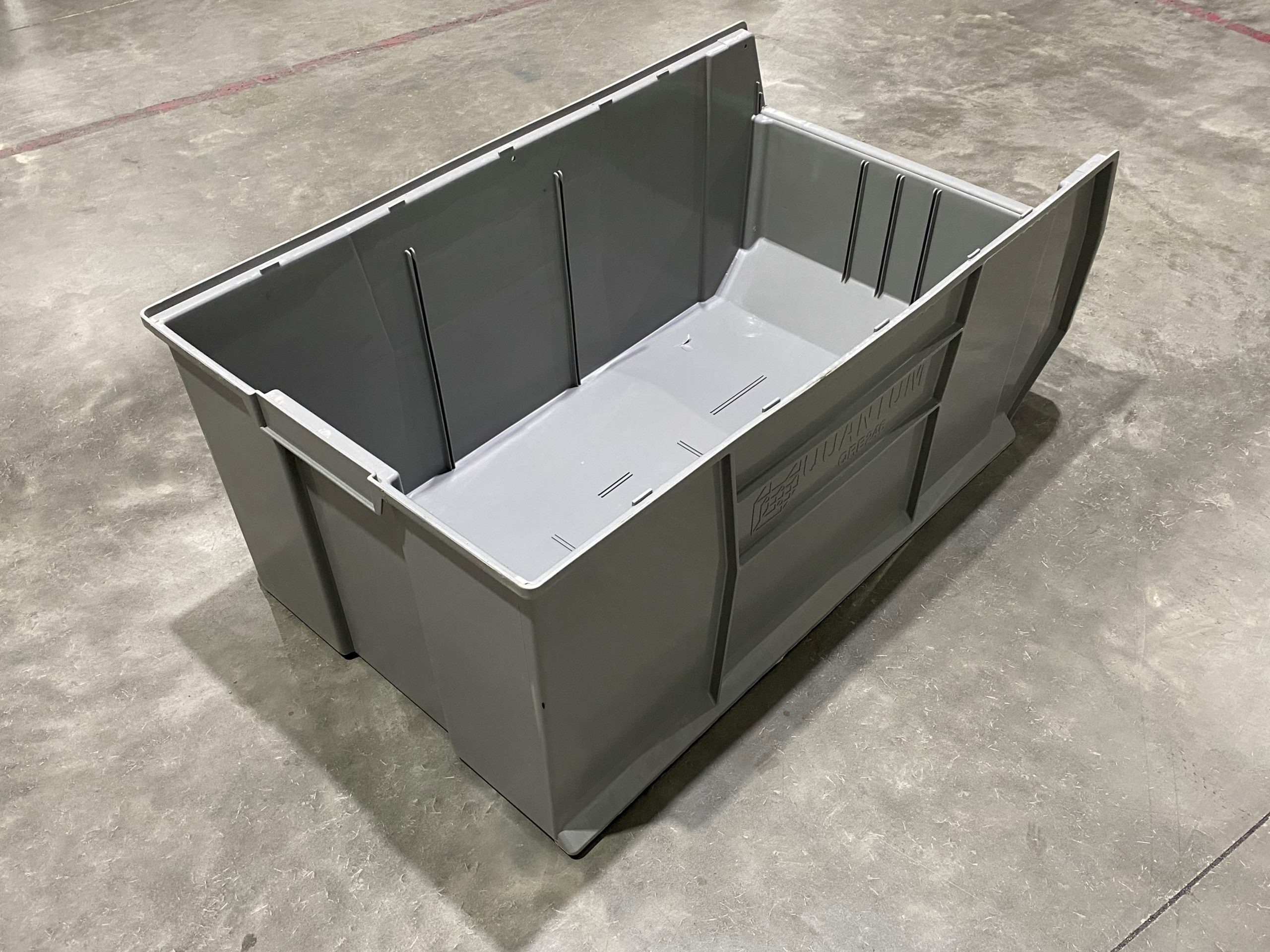
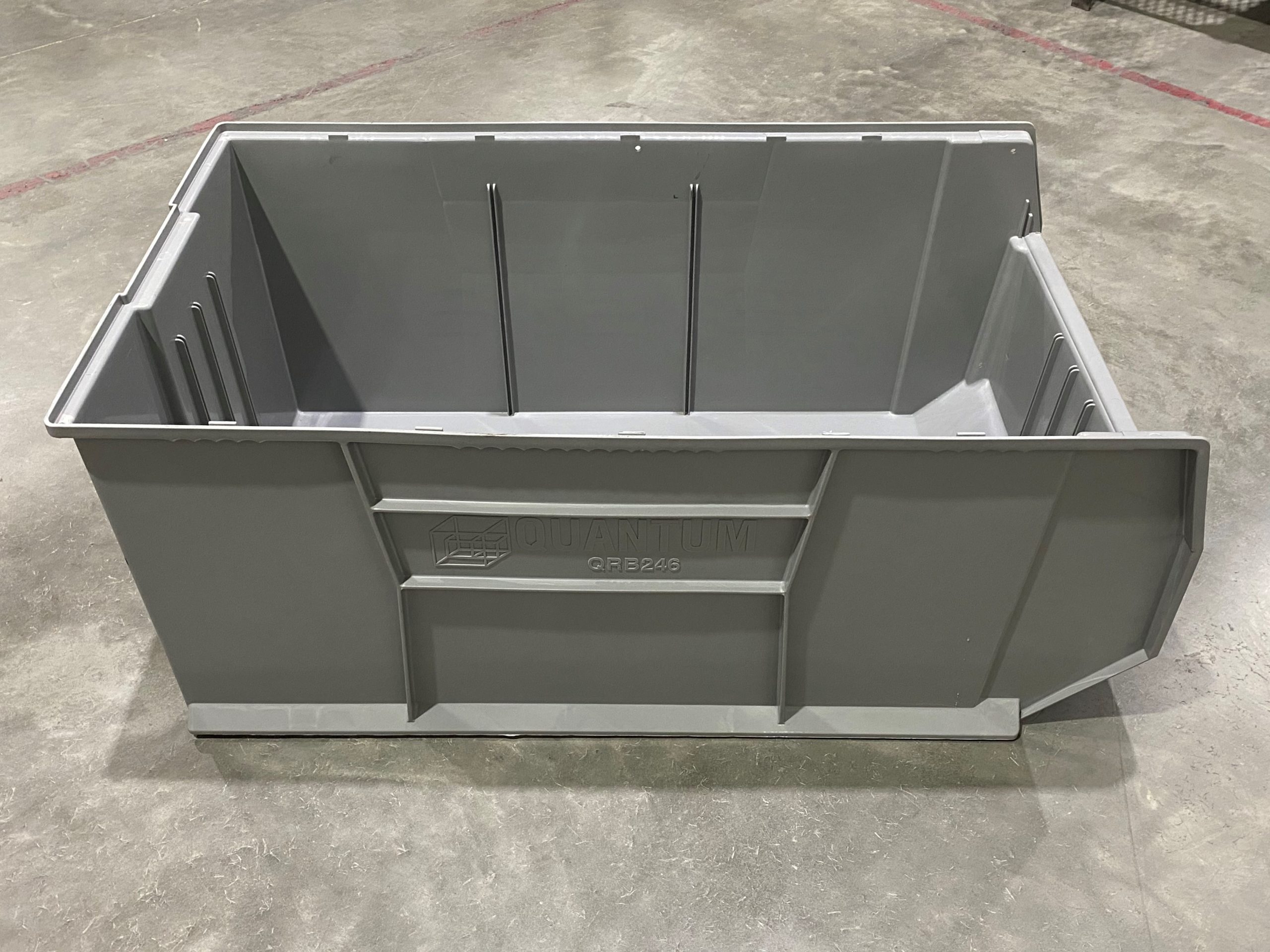
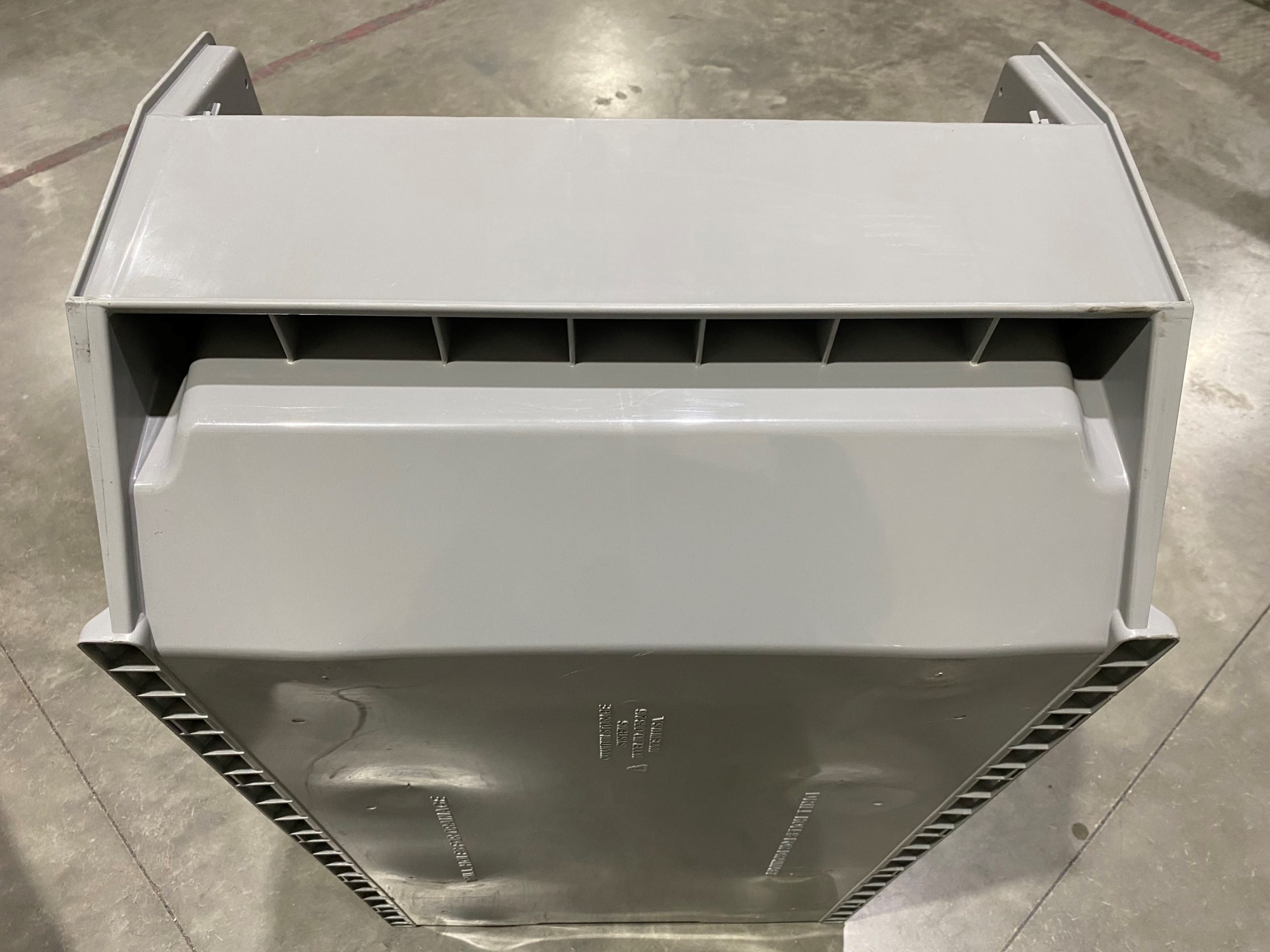
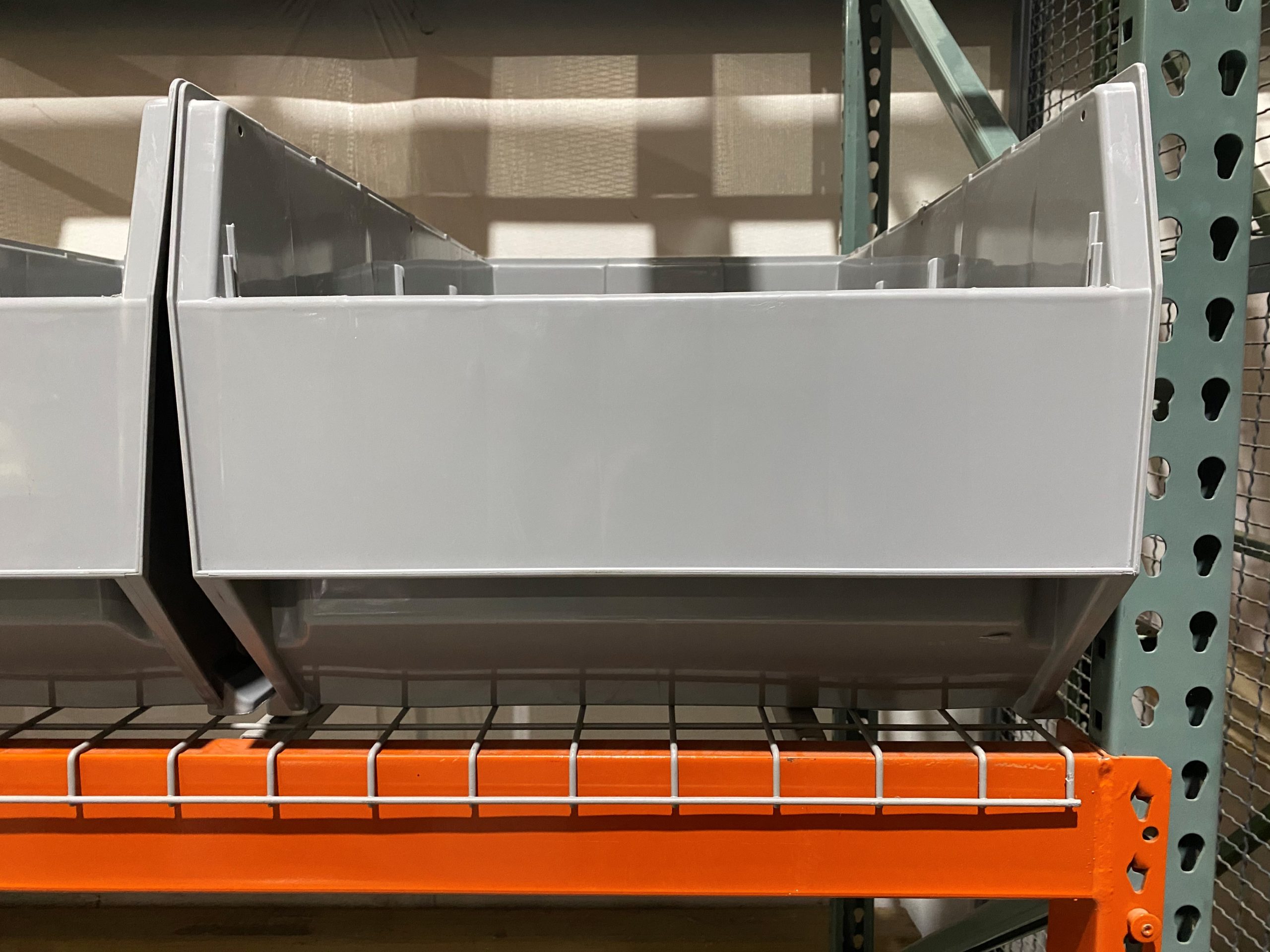
Plastic collapsible bulk containers are heavy-duty, reusable bins designed for storing and transporting parts, components, and materials in manufacturing, automotive, food processing, agriculture, distribution, and general warehousing. Their rigid yet lightweight plastic construction protects inventory, reduces product damage, and improves handling efficiency. Because they collapse flat when empty, they significantly reduce return freight and storage costs, making them a cost-effective alternative to wood or disposable packaging.
What are plastic collapsible bulk containers used for?
Plastic collapsible bulk containers are heavy-duty, reusable bins designed for storing and transporting parts, components, and materials in manufacturing, automotive, food processing, agriculture, distribution, and general warehousing. Their rigid yet lightweight plastic construction protects inventory, reduces product damage, and improves handling efficiency. Because they collapse flat when empty, they significantly reduce return freight and storage costs, making them a cost-effective alternative to wood or disposable packaging.
Are pallet stops required by fire code or insurance carriers?
Pallet stops aren’t required by code everywhere, but they are frequently recommended or mandated by jurisdictions, Fire Marshals, and insurance inspectors to maintain flue space.
They are especially valuable when:
- Pallet overhang varies
- Forklifts frequently push pallets deep into rack
- Back-to-back rack rows lack a physical separator
- Loads are unstable or heavy
By preventing push-through accidents and preserving longitudinal flue spacing, pallet stops often become an easy, low-cost way to maintain code-compliant high-pile storage.
How do pallet stops install on pallet rack?
Single & Double Pallet Stops (AKA WorldStops) attach directly to the rear horizontal load beams. Installs easily and securely with included Tek screws through pre-punched countersunk holes.
Installation is often just a few minutes per level and doesn’t require modifying the rack structure. For flue-space applications, stops can be installed at a precise setback distance for the required gap. Note rack must be fully unloaded before pallet stopsare installed.
What styles of pallet stops are available for push-through protection and flue control?
There are several styles designed for different rack layouts and fire-code requirements:
Many warehouses choose single pallet load stops as they are the most cost-effective solution and easiest to install. They meet pallet push through safety initiatives and ensure that proper flue space is maintained for their specific pallet load and rack depth.
How do pallet stops help maintain longitudinal flue space for fire safety?
Fire codes (NFPA and many local jurisdictions) require a longitudinal flue space (typically 6 inches) between back-to-back pallet rack rows. This space allows water to cascade vertically from the sprinklers to lower rack levels. Pallet stops create a physical barrier that keeps pallets positioned correctly and prevents them out of flue space. By maintaining the required gap, pallet stops help:
- Improving sprinkler coverage
- Slowing fire spread between rows
- Reducing insurance risks
- Satisfying fire code inspection requirements
What are pallet stops and why are they used on pallet rack?
Pallet stops (also known as WorldStops, pallet stoppers or pallet rack back stops) are steel brackets that mount to the rear beams of pallet racks to prevent pallet push-through. They stop forklifts from accidentally pushing pallets too far, which can cause loads to fall into the next aisle.
Pallet stops also help maintain longitudinal flue space, which is required in most fire codes to ensure proper sprinkler water penetration and airflow between back-to-back rack rows.
Are pallet supports required by code or recommended by insurance companies?
While not always code-mandated, pallet supports are strongly recommended by safety auditors, insurance carriers, and rack engineers whenever:
- Pallet quality is inconsistent
- Overhang is excessive
- Loads are heavy or uneven
- Workers need added protection from pallet failure
- Flue-space ventilation is required (supports offer a high open area)
They help prevent pallet collapse, product drops, and rack damage, which are major risk factors in warehouse safety assessments.
What sizes and capacities do pallet supports come in?
Pallet supports are built to match standard rack depths of 36″, 42″, 44″, 48″ deep racks.
Typical capacity ranges from 1,500 to 3,500 lbs. per support bar, depending on gauge and profile. Many rack levels use two supports per pallet position, though some heavy applications use three.
Custom lengths and heavier gauges are available for high-density and industrial applications.
What styles of pallet supports are available?
The most common styles include:
- Double flanged pallet supports – 1.5” flange on both ends of support help hold it in place while pre-drilled hole in flange allows you to Tek screw and secure it to beam.
- Hat shaped/ Hat style pallet support – pallet support (with profile shaped as a top hat) have no flange on ends allow this pallet support to set down in step of beam, flush with top of beam, leaving beam face unobstructed for labeling and product ID.
- Roll-in pallet supports – quick-install styles that locks into Interlake slotted step beams
- Structural pallet supports – heavy-duty pallet supports designed to fit structural c-channel beams for high capacities
- Custom pallet supports – built for non-standard racks, custom depths or beams with unique profiles.
Most supports include a safety tab or clip to prevent movement during pallet placement.
When should pallet supports be used instead of wire decking or punched deck?
Pallet supports are ideal when:
- You store heavy pallets (1,500 to 3,000 lbs.)
- You use non-standard or poor-quality pallets
- You need to maintain fire-code-required open area without a full deck
- You want maximum forklift clearance for loading
- You use deep overhang or pallets smaller than the beam spacing
Unlike wire decking, pallet supports provide direct support under the pallet runners, making them a preferred choice for high-capacity or high-impact environments.
What are pallet supports and why are they used in pallet rack?
Pallet supports (also called pallet support cross bars) are steel channels that sit front-to-back between pallet rack beams to safely support pallets, especially when handling wood pallets, CHEP pallets, weak pallets, or undersized loads. They prevent pallets from breaking or falling through the rack and help ensure even weight distribution across the shelf level. Pallet supports add a crucial layer of safety and stability for full-pallet storage.