Converting light-duty wire mesh decking to heavy-duty bar grate decking offers a significant upgrade in durability and operating performance. While wire mesh is sufficient for evenly distributed, lightweight pallet storage, it is prone to sagging and permanent deformation when subjected to heavy or concentrated items. Bar grate decking consists of steel bars welded into a grid, providing a rigid, load-bearing surface that maintains its shape even under extreme pressure.
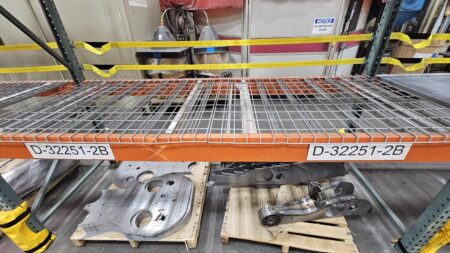
One of the benefits of this transition is resistance to physical damage. Wire mesh is susceptible to punctures and tears from sharp edges, forks, or heavy equipment. In contrast, heavy-duty bar grate is built to endure the harsh conditions of industrial environments, resisting bending and surface breakage that often plague lighter alternatives. This durability ensures that the deck remains functional despite daily impacts and abrasive use.
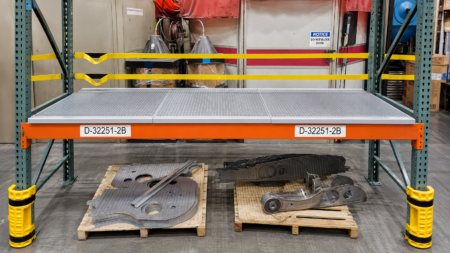
Bar grate also allows for the storage of heavy point loads that would otherwise cause a wire mesh deck to fail. Because point loads concentrate high amounts of weight on a small surface area, they can easily push through the wires of a light-duty deck. The solid construction of bar grate distributes this weight across the steel members, preventing the deck from bowing or collapsing. This capability opens up storage options for tools, dies, or machinery parts that were previously too dense for standard racking surfaces.
Safety remains the most critical advantage of this conversion. A deck failure caused by point loading creates an immediate hazard, risking injury to personnel and severe damage to both the inventory and the rack structure. Bar grate eliminates the risk of sudden “punch-through” accidents, creating a stable and predictable surface for warehouse operators. This added layer of security helps facilities remain compliant with safety standards while protecting valuable assets from falling through the rack.
The shift to bar grate offers long-term economic value through increased longevity. Because these decks withstand mechanical stress without failing, they rarely require the frequent replacements common with worn or damaged wire mesh. Investing in a high-capacity decking system reduces maintenance costs and provides a foundation that supports evolving storage needs for many years.
And we can tell you more about the fact that bar grate decking, unlike solid steel decking, is 50% open and meets Fire Marshal and Insurance codes. Give us a call at 800-763-9020 or email sales@rackandshelf.com. We’d love to discuss your requirements.




